A political debate is growing in California’s 7th Congressional District after Sacramento City Councilmember Mai Vang faced criticism over her decision not to participate in the Pledge of Allegiance during public meetings.
The issue has become a flashpoint in the congressional race ahead of the June 2 ballot, with critics arguing that elected officials should publicly demonstrate support for national symbols and traditions. Supporters of Vang, meanwhile, view her actions as a form of political expression protected under free speech principles.
The controversy reflects broader national debates over patriotism, protest, and the role of symbolic gestures in American politics.
Background
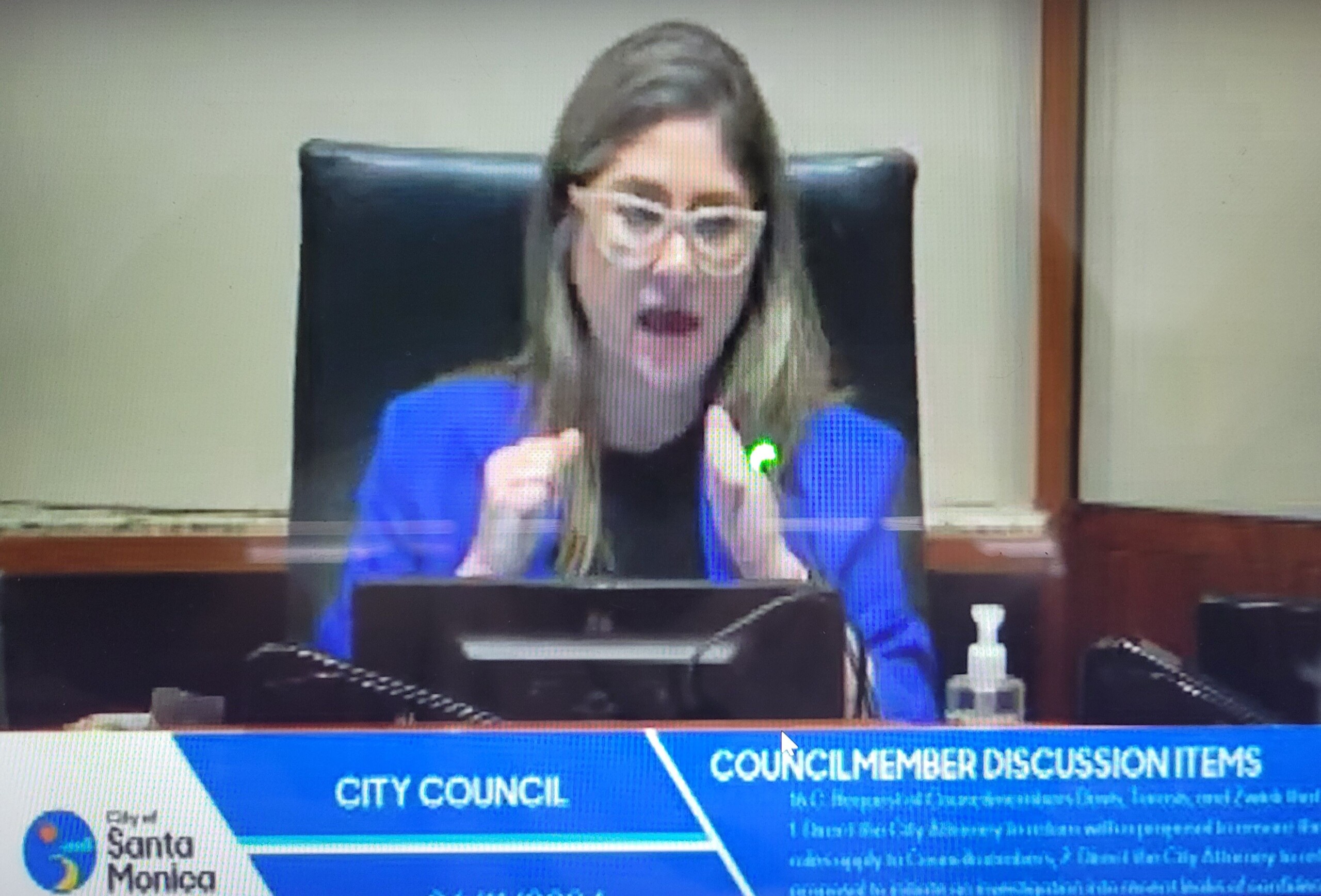
Mai Vang, a member of the Sacramento City Council, has previously declined to face the flag or recite the Pledge of Allegiance during council meetings, including on Veterans Day, according to reports cited by political commentators.
The issue gained renewed attention after a February 2025 Facebook post in which Vang explained her position.
In the post, she wrote that while she loves the United States, she uses the moment during the Pledge to reflect on “injustices and harm” affecting communities locally and internationally.
Her remarks quickly drew criticism from conservative commentators and political opponents, who described the gesture as disrespectful to the country and military service members.
Others defended her actions as an exercise of constitutional rights and political dissent.
Debate
The disagreement surrounding Vang’s actions highlights a long-running discussion in American public life about patriotism and protest.
For many Americans, the Pledge of Allegiance represents national unity, civic responsibility, and respect for democratic institutions. Public officials who participate are often seen as affirming commitment to the country and its founding principles.
Critics of Vang argue that refusing to participate while serving in elected office sends the wrong message to constituents and undermines national traditions.
Supporters, however, note that the United States has a long history of political protest connected to patriotic symbols, including demonstrations during the civil rights movement, anti-war protests, and debates over free expression in schools and sports.
Legal precedent has also consistently protected the right not to recite the Pledge of Allegiance.
Campaign
The controversy arrives as Vang campaigns for California’s 7th Congressional District seat.
Her policy platform includes positions aligned with progressive Democrats on issues such as immigration reform, climate policy, health care expansion, and criminal justice reform.
Among the positions highlighted by critics are support for reducing immigration enforcement powers, expanding public social programs, and backing environmental initiatives associated with the Green New Deal.
Vang has also advocated for reforms in policing policy during her time on the Sacramento City Council, including proposals focused on reallocating portions of public safety funding toward community-based programs.
Supporters describe those positions as part of broader efforts to address inequality and improve social services. Opponents argue the policies are too far left for many voters.
Symbolism
Political analysts note that symbolic issues often become major talking points during election campaigns, particularly when they involve patriotism, military recognition, or national identity.
The Pledge of Allegiance has historically carried strong emotional and cultural significance for many Americans, especially during national holidays such as Memorial Day and Independence Day.
Critics of Vang argue that elected officials should demonstrate visible respect for those traditions regardless of political disagreements.
Others counter that patriotism can also include criticism of government policies and calls for reform, pointing to the First Amendment’s protections for free expression and political dissent.
The debate illustrates how public gestures can become defining political narratives, especially during closely watched elections.
Reaction
Public reaction to the controversy has been sharply divided.
Some voters have expressed frustration with what they view as dismissive attitudes toward national traditions. Others say disagreement with the Pledge should not overshadow broader policy discussions involving housing, inflation, public safety, and federal spending.
Political observers note that cultural debates increasingly play a significant role in congressional campaigns across the country, sometimes drawing as much attention as economic or legislative issues.
The dispute may also reflect wider ideological divisions within the Democratic Party between moderate and progressive factions.
For now, the controversy continues to generate discussion as voters prepare for the upcoming election.
Whether the issue ultimately influences the outcome of the race may depend on how voters balance symbolic concerns with policy priorities in the final days before ballots are cast.
FAQs
Who is Mai Vang?
She is a Sacramento City Council member.
Why is Mai Vang being criticized?
For not participating in the Pledge.
What district is she running in?
California’s 7th Congressional District.
What are her political views?
She supports progressive policy proposals.
When is the election?
The ballot date is June 2.