
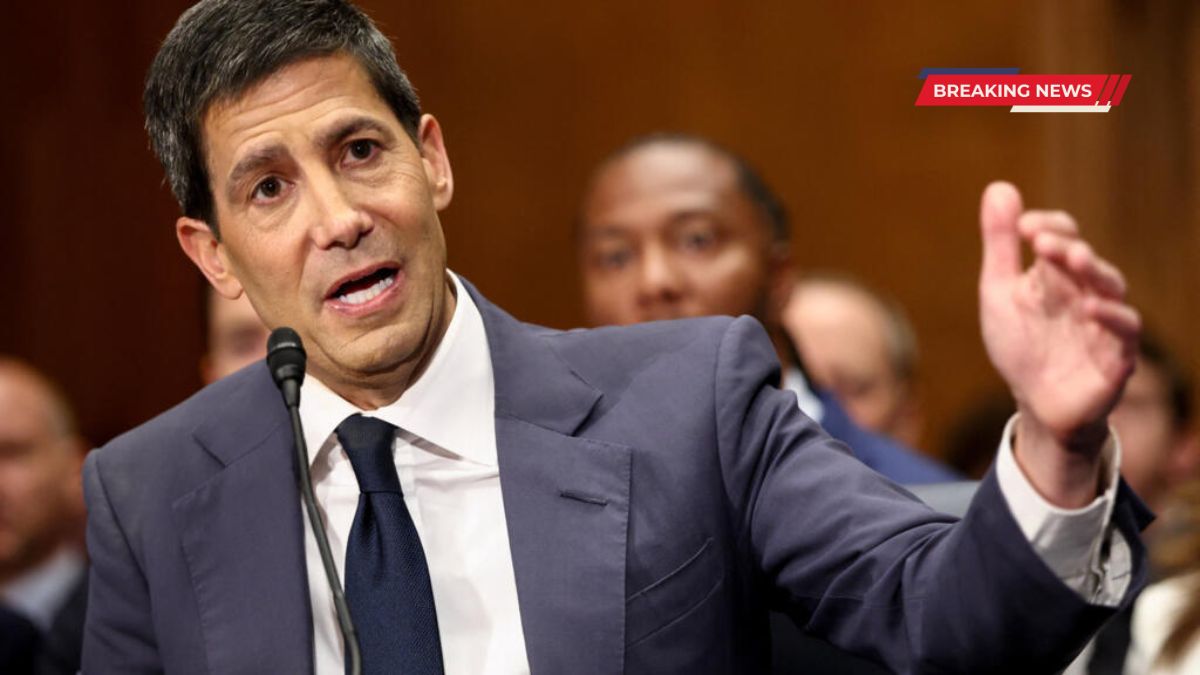
The Senate has confirmed former Federal Reserve Governor Kevin Warsh as the next chair of the U.S. Federal Reserve, placing him in one of the world’s most influential economic leadership roles.
Warsh was confirmed May 13 in a 54-45 Senate vote, officially succeeding Jerome Powell as head of the nation’s central bank. The confirmation comes during a period of economic uncertainty marked by inflation concerns, global instability and ongoing debate about interest rate policy.
Vote
The Senate confirmation largely followed party lines, with Sen. John Fetterman of Pennsylvania becoming the only Democrat to support President Donald Trump’s nominee.
A day earlier, lawmakers also approved Warsh for a new 14-year term on the Federal Reserve Board of Governors.
The confirmation gives Warsh authority to lead the Federal Open Market Committee, the group responsible for setting U.S. interest rates and directing monetary policy.
Senate Confirmation Vote
| Nominee | Position | Vote Result |
|---|---|---|
| Kevin Warsh | Federal Reserve Chair | Confirmed 54-45 |
| Kevin Warsh | Fed Board Term | Confirmed separately |
Background
Warsh, 56, previously served on the Federal Reserve Board from 2006 to 2011, including during the global financial crisis.
Before entering public service, he worked in finance and later became known for his views on monetary policy, inflation and central bank reform.
His return to the Fed comes at a time when policymakers are divided over whether to prioritize inflation control or support for economic growth and employment.
Recent economic pressures, including inflation linked to geopolitical tensions and slower hiring in several industries, have complicated the Fed’s dual mandate of maintaining stable prices and maximum employment.
Independence
Warsh’s confirmation also arrives amid renewed debate over the independence of the Federal Reserve from political influence.
President Trump has repeatedly criticized outgoing Fed Chair Jerome Powell in recent years for not lowering interest rates more aggressively.
During his Senate confirmation hearing in April, Warsh stated that central bank independence remains important but argued that public trust in the institution must be maintained through effective performance.
He said the Federal Reserve “missed its mark” during and after the COVID-19 pandemic, when inflation reached its highest levels in decades.
Warsh also told lawmakers that Trump never asked him to guarantee future rate cuts.
Key Policy Issues Facing the Fed
| Issue | Potential Challenge |
|---|---|
| Inflation | Rising consumer prices |
| Employment | Slower hiring outside key sectors |
| Interest Rates | Debate over timing of cuts |
| Fed Independence | Political pressure concerns |
| Global Risks | Economic impact of conflicts |
Rates
Although Warsh will chair the Federal Open Market Committee, he will hold only one vote among 12 voting members.
Any changes to interest rates will still require majority support from committee members.
Market analysts say Warsh may be somewhat more open to lower rates than many current Fed officials, especially if inflation pressures are viewed as temporary.
Christian Floro, market strategist at Principal Asset Management, said Warsh appears focused on long-term productivity gains linked to artificial intelligence and economic modernization.
Floro noted that Warsh may favor a more flexible approach to inflation management compared with some current policymakers.
At the same time, analysts say any move toward lower rates could draw increased scrutiny because of the administration’s public support for rate cuts.
Powell
Jerome Powell will remain on the Federal Reserve Board for the time being, even after stepping down as chair.
His current board term officially continues through January 2028.
At his final press conference following the Fed’s April meeting, Powell congratulated Warsh and emphasized the importance of a smooth leadership transition.
“There is only ever one chair of the Federal Reserve Board,” Powell said. “When Kevin Warsh is confirmed and sworn in, he will be that chair.”
Powell also stated that he intends to maintain a lower public profile after the leadership change.
Reforms
During his confirmation process, Warsh signaled support for several changes in how the Federal Reserve communicates and manages policy.
He told senators the Fed needs updated tools and a communication strategy less dependent on forward guidance, the practice of signaling future policy intentions to financial markets.
Analysts also expect Warsh to support reducing the Fed’s balance sheet more aggressively than under Powell’s leadership.
A smaller balance sheet could lead to changes in Treasury yields and broader financial market conditions.
Expected Focus Areas Under Warsh
| Area | Possible Direction |
|---|---|
| Interest Rates | More openness to cuts |
| Inflation Policy | Flexible interpretation |
| Fed Communication | Reduced forward guidance |
| Balance Sheet | Potential reductions |
| Market Strategy | Greater emphasis on productivity growth |
Outlook
Investors and economists are now watching closely to see how Warsh approaches inflation, borrowing costs and financial market stability during his four-year term as chair.
While immediate policy changes are not guaranteed, analysts expect his leadership style and communication approach to differ from Powell’s tenure.
The transition also comes during a period when the Federal Reserve faces growing political attention and heightened public focus on inflation, consumer borrowing costs and economic growth.
Warsh is expected to begin leading upcoming Federal Open Market Committee meetings later this year as markets continue monitoring signals about future interest rate decisions.
FAQs
Who is the new Federal Reserve chair?
Kevin Warsh was confirmed as the new Fed chair.
What was the Senate vote count?
The Senate confirmed Warsh in a 54-45 vote.
Who did Kevin Warsh replace?

He replaced Jerome Powell as Fed chair.
Will Jerome Powell leave the Fed Board?
No, Powell remains a Fed governor for now.
What policies may change under Warsh?
Rates, Fed communication and balance sheet policy.






Ariana Grande Plans Break From Public Spotlight After Tour Amid Ongoing Scrutiny