
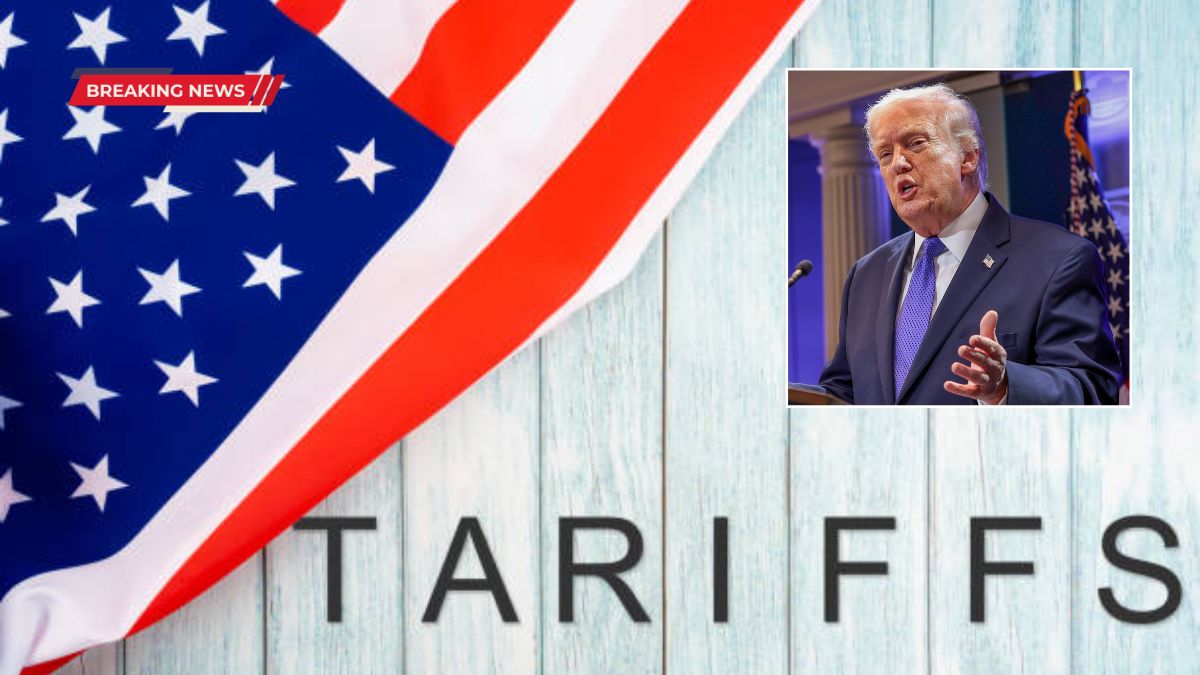
A federal appeals court on Tuesday temporarily paused a lower court ruling that declared President Donald Trump’s global 10% tariffs unlawful, allowing the trade measures to remain in effect while litigation continues.
The decision came from the U.S. Court of Appeals for the Federal Circuit, which issued an administrative stay of last week’s ruling from the Court of International Trade.
The appeals court did not rule on whether the tariffs are ultimately legal, but the move gives judges additional time to review arguments from both sides before deciding whether the lower court order should remain blocked during the appeal process.
Decision
In its unsigned order, the Federal Circuit said the temporary stay is intended to preserve the status quo while the legal dispute moves forward.
An administrative stay is typically considered a short-term procedural step rather than a final judgment on the underlying case.
The court emphasized that it has not yet taken a position on the merits of the Trump administration’s appeal.
Court Actions
| Court | Action Taken |
|---|---|
| Court of International Trade | Ruled tariffs unlawful |
| Federal Circuit Court of Appeals | Temporarily paused ruling |
| Current Status | Tariffs remain in place |
Tariffs
The dispute centers on Trump’s global 10% tariffs, which were imposed after the Supreme Court previously blocked an earlier set of tariffs introduced during his administration.
The tariffs apply broadly to imported goods and have remained part of the administration’s wider trade strategy aimed at addressing trade imbalances and protecting domestic industries.
Supporters of the tariffs argue they help strengthen American manufacturing and create leverage in international trade negotiations.
Critics, however, contend the measures increase costs for businesses and consumers while exceeding presidential authority under federal trade laws.
Ruling
Last week, the New York-based Court of International Trade ruled that Trump’s latest tariffs were unlawful.
The court found that the administration exceeded its authority when implementing the broad import duties following the Supreme Court’s earlier intervention.
That ruling threatened to immediately halt enforcement of the tariffs unless a higher court stepped in.
Tuesday’s appeals court order temporarily blocks that outcome while the case proceeds.
Timeline of the Dispute
| Event | Outcome |
|---|---|
| Initial Trump tariffs challenged | Supreme Court blocked earlier version |
| New 10% tariffs imposed | Legal challenge filed |
| Trade court ruling | Tariffs declared unlawful |
| Appeals court action | Temporary stay granted |
Legal Process
The Federal Circuit Court of Appeals will now consider whether to issue a longer-term stay that would keep the tariffs active throughout the appeal.
Judges are expected to weigh several factors, including:
- Potential economic consequences
- Government authority under trade laws
- Harm to businesses and importers
- Broader public interest concerns
Legal experts say the dispute could eventually return to the Supreme Court depending on how the appeals process unfolds.
Trade policy cases involving presidential authority often become complex because they involve both economic policy and constitutional questions regarding executive power.
Administration
The Trump administration welcomed the temporary stay, which allows the tariffs to remain operational while legal arguments continue.
The administration had previously secured a similar stay from the same appeals court during earlier litigation involving Trump’s first round of tariffs.
Officials argue the tariffs are necessary to protect U.S. economic interests and respond to what they describe as unfair international trade practices.
The administration has also maintained that presidents possess broad authority to act during economic or national emergencies involving trade.
Impact
The legal uncertainty surrounding the tariffs continues to affect importers, manufacturers, and financial markets.
Businesses that rely on imported goods have argued that sudden changes in tariff policy can disrupt supply chains, pricing strategies, and long-term contracts.
At the same time, some domestic industries have supported the tariffs, saying they help shield American producers from foreign competition.
Economists remain divided over the broader impact of tariffs on inflation, consumer prices, and manufacturing growth.
Outlook
The appeals court’s temporary pause does not settle the broader legal fight over Trump’s trade authority.
For now, the 10% global tariffs remain in effect while the Federal Circuit reviews the case and considers whether a more lasting stay should be granted during the appeals process.
The case is expected to remain closely watched because its outcome could shape future presidential authority over trade policy and tariff powers.
FAQs
What did the appeals court decide?
It temporarily paused the lower court’s tariff ruling.
Do Trump’s tariffs remain active?
Yes, the 10% tariffs currently remain in effect.
Which court ruled the tariffs unlawful?

The Court of International Trade issued the ruling.
Did the appeals court rule on legality?
No, it has not decided the merits of the case.
Could the case reach the Supreme Court?
Yes, legal experts say that remains possible.













Ariana Grande Plans Break From Public Spotlight After Tour Amid Ongoing Scrutiny