
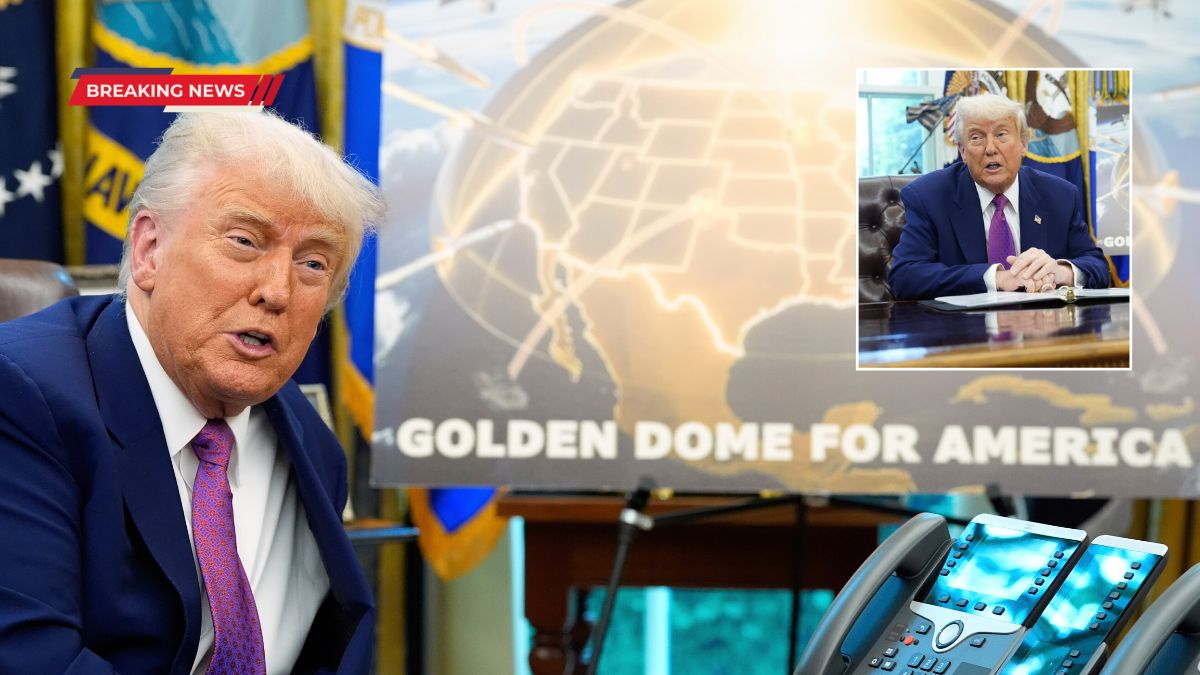
President Donald Trump’s proposed “Golden Dome for America” missile defense system could cost an estimated $1.2 trillion over the next two decades, according to a new analysis released Tuesday by the Congressional Budget Office.
The estimate is significantly higher than the roughly $175 billion figure Trump referenced last year when promoting the ambitious defense initiative.
The proposed system would combine space-based and ground-based technologies designed to detect and intercept incoming missiles during different phases of an attack.
Estimate
The Congressional Budget Office described its report as an illustrative analysis rather than a direct estimate of a finalized administration proposal.
According to the CBO, limited details from the Defense Department regarding the number and type of systems planned made it difficult to determine precise long-term costs.
Still, the report estimated that developing and maintaining the missile shield over 20 years could total approximately $1.2 trillion.
Cost Comparison
| Estimate Source | Projected Cost |
|---|---|
| Trump’s 2025 estimate | $175 billion |
| CBO long-term estimate | $1.2 trillion |
| Previous CBO estimate for space-based systems only | Up to $542 billion |
Project
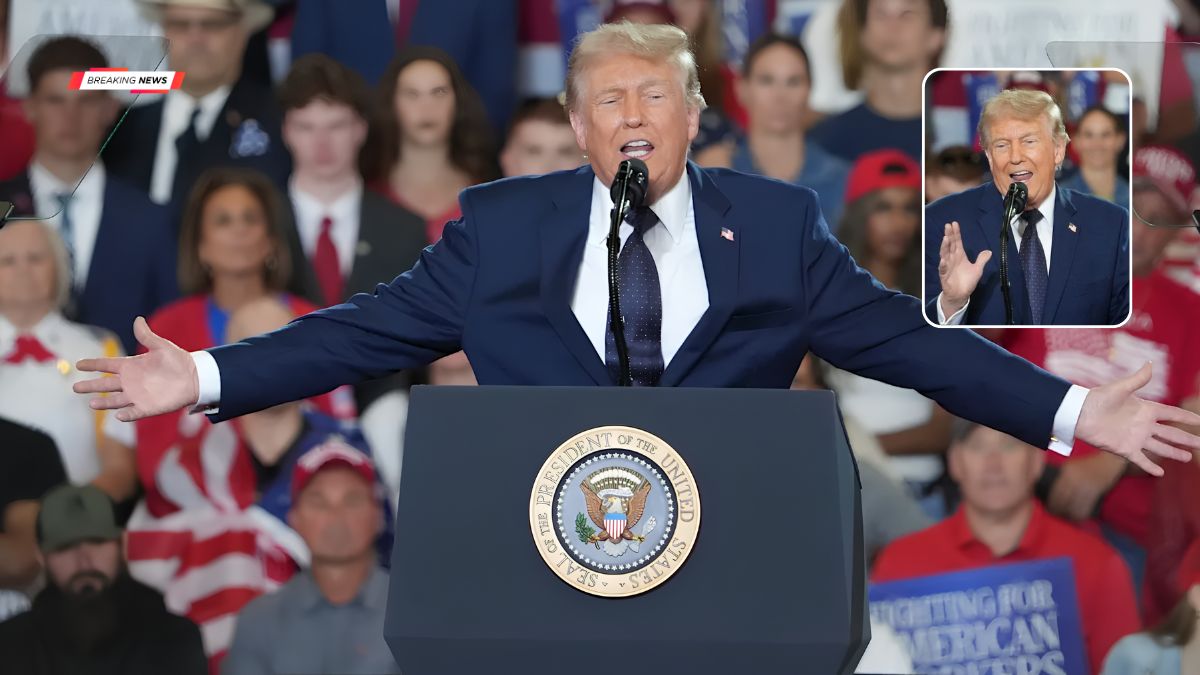
Trump first announced the Golden Dome initiative through an executive order during his first week back in office.
At the time, he said he wanted the system to become fully operational before the end of his current term in January 2029.
The administration has argued that advances in missile technology from rival nations require the United States to modernize and expand its defensive capabilities.
“Over the past 40 years, rather than lessening, the threat from next-generation strategic weapons has become more intense and complex,” Trump said when introducing the initiative.
The system is intended to defend against threats from peer and near-peer adversaries using advanced missiles and delivery systems.
Technology
The Golden Dome concept is partly inspired by Israel’s missile defense network, commonly associated with the “Iron Dome” system.
However, the proposed American version would operate on a far larger scale and include extensive space-based infrastructure.
According to defense officials, the envisioned system could include:
- Satellite detection networks
- Space-based interceptors
- Ground missile defense systems
- Advanced tracking and command technologies
The goal would be to detect and stop missile launches during multiple stages of flight, including launch, midcourse travel, and final approach.
Proposed Golden Dome Components
| Capability | Purpose |
|---|---|
| Space-based sensors | Detect launches globally |
| Interceptors | Destroy incoming missiles |
| Ground systems | Additional defense coverage |
| Tracking networks | Coordinate responses |
Funding
Congress has already approved approximately $24 billion for the initiative through a large tax and spending package passed by Republicans and signed into law last summer.
The funding represents an early phase of development and planning rather than the full construction cost projected by the CBO.
Supporters argue the investment is necessary to address increasingly sophisticated threats from countries such as China, Russia, North Korea, and Iran.
Critics, however, question whether the program is technologically realistic and financially sustainable.
Pentagon
Gen. Michael A. Guetlein, who oversees the Golden Dome project, defended the initiative during testimony before lawmakers last month.
He argued that outside estimates may overstate costs by relying on outdated defense models and assumptions.
“We are laser focused on affordability,” the U.S. Space Force general told Congress.
Guetlein said the project intends to use newer technologies and integrated systems rather than simply expanding older missile defense programs.
Still, defense analysts note that large-scale military technology programs often experience rising costs and delays over time.
Debate
The report immediately reignited political debate over defense spending priorities.
Sen. Jeff Merkley of Oregon, who requested the CBO analysis, criticized the proposal after the report’s release.
Merkley described the initiative as “nothing more than a massive giveaway to defense contractors paid for entirely by working Americans.”
Supporters of the project argue the cost must be weighed against the potentially catastrophic consequences of a missile attack on the United States.
Opponents contend that the enormous financial commitment could divert resources away from domestic priorities and existing military needs.
Challenges
Building a comprehensive missile defense shield capable of intercepting advanced weapons presents major technological and operational challenges.
Experts have long debated whether large-scale missile defense systems can reliably defend against modern threats, especially attacks involving:
- Hypersonic weapons
- Multiple warheads
- Drone swarms
- Decoys and electronic countermeasures
The CBO noted that uncertainty surrounding system design and deployment plans remains one reason long-term costs are difficult to estimate accurately.
Outlook
The Golden Dome proposal remains in the early planning stages, and the administration has not yet released a full public blueprint detailing how the system would operate.
As Congress continues reviewing defense spending and military modernization priorities, the program is expected to face intense scrutiny over both its strategic value and projected cost.
The debate could shape future discussions about the balance between national defense investments, technological ambition, and federal spending levels.
FAQs
What is the Golden Dome project?
It is a proposed US missile defense shield system.
How much could the system cost?
The CBO estimated up to $1.2 trillion over 20 years.
What inspired the Golden Dome concept?

It was partly inspired by Israel’s Iron Dome system.
How much funding has Congress approved?
Congress has approved about $24 billion so far.
Why are critics concerned about the project?
They cite high costs and defense contractor benefits.












Ariana Grande Plans Break From Public Spotlight After Tour Amid Ongoing Scrutiny