
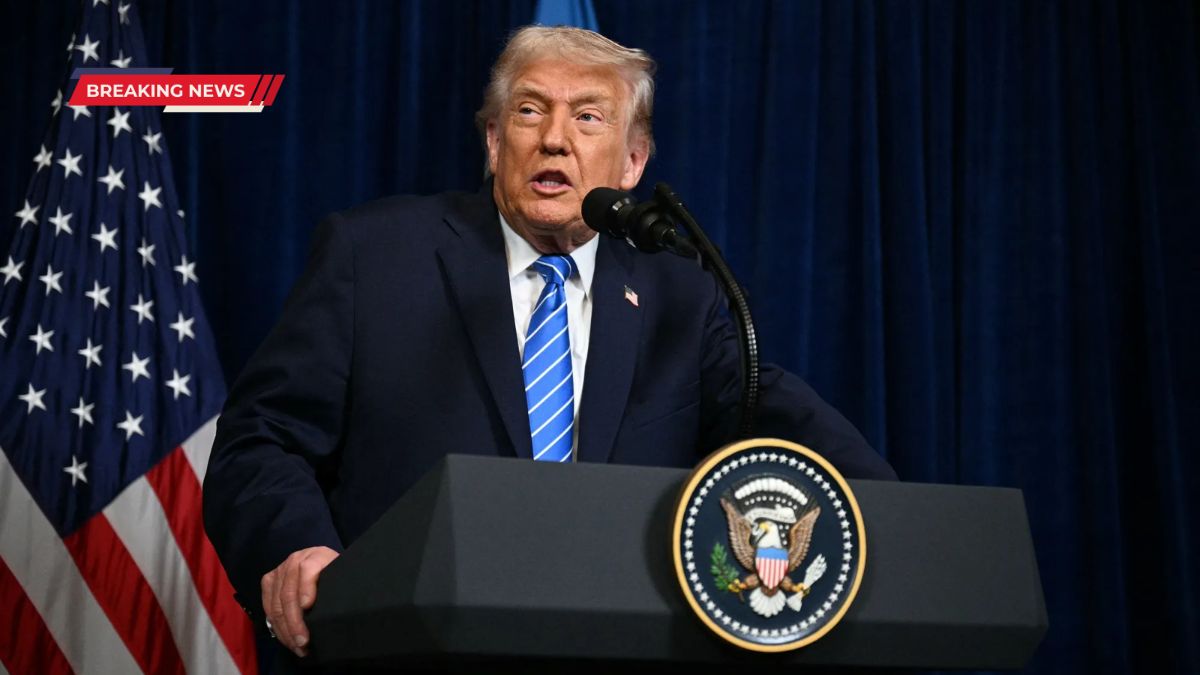
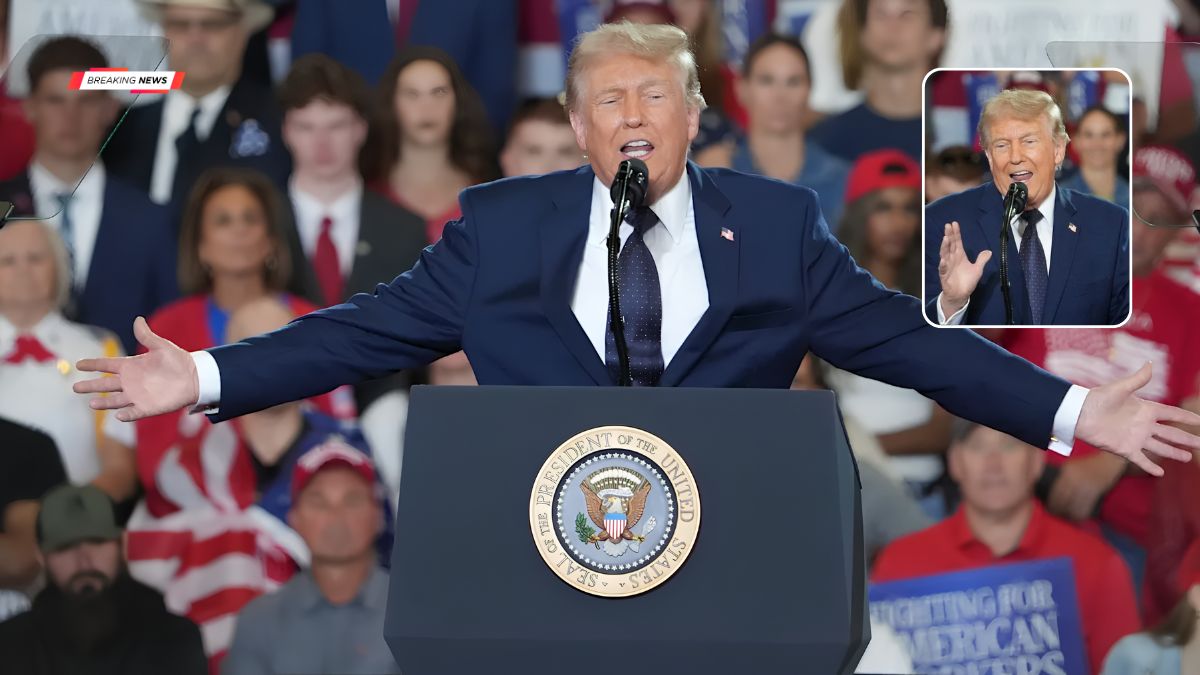
Claims that President Donald Trump is seriously considering making Venezuela part of the United States have drawn attention online, but there is no official evidence that such a plan exists or is being pursued by the U.S. government.
Recent reports and social media discussions referenced comments allegedly tied to Trump about Venezuela’s oil reserves and the possibility of the country becoming a “51st state.” However, no formal proposal, executive action, or congressional effort has been announced regarding annexing Venezuela.
The discussion appears tied to broader political rhetoric surrounding U.S.-Venezuela relations and the country’s large oil reserves.
Venezuela
Venezuela holds some of the world’s largest proven oil reserves, making the country strategically important in global energy markets.
For years, U.S. officials and energy companies have closely monitored developments in Venezuela’s oil industry, particularly as production levels fluctuated under economic sanctions, political instability, and infrastructure challenges.
While U.S. companies have shown interest in Venezuelan energy production in the past, there has been no verified announcement that the United States plans to take control of Venezuela or incorporate it as a U.S. state.
Claims
The recent attention followed online reports claiming Trump was exploring statehood for Venezuela because of its oil wealth.
Some of those claims referenced social media posts and commentary suggesting the idea of Venezuela becoming “State No. 51.”
However, no official White House policy proposal or federal legislation supporting annexation has been introduced.
Legal experts note that adding a foreign country as a U.S. state would require significant constitutional, diplomatic, and international legal processes, including approval from Congress and consent from the country involved.
Oil
Venezuela’s oil industry has remained a major focus of international attention for decades.
Major U.S. energy companies previously operated extensively in Venezuela before industry nationalization policies under former President Hugo Chávez reshaped the sector.
In recent years, discussions involving Venezuela and the United States have largely centered on sanctions, oil exports, diplomatic negotiations, and economic recovery efforts.
Energy analysts often point to Venezuela’s vast reserves as a potentially important factor in future global oil supply discussions.
Politics
Trump has previously made headlines for comments involving foreign territories and geopolitical expansion ideas, including remarks about Greenland, Canada, and the Panama Canal.
Many of those statements generated political debate and international responses but did not result in formal annexation efforts.
Officials in Venezuela have also rejected any suggestion of becoming part of the United States.
Venezuelan leaders have consistently emphasized national sovereignty and independence in response to outside political pressure or speculation.
Reality
At this stage, there is no confirmed U.S. government plan to annex Venezuela or make it an American state.
Most discussions surrounding the idea remain tied to political commentary, online speculation, and reactions to public statements rather than formal policy action.
Analysts say U.S.-Venezuela relations are more likely to continue focusing on diplomacy, sanctions, migration, and energy policy rather than territorial expansion.
FAQs
Is Venezuela becoming a U.S. state?
There is no official plan for Venezuela statehood.
Why is Venezuela important to the U.S.?
The country has major global oil reserves.
Did Trump officially propose annexing Venezuela?

No formal proposal has been announced.
Would Congress need to approve statehood?
Yes, congressional approval would be required.
How did Venezuela respond to the idea?
Officials rejected suggestions of U.S. statehood.


Ariana Grande Plans Break From Public Spotlight After Tour Amid Ongoing Scrutiny