The father of an autistic man who was fatally shot by police in Irvine, Orange County, California, has publicly shared his grief, saying he wishes his son had never called 911 because “he just needed help.” The emotional statement follows a deadly police encounter that began as a reported mental health crisis and has since become the focus of an active investigation and broader public discussion.
Authorities have stated that officers encountered a man who was allegedly armed with a knife before the shooting occurred. Meanwhile, the victim’s family disputes the necessity of deadly force, arguing that the encounter reflects the challenges of police responses to individuals experiencing mental health crises and developmental disabilities. The case continues to draw attention from community members, disability advocates, and law enforcement officials.
Mental Health Crisis Ended in Fatal Police Encounter
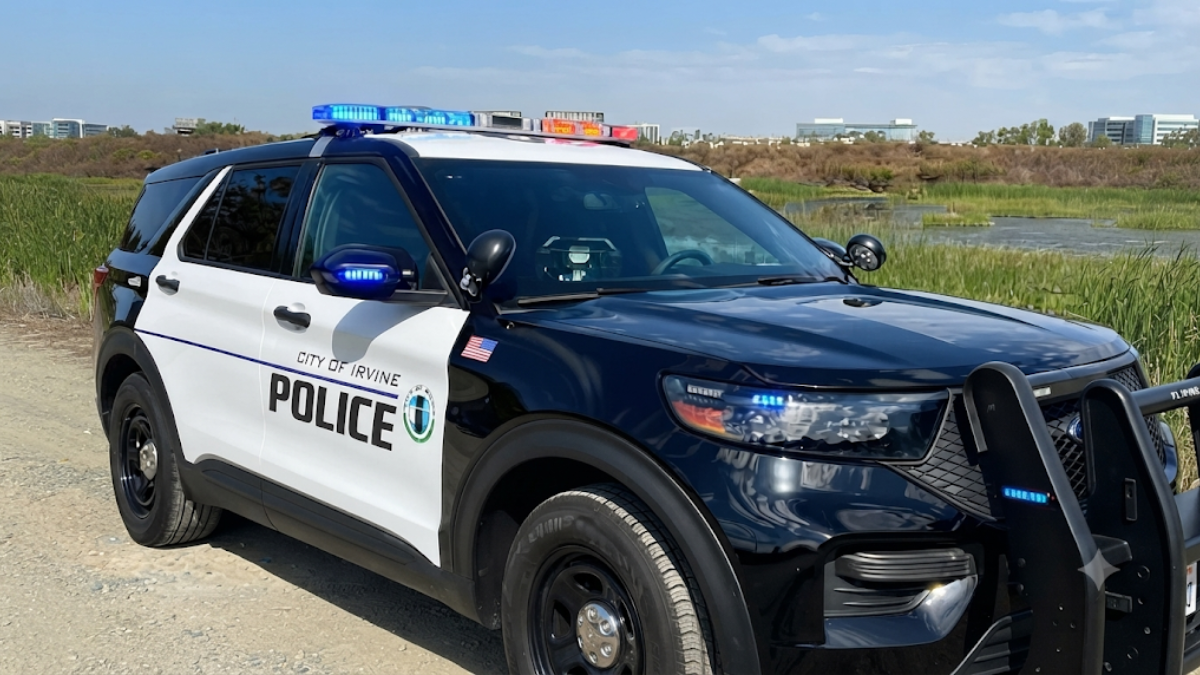
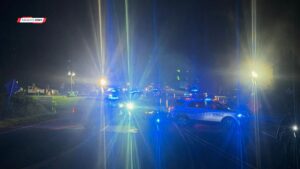
According to the Irvine Police Department, officers responded to a 911 call involving a man experiencing what was described as a mental health crisis in Irvine, Orange County, California. After officers arrived at the scene, they encountered the individual, and the situation escalated into a confrontation that ultimately resulted in an officer-involved shooting.
Police said the man was armed with a knife during the encounter and that officers used deadly force after assessing the situation. Emergency medical personnel responded immediately, but the man later died from his injuries. Authorities have released only limited information while investigators continue reviewing the circumstances surrounding the incident.
Father Shares Grief Following Son’s Death
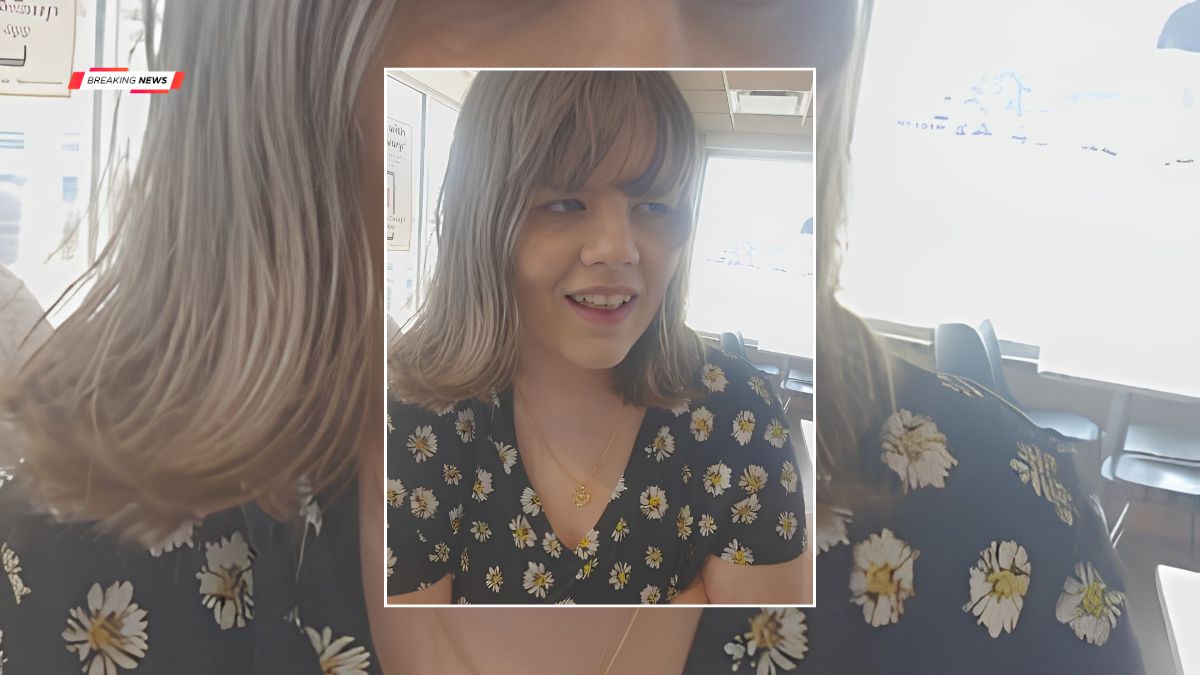
Following the shooting, the victim’s father, a filmmaker, spoke publicly about the tragedy, expressing regret that his son had contacted emergency services during his crisis. He said his son, who was autistic, needed medical and emotional support rather than a law enforcement response that ended in deadly force.
The father’s comments have resonated with many families and advocacy organizations that work with individuals living with autism and mental health conditions. They argue that crisis situations involving developmental disabilities often require specialized intervention, emphasizing communication, patience, and de-escalation whenever circumstances safely permit.
Investigation Reviews Officers’ Actions
The officer-involved shooting remains under active investigation as authorities review all available evidence. Detectives are examining body-worn camera recordings, dispatch communications, witness interviews, forensic evidence, and any surveillance footage that may document the events leading up to the shooting.
Investigators will also evaluate whether the officers’ actions complied with department policies governing the use of force. As is standard in officer-involved shootings, the inquiry includes both criminal and administrative reviews before officials determine whether departmental procedures were followed throughout the encounter.
Incident Renews Discussion About Crisis Response
The fatal shooting has renewed statewide discussions regarding police responses to mental health emergencies and encounters involving people with autism or other developmental disabilities. Mental health professionals and advocacy groups continue encouraging expanded crisis intervention training and increased collaboration between law enforcement agencies and behavioral health specialists.
While officials caution against reaching conclusions before the investigation is complete, the case has highlighted continuing questions about emergency response systems, the availability of mental health resources, and the challenges officers face during unpredictable crisis situations. The investigation is expected to remain under close public scrutiny as additional information becomes available.
| Case Overview | Details |
|---|---|
| Incident | Fatal officer-involved shooting |
| Location | Irvine, Orange County, California |
| Initial Response | 911 call involving a reported mental health crisis |
| Police Statement | Officers reported the man was armed with a knife |
| Family Statement | Father said his autistic son needed help, not deadly force |
| Evidence Under Review | Body camera footage, witness interviews, forensic evidence, dispatch recordings |
| Current Status | Investigation ongoing |
The death of an autistic man during a police response in Irvine, Orange County, California, continues to generate widespread attention as investigators examine the events leading to the fatal officer-involved shooting. The victim’s father’s emotional statement has intensified conversations about how emergency responders handle calls involving individuals experiencing mental health crises and developmental disabilities.
As authorities continue reviewing body camera footage, forensic evidence, and witness accounts, the investigation will seek to determine whether officers acted in accordance with applicable laws and department policies. Regardless of the legal outcome, the incident has become part of a broader discussion about improving crisis response strategies, expanding mental health resources, and strengthening communication between law enforcement and vulnerable members of the community.
FAQ’s:
Where did the fatal police shooting occur?
The incident occurred in Irvine, Orange County, California.
Why were officers called to the scene?
According to authorities, officers responded to a 911 call involving a reported mental health crisis.
What has the victim’s father said?
The father said his autistic son needed help rather than a law enforcement response, adding that he wishes his son had never called the police.
What evidence are investigators reviewing?
Authorities are examining body-worn camera footage, witness statements, dispatch recordings, surveillance video, and forensic evidence as part of the ongoing investigation.
Is the investigation complete?
No. The investigation remains active while officials continue evaluating the evidence and reviewing the officers’ actions under applicable laws and department policies.