

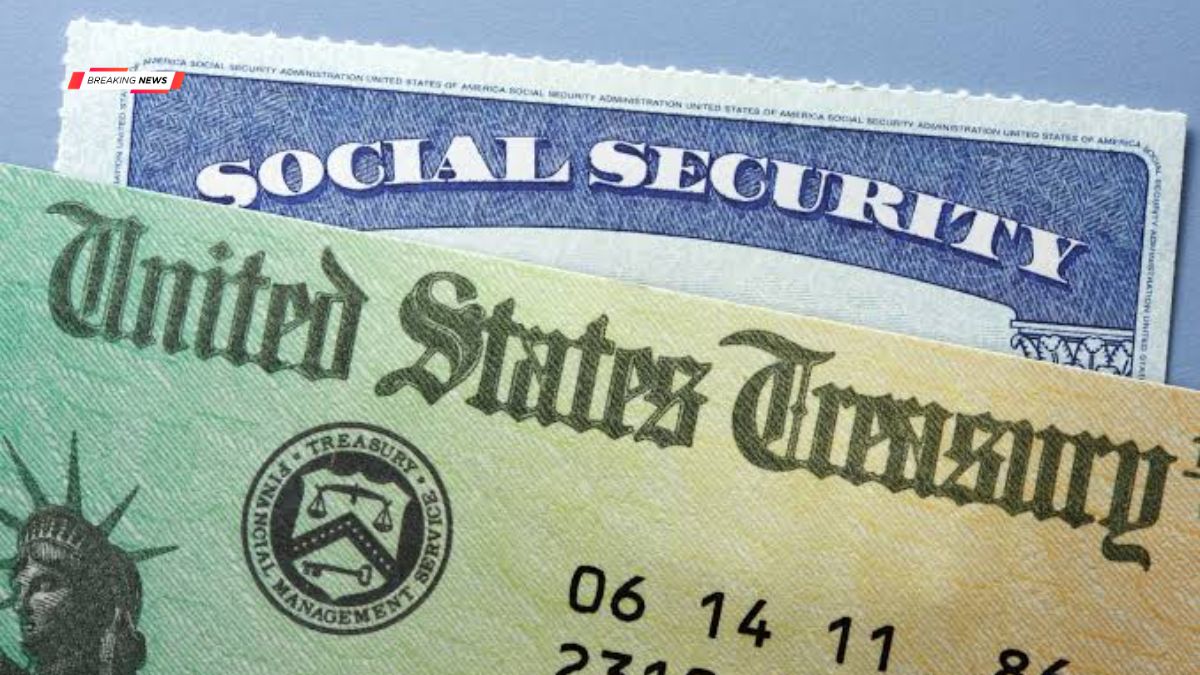
A newly introduced bill in Congress could change how Supplemental Security Income (SSI) benefits are calculated for hundreds of thousands of Americans. If approved, the legislation would allow many SSI recipients to receive help from family members and friends without seeing their monthly benefits reduced.
The proposal focuses on a long-standing Social Security rule that counts certain non-cash assistance, such as free housing or meals, when determining SSI benefit amounts. Supporters say changing the rule would make the program simpler and allow beneficiaries to rely on their communities without risking lower payments.
SSI
Supplemental Security Income, commonly known as SSI, is a federal program administered by the Social Security Administration.
The program provides monthly financial assistance to people with limited income and resources who are age 65 or older, blind, or have a qualifying disability.
SSI benefits help recipients pay for essential living expenses, including food, clothing, and shelter.
Bill
The proposed legislation is called the SSI Savings and Efficiency Act of 2026.
It was introduced on April 15 by Representatives Sharice Davids of Kansas and Mary Gay Scanlon of Pennsylvania.
The bill aims to update one of the program’s longstanding eligibility and benefit calculation rules involving non-cash assistance.
Changes
Under current SSI rules, receiving “in-kind support and maintenance,” such as free housing, rent assistance, or meals from family members or friends, may reduce a person’s monthly SSI benefit.
The proposed bill would eliminate that reduction, allowing beneficiaries to accept this type of assistance without affecting their SSI payments.
Supporters argue that the change would simplify the program and reduce financial pressure on low-income seniors and people with disabilities.
Benefits
If enacted, the legislation could help SSI recipients keep more of their monthly benefits while continuing to receive support from relatives, caregivers, or community members.
For many households living on limited incomes, assistance with housing or meals can make a significant difference in managing everyday expenses.
The bill’s supporters also say the proposal would strengthen community support networks rather than discourage them.
Impact
According to the Center on Budget and Policy Priorities, approximately 7.4 million people received SSI benefits in January 2026, including about 1 million children.
If the legislation becomes law, it could affect not only current beneficiaries but also family members and friends who want to provide assistance without unintentionally reducing someone’s benefits.
The proposal could particularly benefit older adults who depend on informal caregiving or shared housing arrangements.
Outlook
The legislation has received support from several advocacy organizations, including the American Network of Community Options and Resources, the National Down Syndrome Congress, Autism Speaks, and Justice in Aging.
The bill has been introduced in Congress and may now move through the committee process.
Its future remains uncertain, as lawmakers continue broader discussions about the long-term financial outlook for Social Security programs.
Overview
| Topic | Details |
|---|---|
| Bill | SSI Savings and Efficiency Act of 2026 |
| Introduced | April 15 |
| Sponsors | Rep. Sharice Davids and Rep. Mary Gay Scanlon |
| Main change | Ends benefit reductions for certain non-cash support |
| Affected program | Supplemental Security Income (SSI) |
| Potential beneficiaries | Approximately 7.4 million SSI recipients |
The SSI Savings and Efficiency Act of 2026 proposes a significant change to how Supplemental Security Income benefits are calculated. By removing reductions tied to certain forms of non-cash assistance, the legislation aims to make it easier for seniors and people with disabilities to accept help from family, friends, and caregivers. Although the bill has received support from several advocacy organizations, it must still move through the legislative process before any changes to SSI benefits take effect.
FAQs
What is the SSI Savings and Efficiency Act of 2026?
It is a bill that proposes changes to certain SSI benefit rules.
What rule would the bill change?
It would end benefit reductions for certain non-cash assistance.
Who qualifies for SSI?

People with limited income who are 65+, blind, or have a qualifying disability.
How many people receive SSI benefits?
About 7.4 million people received SSI in January 2026.
Has the bill become law?
No. It has been introduced but has not yet been enacted.














Ariana Grande Plans Break From Public Spotlight After Tour Amid Ongoing Scrutiny