
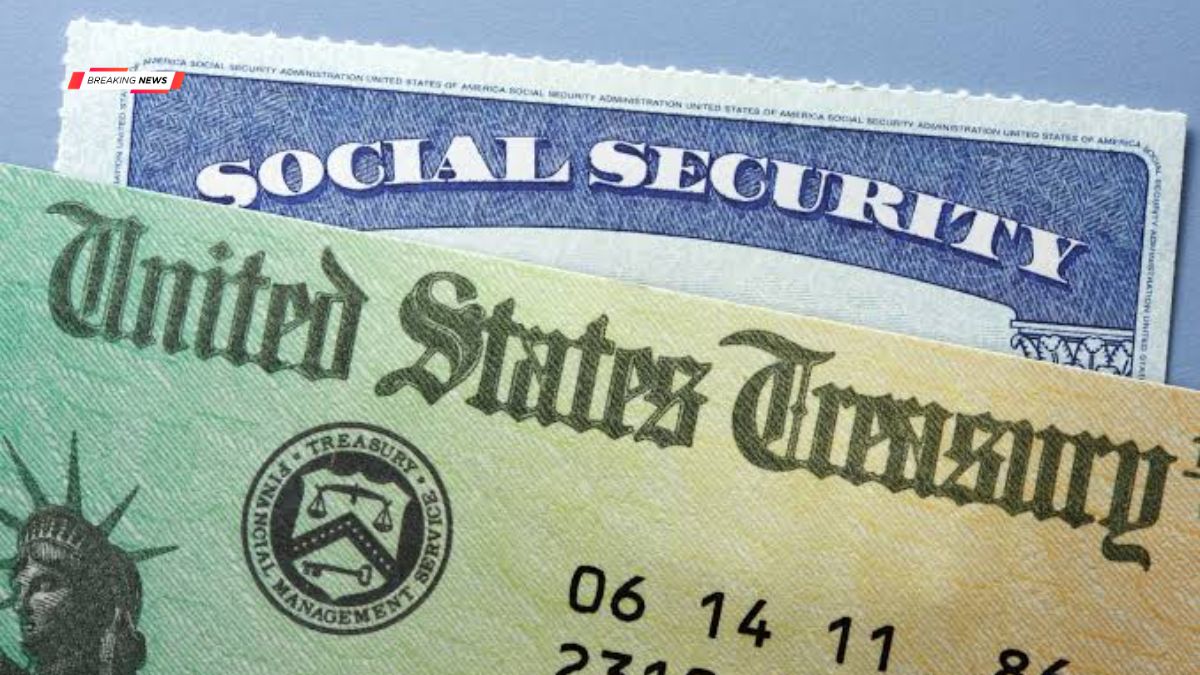
Opening your mailbox and finding a Social Security overpayment notice can be stressful. The letter may state that you were paid more benefits than you were entitled to receive and request repayment within a certain timeframe. While this can be alarming, receiving an overpayment notice does not automatically mean you must immediately repay the full amount.
The Social Security Administration (SSA) has established procedures that allow beneficiaries to review the decision, ask questions, appeal the determination, or request a waiver in certain situations. Acting promptly and understanding your options can make the process more manageable.
Notice
The first step is to read every page of the overpayment notice carefully.
The letter explains why the SSA believes an overpayment occurred, the amount involved, and the deadlines for responding. It also outlines the actions you can take if you disagree with the determination or need additional assistance.
Understanding the reason for the overpayment is essential before deciding how to respond.
Review
Compare the information in the notice with your own records.
Review benefit statements, earnings records, tax documents, pay stubs, and any previous correspondence you have received from the SSA. These documents can help determine whether the overpayment resulted from changes in income, benefit adjustments, or another reason.
Creating a timeline of important events may also help clarify when the issue began.
Accuracy
Not every overpayment notice is free from errors, so it is important to verify the information.
Changes in employment, retirement benefits, disability payments, or reported income can affect benefit calculations. If you notice incorrect dates, earnings, or other information, gather documents that support your position before contacting the SSA.
Having organized records can make conversations with SSA representatives more productive.
Options
The SSA offers several options for people who receive an overpayment notice.
If you believe the overpayment determination is incorrect, you may file an appeal asking the agency to review its decision.
If you agree that an overpayment occurred but believe it was not your fault and repayment would cause financial hardship or otherwise be unfair under SSA rules, you may request a waiver.
Each option has specific requirements and deadlines, so following the instructions provided in the notice is important.
Contact
Contact the Social Security Administration as soon as possible after receiving the notice.
Speaking with an SSA representative can help answer questions about the overpayment, explain available options, and clarify important deadlines.
Before calling or visiting an SSA office, prepare a list of questions and keep notes during the conversation for future reference.
Repayment
If the SSA confirms that the overpayment amount is correct, repayment does not always have to occur in a single payment.
In many cases, the agency may allow repayment arrangements based on its policies and the individual’s circumstances. Discussing available repayment options directly with the SSA can help determine the most appropriate solution.
Maintaining communication with the agency is generally more effective than ignoring the notice.
Prevention
After resolving the issue, keeping your records up to date can help reduce the likelihood of future overpayments.
Report changes in income, employment, marital status, or other circumstances that could affect your benefits as soon as possible. Regularly reviewing SSA correspondence and benefit statements can also help identify potential issues early.
Staying informed about your benefits can make future communication with the SSA much easier.
Overview
| Step | Action |
|---|---|
| Read the notice | Review every page carefully |
| Compare records | Check benefits, income, and documents |
| Verify accuracy | Look for errors or missing information |
| Review options | Consider an appeal or waiver if eligible |
| Contact SSA | Ask questions before deadlines pass |
| Discuss repayment | Explore available repayment arrangements |
Receiving a Social Security overpayment notice can be unsettling, but it does not mean you are without options. Carefully reviewing the notice, verifying the information, gathering supporting documents, and contacting the SSA promptly can help you understand your rights and responsibilities.
Whether the outcome involves correcting an error, filing an appeal, requesting a waiver, or arranging repayment, responding promptly and following official SSA procedures can help resolve the matter more effectively.
FAQs
What is a Social Security overpayment?
It occurs when the SSA pays more benefits than you were eligible to receive.
Can I appeal an overpayment notice?
Yes. You may appeal if you believe the decision is incorrect.
What is a waiver request?

A waiver asks the SSA to forgive repayment under certain conditions.
Do I have to repay the full amount immediately?
Not always. The SSA may offer repayment arrangements in some cases.
What should I do first after receiving the notice?
Read the notice carefully and review your records before contacting the SSA.














Ariana Grande Plans Break From Public Spotlight After Tour Amid Ongoing Scrutiny