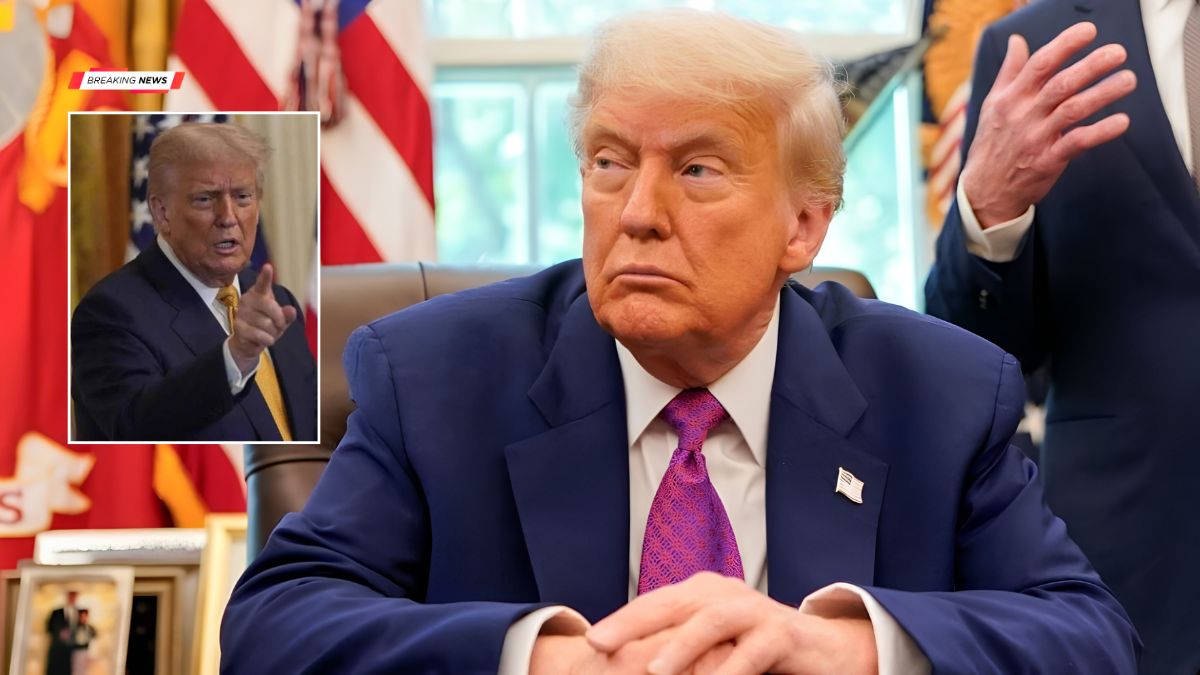
The U.S. government has refunded approximately $100 billion in tariff revenue to businesses after the Supreme Court ruled that President Donald Trump’s “Liberation Day” tariffs were unconstitutional. According to customs officials, the refunds represent about 60 percent of the roughly $165 billion collected under the program.
While businesses are receiving the repayments, consumers who may have paid higher prices because of the tariffs are not expected to receive direct refunds.
Ruling
The refunds stem from a February 2026 Supreme Court decision that struck down the administration’s use of the International Emergency Economic Powers Act (IEEPA) to impose broad global tariffs.
In a 6-3 ruling, the Court determined that while the law allows the executive branch to regulate commerce during emergencies, it does not authorize the imposition of taxes or tariffs, a power assigned to Congress under the U.S. Constitution.
The decision required the U.S. Treasury Department and U.S. Customs and Border Protection (CBP) to begin returning the collected tariff revenue.
| Refund Overview | Details |
|---|---|
| Total Tariffs Collected | Approximately $165 billion |
| Refunded So Far | Approximately $100 billion |
| Percentage Refunded | About 60% |
| Refund Recipients | U.S. importers and businesses |
Recipients
The refunds are being issued to the Importers of Record, which are the companies that originally paid the duties to Customs and Border Protection.
Thousands of businesses, including major companies such as Costco and FedEx, filed legal claims seeking reimbursement after the tariffs were invalidated.
Consumers who paid higher prices on imported goods as a result of the tariffs are not eligible for direct refunds under the current process.
Treasury
Treasury Secretary Scott Bessent previously said he did not expect American households to receive any of the refunded money.
Speaking in February 2026, Bessent described the repayments as benefiting businesses rather than consumers. He also suggested at the time that the refund process could take months or even years, although repayments have progressed more quickly than initially expected.
Impact
Economists have noted that tariff costs are often passed on to consumers through higher retail prices.
According to estimates cited in the report, U.S. households absorbed more than $231 billion in tariff-related costs between February 2025 and January 2026, averaging approximately $1,745 per family.
Analysts have also suggested that businesses receiving refunds are not necessarily expected to lower prices after receiving the repayments.
Outlook
The refund process remains ongoing, with approximately 40 percent of the disputed tariff revenue still to be returned.
Judge Richard Eaton of the U.S. Court of International Trade has emphasized the importance of completing the repayments promptly, noting that unpaid balances continue to accumulate interest.
Meanwhile, the administration has continued collecting tariffs under other legal authorities, including Section 122 of the Trade Act of 1974, as well as Sections 232 and 301.
Officials will continue processing the remaining refunds over the coming months. Based on the current legal framework, the repayments are expected to continue going to importers rather than individual consumers.
FAQs
How much tariff money has been refunded?
About $100 billion has been refunded so far.
Who is receiving the refunds?
Refunds are being paid to U.S. importers and businesses.
Will consumers receive direct refunds?

Current rules do not provide refunds to consumers.
Why were the tariffs refunded?
The Supreme Court ruled the tariffs were unconstitutional.
Are tariff collections continuing?
Yes, under other federal trade authorities.