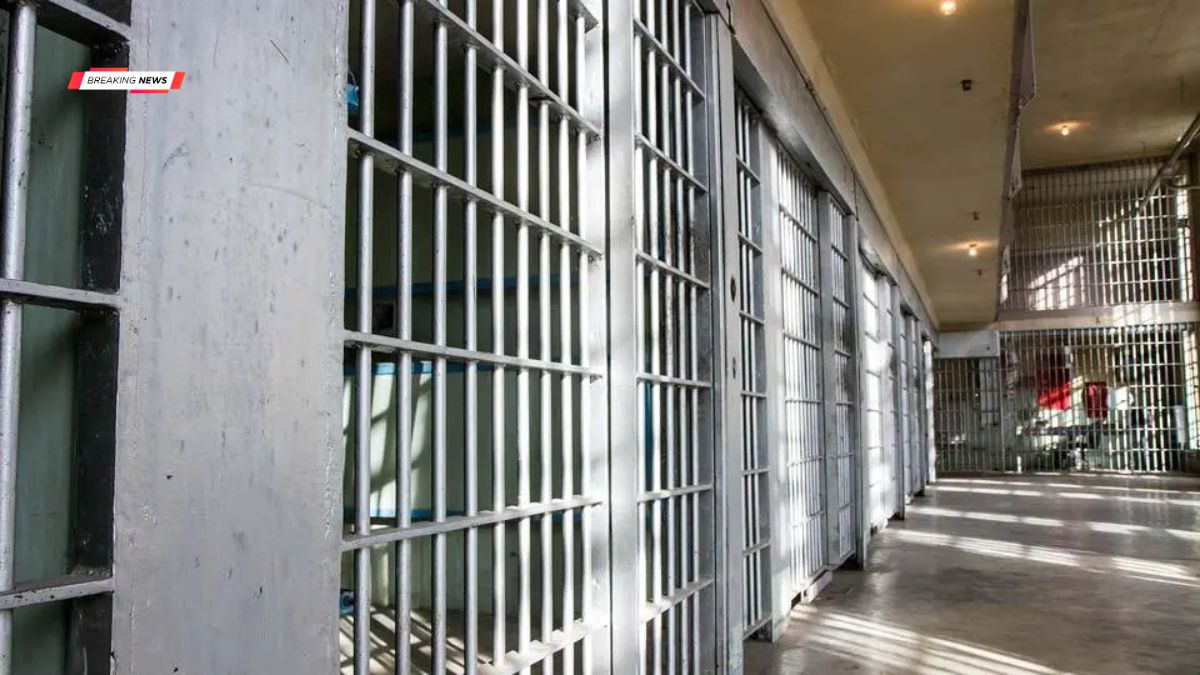
California’s use of jailhouse sting operations, commonly known as Perkins operations, has come under renewed scrutiny following a report examining how investigators increasingly rely on the tactic to gather evidence in serious criminal cases. The investigative method involves placing an undercover officer or confidential informant inside a jail cell with a suspect in hopes of encouraging conversations that may reveal incriminating information. The report describes the approach as a form of “psychological war,” highlighting both its effectiveness for investigators and the legal and ethical questions it continues to raise.
The practice has been used by law enforcement agencies across California, particularly in investigations involving homicide and other violent crimes. While prosecutors argue that these operations can produce valuable evidence when conducted lawfully, defense attorneys and civil liberties advocates contend that the technique risks coercing vulnerable suspects and may blur constitutional boundaries surrounding the right to legal counsel and protection against self-incrimination.
How Jailhouse Sting Operations Work
A Perkins operation typically begins after a suspect has been arrested and placed in custody. Investigators arrange for an undercover officer or, in some cases, a cooperating inmate to share a housing unit or jail cell with the suspect. During casual conversations, the undercover operative attempts to build trust and encourage the suspect to discuss the alleged offense voluntarily without revealing their true identity.
Unlike formal police interrogations, these conversations often occur in a setting that appears informal and private. Investigators hope suspects may make admissions or provide information that can later be introduced as evidence in court. Law enforcement agencies maintain that the strategy is carefully planned and conducted within constitutional limits, particularly after a suspect has waived applicable legal protections or where the conversations comply with established legal standards.
Legal and Ethical Debate Surrounding the Practice
The report notes that critics have raised concerns over whether some jailhouse sting operations place psychological pressure on suspects, particularly those experiencing mental health challenges, intellectual disabilities, or emotional distress while in custody. Defense lawyers argue that undercover conversations can sometimes resemble indirect interrogations, potentially raising constitutional issues depending on the stage of the criminal proceedings and whether a suspect has already obtained legal representation.
Prosecutors and investigators, however, argue that courts have repeatedly recognized the legality of properly conducted undercover operations in many circumstances. They maintain that suspects are not compelled to speak and that admissions made voluntarily can provide critical evidence in cases involving homicide, organized crime, or other serious offenses. Whether statements obtained through these operations are admissible ultimately depends on judicial review and the specific facts of each case.
Calls for Greater Oversight and Transparency
The report has prompted renewed discussion among lawmakers, legal scholars, and criminal justice advocates regarding whether additional oversight should govern the use of Perkins operations in California. Some experts have called for stronger documentation requirements, mandatory recording of undercover encounters when feasible, clearer departmental policies, and greater disclosure of investigative methods during criminal proceedings.
Supporters of reform argue that increased transparency could strengthen public confidence while protecting constitutional rights. At the same time, law enforcement agencies caution that revealing too many operational details could reduce the effectiveness of undercover investigations and compromise future criminal cases. The discussion reflects the broader challenge of balancing effective investigative tools with safeguards designed to protect the rights of individuals within the criminal justice system.
| Investigation Overview | Details |
|---|---|
| Topic | California jailhouse sting (Perkins) operations |
| Location | California, USA |
| Investigative Technique | Undercover officers or informants placed with jailed suspects |
| Primary Purpose | Obtain voluntary statements during criminal investigations |
| Common Case Types | Homicide and other serious felony investigations |
| Supporters’ Position | Valuable investigative tool when used lawfully |
| Critics’ Concerns | Psychological pressure, constitutional rights, transparency |
| Key Legal Issues | Right to counsel, self-incrimination, admissibility of statements |
| Current Debate | Oversight, accountability, and investigative practices |
| Status | Ongoing public and legal discussion over the use of the tactic |
California’s increasing reliance on Perkins jailhouse sting operations has intensified debate over one of law enforcement’s most controversial investigative techniques. While supporters argue the method helps solve serious crimes by obtaining valuable evidence, critics question whether certain operations place excessive psychological pressure on suspects or create constitutional concerns that deserve greater judicial scrutiny.
As discussions continue among courts, lawmakers, prosecutors, and defense attorneys, the future of jailhouse sting operations will likely depend on finding an appropriate balance between effective criminal investigations and the protection of individual rights. The report has added fresh attention to a long-running legal debate that remains central to California’s criminal justice system.
FAQ’s:
What is a jailhouse sting or Perkins operation?
A Perkins operation is an investigative tactic in which an undercover officer or cooperating individual is placed with a jailed suspect to encourage voluntary conversations that may produce evidence.
Where are these operations being discussed?
The report focuses on the use of Perkins operations across California.
Why are the tactics controversial?

Critics argue they may place psychological pressure on suspects and raise concerns involving constitutional rights, while supporters say they are lawful investigative tools when conducted properly.
Are Perkins operations legal?
Courts have allowed the use of undercover operations in many circumstances, but the legality of evidence obtained depends on the specific facts of each case and judicial review.
What changes are being proposed?
Some legal experts and advocacy groups have called for greater oversight, stronger documentation, increased transparency, and clearer operational guidelines governing the use of jailhouse sting operations in California.