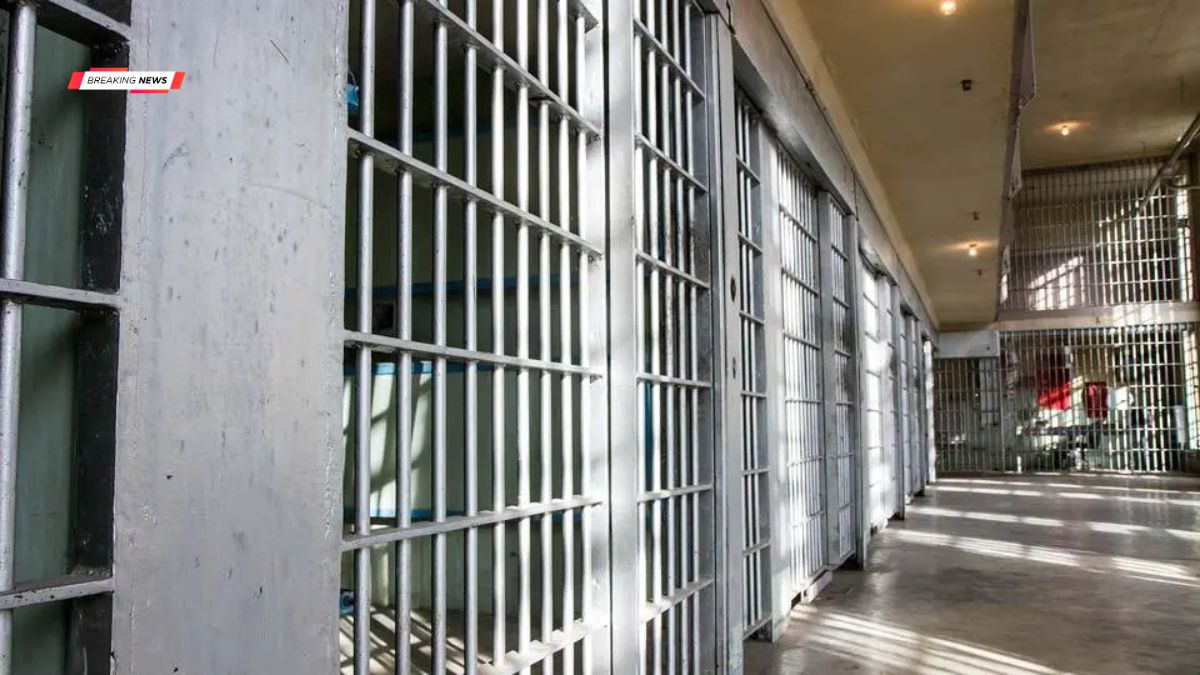

Law enforcement agencies across California are increasingly relying on jailhouse sting operations as an investigative tool, prompting debate among prosecutors, defense attorneys, and legal experts. Often described as a form of “psychological war,” these operations typically involve placing undercover officers or confidential informants near suspects in custody to gather statements that may later be used as evidence in criminal prosecutions.
Supporters argue that jailhouse stings help investigators solve difficult cases by obtaining valuable admissions and uncovering critical information. Critics, however, question whether these tactics risk violating constitutional protections or encouraging unreliable statements. As their use expands, the practice has become the focus of growing legal and ethical discussion throughout California’s criminal justice system.
How Jailhouse Sting Operations Are Conducted
Jailhouse sting operations generally involve investigators placing an undercover operative or confidential informant in close proximity to a suspect who is already in custody. Rather than conducting a formal police interview, the undercover individual engages the suspect in ordinary conversation in hopes of obtaining voluntary statements about the alleged offense. Investigators may monitor and record these conversations, depending on applicable legal authority and court approvals.
Law enforcement agencies contend that these operations can provide valuable investigative leads, particularly in cases where suspects have declined to speak with detectives after being advised of their constitutional rights. Authorities argue that conversations initiated voluntarily by suspects may reveal motives, timelines, or other information that assists investigators in corroborating evidence gathered through traditional investigative methods.
Legal Challenges and Constitutional Concerns
Defense attorneys and civil liberties advocates have raised concerns about the expanding use of jailhouse stings, arguing that certain operations may blur the line between legitimate investigation and improper interrogation. Legal disputes often focus on constitutional protections, including the right to legal counsel and safeguards against compelled self-incrimination. Courts carefully examine the circumstances under which statements were obtained before determining whether they are admissible as evidence.
California courts have addressed jailhouse sting practices in numerous criminal cases, evaluating factors such as whether undercover officers deliberately elicited incriminating statements after formal criminal proceedings had begun. Judges may exclude evidence if they determine constitutional protections were violated. As a result, prosecutors and investigators must ensure that investigative techniques comply with established legal standards while preserving the integrity of criminal prosecutions.
Debate Continues Over Effectiveness and Fairness
Supporters of jailhouse sting operations argue that they have helped solve complex homicide, gang, and organized crime investigations where traditional questioning produced limited results. Prosecutors maintain that carefully planned undercover operations can generate important evidence, corroborate existing investigative findings, and assist in securing convictions when supported by additional physical and forensic evidence.
Critics, however, caution that psychological pressure, isolation, or conversations with undercover operatives could produce inaccurate or misleading statements in certain circumstances. Legal scholars emphasize that any admissions obtained during sting operations should be evaluated alongside independent evidence rather than viewed in isolation. The continuing debate highlights the challenge of balancing effective law enforcement techniques with the protection of constitutional rights.
| Overview | Details |
|---|---|
| Investigative Technique | Jailhouse sting operations |
| Location | California |
| Purpose | Gather voluntary statements from suspects in custody |
| Supporters’ View | Useful investigative tool in complex criminal cases |
| Critics’ View | Raises constitutional and ethical concerns |
| Current Status | Increasing use and ongoing legal debate |
California’s expanding use of jailhouse sting operations has become a significant topic within the state’s criminal justice system. Supporters view the tactic as a valuable investigative method capable of generating critical evidence in challenging cases, while critics argue that the practice requires careful judicial oversight to protect constitutional rights and ensure fairness throughout criminal proceedings.
As courts continue reviewing cases involving undercover jailhouse operations, future legal decisions may further define the limits of these investigative techniques. The ongoing discussion underscores the importance of balancing effective law enforcement with the legal protections guaranteed to every individual involved in the criminal justice process.
FAQ’s:
What is a jailhouse sting operation?
A jailhouse sting is an investigative technique in which an undercover operative or confidential informant interacts with a suspect in custody to obtain voluntary statements that may assist a criminal investigation.
Why are California investigators using these operations?
Law enforcement agencies say the technique can help gather information in complex investigations when traditional interviews have produced limited results.
Why are jailhouse stings controversial?

Critics argue that the practice may raise constitutional concerns involving the right to counsel and protections against self-incrimination, depending on how the operation is conducted.
Can statements obtained during a jailhouse sting be used in court?
Potentially. Courts evaluate whether the statements were obtained lawfully and whether constitutional protections were respected before determining admissibility.
Are jailhouse stings used only in California?
No. Undercover investigative techniques have been used in various jurisdictions, although legal standards and judicial rulings governing their use vary by state and by the specific facts of each case.