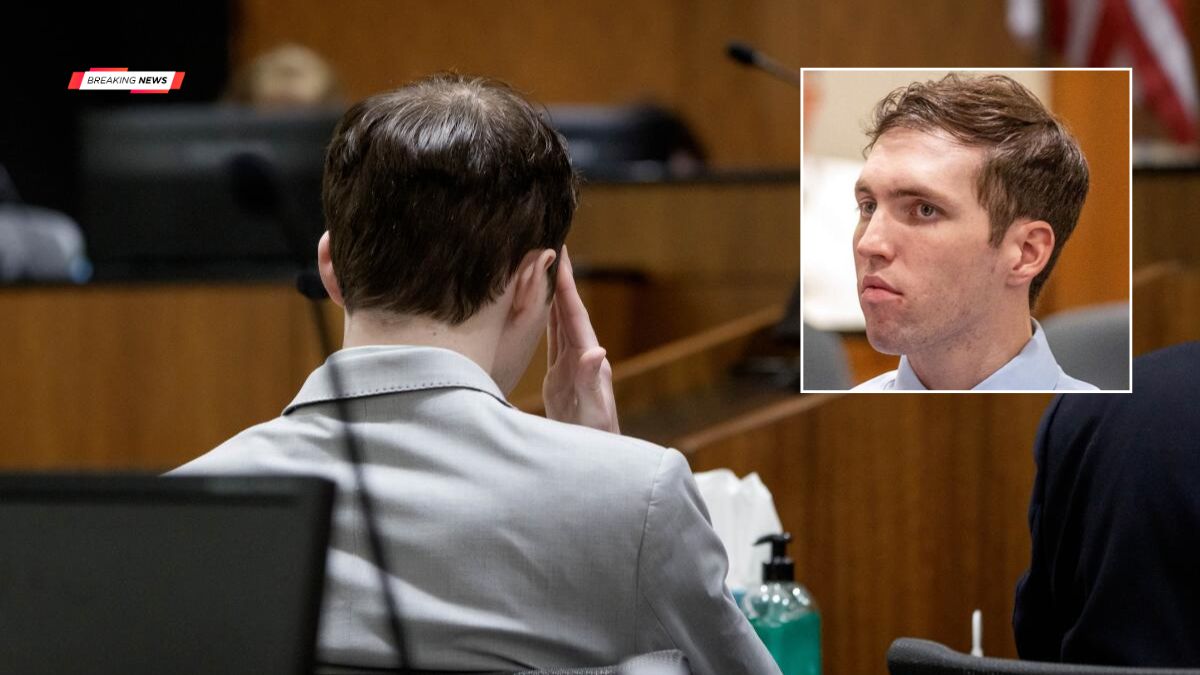
A California man has pleaded guilty to charges connected to a fake ransom note case involving Nancy Guthrie, bringing a legal conclusion to an unusual investigation that authorities say involved fabricated claims of kidnapping and extortion. The case centered around a fraudulent ransom demand that falsely suggested a serious abduction scenario, prompting law enforcement to launch a detailed investigation before determining that the threat was not legitimate.
Officials confirmed that the accused admitted responsibility in court, acknowledging his role in creating or facilitating the false ransom communication. The guilty plea marks a key development in a case that drew attention due to its emotional impact, investigative complexity, and the potential misuse of fear-based extortion tactics.
Authorities emphasized that even false reports of kidnapping or ransom demands are treated as serious criminal matters because they can divert emergency resources, create public panic, and cause emotional distress to families and communities.
How the Fake Ransom Note Investigation Began
The investigation began after a ransom note referencing Nancy Guthrie was reported to authorities, suggesting that an individual had been abducted and that payment or compliance with demands was required for their safe return. Law enforcement agencies responded immediately, treating the situation as a potential kidnapping case.
Detectives began by analyzing the origin of the communication, examining digital traces, handwriting (if applicable), phone records, and any related electronic activity. Because ransom-related crimes are often associated with urgent threats to human life, multiple agencies may have been involved in the initial response, including local police investigators and specialized forensic units.
As the investigation progressed, inconsistencies in the ransom message began to emerge. Investigators determined that the note did not align with credible kidnapping patterns and showed signs of fabrication. This prompted authorities to shift the focus from a kidnapping investigation to a potential criminal hoax or extortion-related offense.
Discovery of the Fabricated Claims
Law enforcement officials eventually concluded that the ransom note was not connected to an actual abduction, but instead was a fabricated document designed to mislead authorities or create fear. Investigators traced the communication back to the accused individual, who was later charged in connection with the false report.
Digital forensic analysis played a significant role in identifying the source of the message. Investigators reviewed electronic devices, messaging platforms, and metadata associated with the ransom communication. Evidence reportedly linked the creation or dissemination of the false note directly to the accused, leading to formal charges.
Authorities noted that false kidnapping reports require significant investigative resources, including surveillance review, witness interviews, and coordination with multiple agencies. Even after determining that the ransom claim was fake, officials continued their investigation to ensure accountability for the misuse of emergency response systems.
Guilty Plea and Court Proceedings
During court proceedings, the California man entered a guilty plea, acknowledging responsibility for his involvement in the creation or transmission of the fake ransom note. The plea helped resolve the case without a full trial, allowing prosecutors to move toward sentencing or other legal resolutions under California law.
Legal experts note that guilty pleas in such cases often reflect negotiations between defense attorneys and prosecutors, where defendants accept responsibility in exchange for reduced charges or sentencing considerations. However, penalties can still be significant depending on the severity of the offense and its impact on public resources.
The court emphasized that false reports of violent crimes such as kidnapping are treated seriously because they can lead to unnecessary deployment of law enforcement personnel, emotional distress for victims and families, and potential obstruction of real emergency response efforts.
Impact on Investigation Resources and Public Safety
Officials highlighted that cases involving fake ransom notes can have wide-ranging consequences beyond the immediate legal violations. Law enforcement agencies often must dedicate substantial manpower and time to investigate claims of kidnapping, especially when there is an apparent threat to human life.
In this case, investigators reportedly followed standard procedures for ransom-related allegations, including evidence collection, suspect tracking, and coordination across departments. Once the case was determined to be fraudulent, those resources were redirected, but not before significant effort had already been expended.
Authorities reiterated the importance of accountability in such cases, noting that false reports can delay responses to genuine emergencies and create unnecessary public alarm. The case also serves as a reminder of how modern communication tools can be misused to fabricate criminal scenarios.
Case Summary
| Category | Details |
|---|---|
| Incident Type | Fake ransom note / false kidnapping report |
| Location | California, United States |
| Accused | California man (name not publicly detailed in summary) |
| Victim Mentioned | Nancy Guthrie (referenced in ransom note) |
| Charge Outcome | Guilty plea entered |
| Key Issue | Fabricated ransom/extortion-style communication |
| Investigation Agencies | Local law enforcement and forensic investigators |
| Evidence Used | Digital forensics, electronic communications, metadata analysis |
| Impact | Wasted investigative resources and public concern |
| Current Status | Case resolved through guilty plea |
The guilty plea in the fake Nancy Guthrie ransom note case brings closure to a situation that initially prompted serious law enforcement concern and a full-scale kidnapping investigation in California. What began as an urgent response to a reported ransom demand ultimately proved to be a fabricated scenario, leading authorities to pursue charges against the individual responsible for the false communication.
Officials stressed that even non-violent hoaxes carry serious consequences because they divert critical resources and can cause emotional distress and public panic. With the defendant’s admission of guilt, the case now moves toward sentencing, underscoring the legal consequences of misusing emergency systems and falsely reporting severe criminal activity.
Frequently Asked Questions:
Where did this case take place?
The case occurred in California, United States.
What was the accusation in the case?
The accused was linked to a fake ransom note involving Nancy Guthrie, which falsely suggested a kidnapping had taken place.
Was there an actual kidnapping?

No. Investigators determined that the ransom note was fabricated and not connected to any real abduction.
What was the legal outcome?
The California man pleaded guilty to charges related to the creation or dissemination of the false ransom communication.
Why is this type of crime taken seriously?
False ransom or kidnapping reports are treated seriously because they waste law enforcement resources, create public panic, and can interfere with responses to real emergencies.