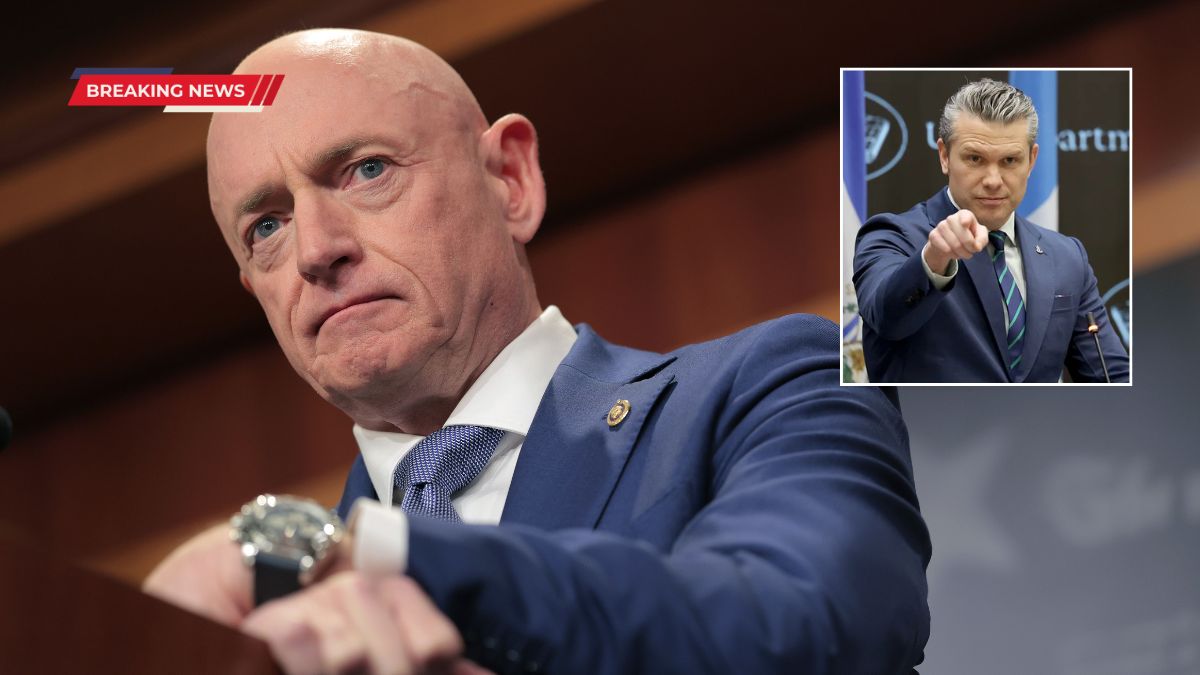
Defense Secretary Pete Hegseth and Sen. Mark Kelly are once again engaged in a public dispute, this time over comments involving U.S. weapons stockpiles and whether the information discussed was classified.
The disagreement began after Kelly appeared on CBS’s “Face the Nation” and discussed concerns about the strain recent military operations have placed on American missile and defense inventories.
Hegseth later accused the Arizona senator of publicly sharing classified information. Kelly responded by pointing to previous public testimony from Hegseth in which similar concerns had already been discussed during a Senate hearing.
The exchange has renewed debate over military transparency, congressional oversight, and the condition of U.S. defense stockpiles following continued military activity tied to the Iran conflict.
Interview
During his television appearance, Kelly discussed the use of several key missile systems and interceptor programs, including Tomahawk missiles, ATACMS, SM-3 interceptors, THAAD systems, and Patriot missile rounds.
Kelly stated that the United States had used a significant amount of these munitions and warned that rebuilding inventories could take years.
“It’s been pretty detailed on Tomahawks, ATACMS, SM-3, THAAD rounds, Patriot rounds,” Kelly said during the interview. “The numbers are shocking how deep we have gone into these magazines.”
He also questioned whether the administration had clearly explained its long-term strategic objectives related to the conflict.
The comments reflected growing bipartisan concerns in Washington regarding military readiness and defense manufacturing capacity.
Reaction
Following the interview, Hegseth criticized Kelly on social media and suggested the senator may have improperly discussed classified information obtained during Pentagon briefings.
“‘Captain’ Mark Kelly strikes again,” Hegseth wrote on X. “Now he’s blabbing on TV about a ‘CLASSIFIED’ Pentagon briefing he received.”
The defense secretary added that Pentagon legal counsel would review the matter.
The post quickly attracted attention online, particularly because Kelly serves on both the Senate Armed Services Committee and the Senate Intelligence Committee, where lawmakers routinely receive national security briefings and discuss military readiness.
Response
Kelly responded by posting video from an April 30 Senate Armed Services Committee hearing in which Hegseth himself acknowledged that replenishing some U.S. weapons stockpiles could take “months and years.”
Kelly argued that his comments during the CBS interview referenced information already available through public congressional testimony.
“We had this conversation in a public hearing a week ago,” Kelly wrote. “That’s not classified, it’s a quote from you.”
The exchange shifted attention toward the distinction between classified operational details and broader public discussions about defense readiness and production timelines.
Oversight
Members of Congress frequently raise questions about military preparedness during public hearings and interviews. Senators serving on defense and intelligence committees are also expected to monitor Pentagon strategy, procurement, and readiness levels.
Several defense analysts noted that while operational specifics may remain classified, broad concerns about inventory levels and production challenges have already been widely reported.
Reports over the past year have described increasing pressure on U.S. missile inventories following military support operations and combat activity connected to the Iran conflict.
The issue has become part of a larger conversation about whether current weapons production rates are sufficient to support extended military engagements while maintaining readiness for additional global crises.
Stockpiles
Concerns about missile reserves are not new.
CNN previously reported that officials inside the Pentagon had expressed concern about the depletion of several categories of precision-guided munitions. According to the report, some officials warned that reduced inventories could create “near-term risk” if another major conflict emerged unexpectedly.
A separate analysis by the Center for Strategic and International Studies estimated that the United States had used nearly half of certain key interceptor stockpiles, including THAAD and Patriot systems.
The report suggested that replenishment efforts could require substantial time due to manufacturing limits and supply chain constraints.
Below is a summary of systems mentioned during the discussion:
| Weapon System | Primary Purpose | Reported Concern |
|---|---|---|
| Tomahawk | Long-range strike missile | Inventory depletion |
| ATACMS | Tactical missile system | Replacement timeline |
| THAAD | Missile defense interceptor | Reduced stockpile |
| Patriot | Air defense system | Increased operational use |
| SM-3 | Ballistic missile interceptor | Supply strain |
Defense experts have noted that rebuilding these systems often involves long production cycles and complex manufacturing requirements.
Criticism
Some analysts criticized Hegseth’s response, arguing that Kelly’s comments reflected concerns already discussed publicly.
Michael Rubin, a former Pentagon official and senior fellow at the American Enterprise Institute, told The Hill that Kelly avoided discussing sensitive operational details and instead focused on broader readiness concerns.
“Let’s put aside that the general thrust of munition depletion is not classified,” Rubin said. “Kelly did not go near the details.”
Rubin added that the broader issue involving weapons stockpiles deserved more attention than the political dispute itself.
The disagreement also continued a pattern of public clashes between Hegseth and Kelly over military and constitutional issues.
Earlier
Earlier this year, Hegseth pursued administrative action related to a November video in which Kelly and several Democratic lawmakers encouraged military personnel to reject unlawful orders.
The Pentagon reportedly considered actions that included reducing Kelly’s retired military rank and issuing a formal letter of censure.
However, a lower court blocked those efforts, describing them as unconstitutional retaliation. A federal appeals court later appeared skeptical of attempts to revive the penalties.
The latest disagreement has added to broader scrutiny over how political disputes involving military officials and lawmakers are being handled publicly.
Debate
At the center of the dispute is a larger national security discussion that extends beyond the personal conflict between Hegseth and Kelly.
Lawmakers from both parties continue to ask how quickly the United States can rebuild critical weapons reserves and whether defense production capacity is prepared for prolonged international conflicts.
The Pentagon has also faced increasing pressure to provide clearer assessments regarding military readiness, strategic planning, and long-term supply needs.
While the exchange between Hegseth and Kelly generated political attention, the underlying issue involving defense inventories remains an ongoing concern for military planners and policymakers.
FAQs
Why did Pete Hegseth criticize Mark Kelly?
He accused Kelly of discussing classified information.
How did Mark Kelly respond to the accusation?
He shared public hearing footage of Hegseth.
What weapons systems were discussed?

THAAD, Patriot, Tomahawk, SM-3, and ATACMS.
Was the stockpile issue publicly known already?
Yes, several reports had discussed the issue.
What is the larger concern in this debate?
Military readiness and weapons replenishment.