New research from a University of California, San Diego (UC San Diego) professor has raised concerns about a vehicle security system that was designed to prevent theft but may unintentionally make some cars easier to steal. The findings suggest that weaknesses in certain anti-theft technologies could allow criminals to exploit vulnerabilities instead of being deterred by them.
The research has sparked discussion among cybersecurity experts, automakers, and transportation safety advocates about the need to strengthen vehicle security as modern cars become increasingly connected and reliant on digital systems. While the study does not suggest that every vehicle using similar technology is vulnerable, it highlights the importance of identifying and addressing security flaws before they can be widely exploited.
Researchers Identify Potential Weakness in Vehicle Security
The study conducted by the UC San Diego researcher examined how certain electronic anti-theft systems operate and whether they provide the level of protection expected by vehicle owners. According to the research, specific design characteristics within some systems may create opportunities for unauthorized access under certain circumstances, reducing the effectiveness of technology intended to prevent theft.
Rather than relying solely on traditional methods such as forcing locks or bypassing ignitions, modern vehicle thieves increasingly target electronic components. The research indicates that weaknesses in digital security architecture can sometimes become more attractive targets than mechanical systems, particularly as vehicles incorporate advanced wireless and computer-controlled features.
Modern Cars Depend on Digital Protection
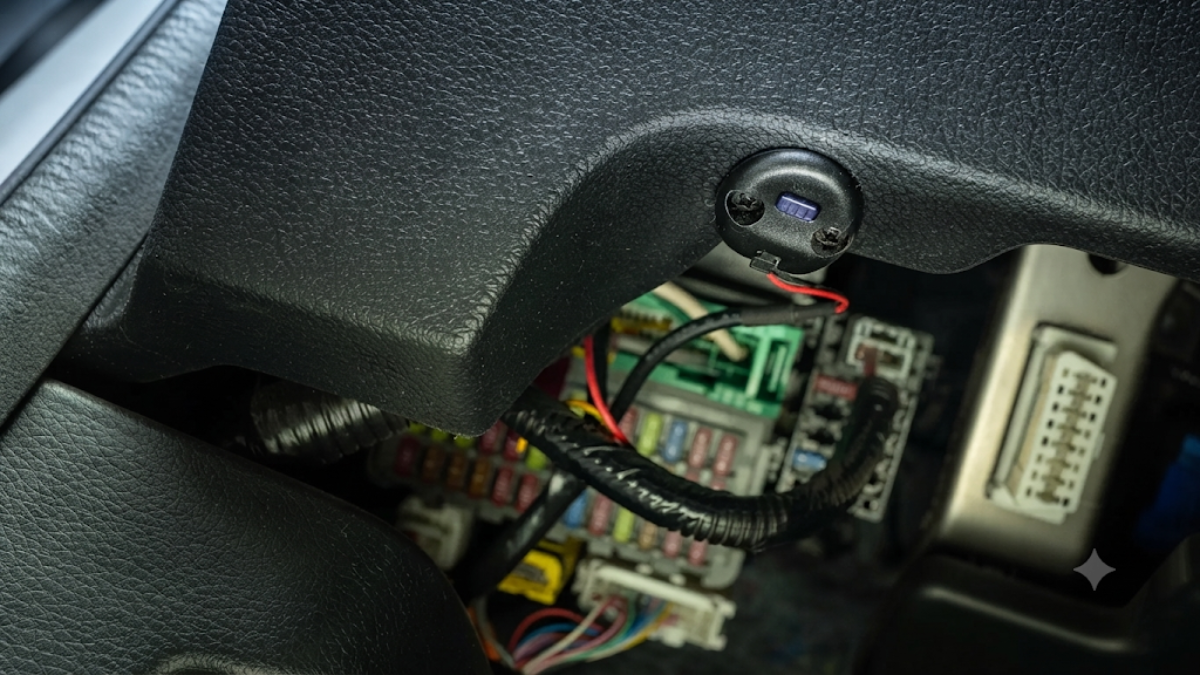
Today’s vehicles contain dozens of electronic control units, wireless communication systems, and computerized security features that work together to prevent unauthorized access. Anti-theft technology often includes encrypted communication between key fobs, onboard computers, immobilizers, and other electronic components designed to verify authorized users before allowing a vehicle to start.
Researchers note that although these systems significantly improve convenience and security in many situations, they also introduce new cybersecurity challenges. As automotive technology becomes increasingly sophisticated, manufacturers must continuously evaluate software, firmware, and communication protocols to ensure they remain resistant to evolving cyber threats.
Research Highlights Need for Stronger Cybersecurity
The UC San Diego findings emphasize that cybersecurity should be considered an ongoing process rather than a one-time design feature. Security researchers routinely evaluate hardware and software systems to identify vulnerabilities before criminals can exploit them, allowing manufacturers to improve protections through engineering changes and software updates where appropriate.
Experts say responsible security research plays an important role in improving consumer safety. By identifying weaknesses through controlled testing, researchers provide manufacturers with opportunities to strengthen products and reduce future risks. Such studies often lead to improved encryption methods, enhanced authentication procedures, and better defensive technologies across the automotive industry.
Industry Response and Consumer Awareness
Automakers and technology companies regularly monitor cybersecurity research and may review findings that identify potential vulnerabilities affecting vehicle systems. If security concerns are confirmed, manufacturers may evaluate software updates, revised hardware designs, or additional protective measures to address identified weaknesses and improve vehicle security.
Consumers are also encouraged to remain informed about manufacturer updates, security recalls, and recommended software improvements for their vehicles. While researchers stress that the study does not necessarily indicate widespread immediate risk for all drivers, maintaining updated vehicle software and following manufacturer guidance can help ensure that modern security systems continue functioning as intended.
| Research Overview | Details |
|---|---|
| Research Institution | University of California, San Diego (UC San Diego) |
| Subject | Vehicle anti-theft technology |
| Main Finding | Certain system designs may create security vulnerabilities |
| Research Focus | Automotive cybersecurity |
| Potential Impact | Vehicle theft prevention and digital security improvements |
| Stakeholders | Automakers, cybersecurity researchers, vehicle owners |
| Current Status | Research findings under review by industry and security experts |
The research conducted by a UC San Diego professor highlights how advances in automotive technology can introduce unexpected cybersecurity challenges alongside new convenience and safety features. By identifying potential weaknesses in certain anti-theft systems, the study encourages manufacturers to continually strengthen digital protections against increasingly sophisticated forms of vehicle crime.
Although modern anti-theft technologies remain an important component of vehicle security, experts emphasize that no system is completely immune from evolving threats. Continued collaboration between researchers, automakers, and cybersecurity professionals will be essential to improving future vehicle security while maintaining public confidence in increasingly connected transportation technologies.
FAQ’s:
What did the UC San Diego research find?
The research concluded that certain anti-theft system designs may contain vulnerabilities that could reduce their effectiveness against vehicle theft under specific circumstances.
Does the study mean all vehicles are vulnerable?
No. The findings relate to specific technological weaknesses identified during research and do not necessarily apply to every vehicle or every anti-theft system.
Why are modern vehicles more vulnerable to cyber threats?

Modern vehicles rely heavily on electronic systems, wireless communication, and computerized security features, which require ongoing cybersecurity protection as technology evolves.
How can manufacturers respond to security research?
Automakers may review research findings, strengthen software protections, improve encryption, revise hardware designs, or release updates that enhance vehicle security.
What can vehicle owners do?
Owners should install manufacturer-recommended software updates, follow security guidance, and stay informed about recalls or cybersecurity advisories related to their vehicles to help maintain the effectiveness of installed security systems.