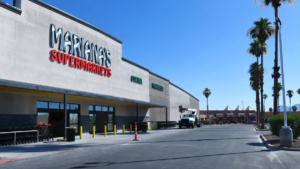
Las Vegas, Nevada, USA — A recent U.S. Supreme Court ruling connected to the ongoing legal battle over birthright citizenship has prompted strong reactions from residents in Las Vegas, Nevada, with some community members expressing relief over the decision and its potential impact on immigrant families. While the ruling focused primarily on legal questions surrounding the authority of federal courts to issue nationwide injunctions, it also influenced how challenges to federal policies concerning birthright citizenship may proceed.
The decision has generated widespread discussion among immigration advocates, legal experts, elected officials, and families who closely follow changes to U.S. immigration law. In Las Vegas, a city with a large and diverse immigrant population, many residents said the ruling eased immediate concerns about uncertainty surrounding citizenship rights for children born in the United States.
Although the broader constitutional questions regarding birthright citizenship remain subject to ongoing legal proceedings, the Supreme Court’s action represents an important development in one of the country’s most closely watched legal disputes. Community organizations have continued encouraging families to stay informed while awaiting additional court decisions.
The case highlights the continuing national debate over immigration policy and the legal interpretation of citizenship protections under the U.S. Constitution.
Supreme Court Decision Focuses on Legal Process
The Supreme Court’s ruling did not directly determine whether birthright citizenship itself is constitutional. Instead, the justices addressed procedural questions involving the use of nationwide injunctions issued by lower federal courts that temporarily block executive actions while lawsuits are pending.
The decision may affect how future legal challenges involving federal immigration policies move through the judicial system. Rather than immediately resolving the underlying constitutional dispute, the ruling establishes guidance regarding the scope of judicial authority exercised by lower courts during ongoing litigation.
Legal analysts noted that the case represents an important procedural milestone rather than a final determination on birthright citizenship. Additional lawsuits and future court proceedings are expected before the broader constitutional questions receive definitive judicial resolution.
As a result, immigration attorneys continue advising affected families to monitor future legal developments carefully while relying on current law unless further court action changes existing policies.
Las Vegas Residents Respond With Relief
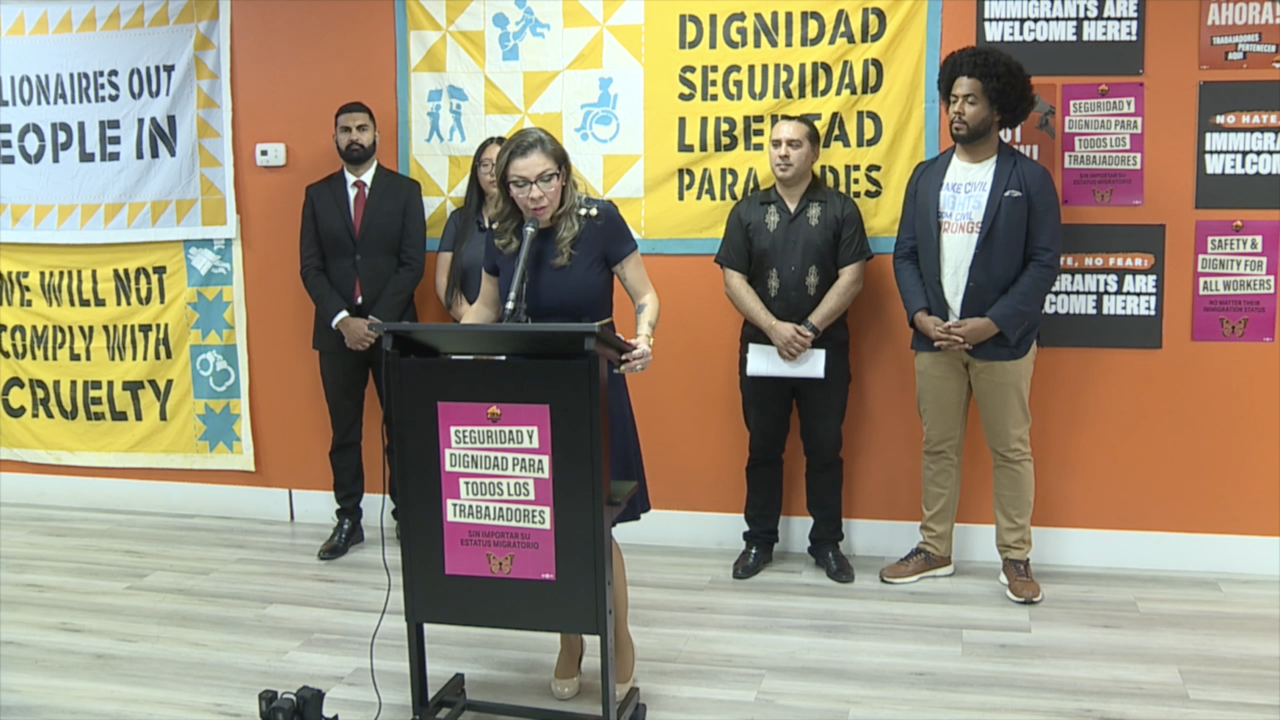
In Las Vegas, many residents interviewed following the ruling described feelings of relief, particularly those from immigrant communities concerned about uncertainty surrounding citizenship issues. Families expressed hope that the legal process would continue to protect constitutional rights while providing greater clarity regarding future immigration policies.
Community advocates reported receiving numerous questions from residents seeking to understand what the Supreme Court’s decision meant for their families. Legal assistance organizations also emphasized the importance of distinguishing between procedural court rulings and final constitutional decisions.
Las Vegas is home to a culturally diverse population representing communities from around the world. Because immigration issues directly affect many local families, Supreme Court decisions involving citizenship often receive significant public attention throughout Southern Nevada.
Several advocacy organizations encouraged residents to seek information from qualified legal professionals rather than relying on misinformation circulating through social media.
Birthright Citizenship Remains Central Constitutional Issue
Birthright citizenship refers to the constitutional principle that most individuals born within the United States automatically acquire U.S. citizenship under the Fourteenth Amendment. The provision has been interpreted for more than a century as applying broadly to children born on American soil, subject to limited exceptions recognized by law.
The ongoing litigation stems from challenges involving executive actions seeking to modify or reinterpret aspects of birthright citizenship policy. Supporters and opponents continue presenting differing constitutional arguments concerning the federal government’s authority in this area.
Legal scholars note that any substantial changes affecting birthright citizenship would likely require extensive judicial review because of the longstanding constitutional interpretation surrounding the Fourteenth Amendment.
The Supreme Court’s recent procedural ruling does not eliminate continued legal debate, meaning additional court decisions are expected before the broader constitutional issues are fully resolved.
Community Organizations Continue Providing Guidance
Following the Supreme Court’s decision, community organizations throughout Las Vegas continued offering educational resources, legal information, and support services for families with immigration-related questions. Advocacy groups emphasized that individuals should remain informed through official court updates and qualified immigration attorneys.
Local organizations explained that many immigrant families experience uncertainty whenever major federal immigration cases receive national attention. Accurate information helps reduce confusion and enables families to make informed decisions based on verified legal guidance.
Attorneys also reminded residents that ongoing litigation may continue for an extended period before final constitutional questions are resolved. Until then, existing legal protections remain subject to future judicial review and additional court proceedings.
Community leaders encouraged respectful public discussion while recognizing the significance of the issue for many Nevada families.
Case Overview
| Category | Details |
|---|---|
| Event | Supreme Court procedural ruling |
| Topic | Birthright citizenship litigation |
| Location | Las Vegas, Nevada, USA |
| Court | U.S. Supreme Court |
| Primary Legal Issue | Nationwide injunctions and judicial authority |
| Community Response | Relief expressed by some local residents |
| Broader Issue | Constitutional interpretation of birthright citizenship |
| Local Impact | Strong interest among immigrant communities |
| Current Status | Additional legal proceedings expected |
| Significance | Important procedural development in ongoing litigation |
The Supreme Court’s recent ruling represents a significant procedural step in the ongoing legal dispute surrounding birthright citizenship, prompting relief among some residents in Las Vegas while leaving broader constitutional questions unresolved. Although the decision primarily addressed the authority of lower federal courts to issue nationwide injunctions, it has important implications for how future immigration-related lawsuits may proceed through the judicial system.
For many Las Vegas families, the ruling reduced immediate uncertainty while reinforcing the importance of closely following future legal developments. Community organizations, attorneys, and advocacy groups continue encouraging residents to seek accurate legal information and remain informed as additional court proceedings unfold. As one of the nation’s most closely watched constitutional issues, the birthright citizenship debate is expected to remain an important topic in both legal and public policy discussions for the foreseeable future.
FAQ’s:
Where did local reaction to the ruling occur?
The community response highlighted in the report came from Las Vegas, Nevada, USA.
Did the Supreme Court rule directly on birthright citizenship?
No. The ruling primarily addressed procedural issues involving nationwide injunctions rather than issuing a final constitutional decision on birthright citizenship.
Why were some Las Vegas residents relieved?
Some residents believed the ruling reduced immediate uncertainty while allowing existing legal protections to remain in place during ongoing litigation.
Is the birthright citizenship case finished?
No. Additional legal proceedings are expected before broader constitutional questions are fully resolved.
What should families do following the ruling?
Legal experts recommend following official court developments and consulting qualified immigration attorneys for guidance regarding individual circumstances.