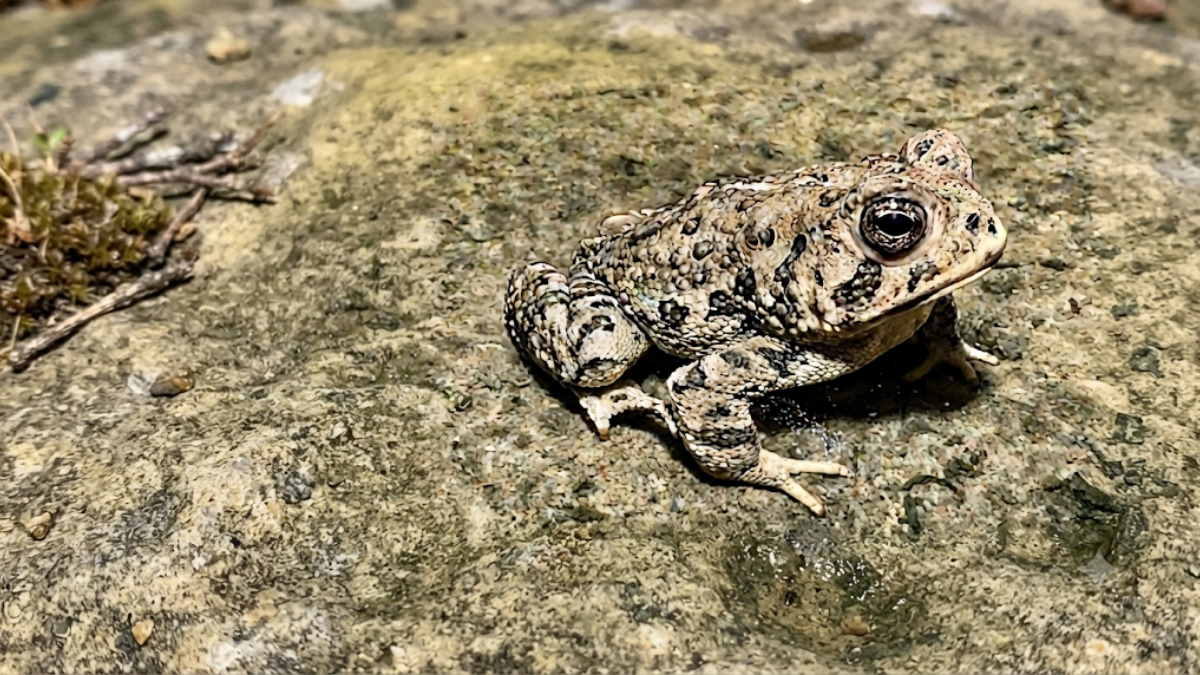
Wildlife experts have confirmed the sighting of a Woodhouse’s toad at the Springs Preserve in Las Vegas, Nevada, marking the first documented appearance of the species at the site in 64 years. Conservationists described the discovery as a significant ecological milestone, highlighting the success of habitat restoration efforts that have transformed parts of the preserve into a welcoming environment for native wildlife.
The unexpected discovery has generated excitement among biologists, environmental educators, and visitors alike. Officials say the return of the amphibian demonstrates the importance of long-term conservation initiatives and provides encouraging evidence that carefully restored desert ecosystems can once again support native species that had disappeared from the area decades ago.
Historic Discovery Marks Return of a Native Species
The Woodhouse’s toad was recently observed at the Springs Preserve in Las Vegas, Clark County, Nevada, making it the first confirmed sighting at the location since the early 1960s. Conservation officials noted that the species had not been documented at the preserve for 64 years, making the discovery especially meaningful for scientists who monitor the health of Southern Nevada’s ecosystems.
Biologists explained that amphibians are often considered important indicators of environmental quality because they are highly sensitive to changes in water conditions, habitat quality, and pollution. The return of the toad suggests that restoration projects carried out over many years have created conditions capable of supporting native amphibian populations once again.
Habitat Restoration Creates Opportunities for Wildlife
The Springs Preserve has invested extensively in restoring native vegetation, improving wetland habitats, and protecting natural water resources. These conservation efforts are designed to recreate ecological conditions that historically supported a wide variety of plants and animals in the Las Vegas Valley. Environmental specialists believe such improvements have played a major role in making the preserve suitable for species like the Woodhouse’s toad.
Wildlife managers also emphasize the importance of maintaining healthy aquatic habitats, reducing invasive species, and preserving natural breeding areas for amphibians. Although the discovery of a single toad does not necessarily indicate a large population, experts view the sighting as an encouraging sign that suitable habitat now exists for native wildlife to return naturally.
Conservationists Celebrate While Continuing Monitoring Efforts
Following the discovery, scientists and preserve staff have continued monitoring the area to determine whether additional Woodhouse’s toads are present. Researchers may conduct nighttime surveys, habitat assessments, and seasonal monitoring to better understand whether a breeding population has become established within the preserve. Continued observation will help biologists evaluate the long-term significance of the finding.
Officials also hope the discovery will encourage greater public appreciation for conservation projects throughout Southern Nevada. Educational programs at the preserve often highlight the region’s unique biodiversity and the importance of protecting fragile desert ecosystems. The reappearance of a native amphibian after more than six decades serves as a reminder that sustained environmental stewardship can produce meaningful ecological results.
| Discovery Overview | Details |
|---|---|
| Species | Woodhouse’s toad |
| Location | Springs Preserve, Las Vegas, Clark County, Nevada |
| Historic Significance | First documented sighting in 64 years |
| Importance | Indicates improving habitat and ecosystem health |
| Conservation Focus | Wetland restoration, native habitat protection |
| Current Status | Wildlife monitoring continues |
The rediscovery of the Woodhouse’s toad at the Springs Preserve in Las Vegas represents an important milestone for conservation efforts in Southern Nevada. After an absence of more than six decades, the species’ return suggests that habitat restoration initiatives have successfully recreated environmental conditions capable of supporting native wildlife once again.
While researchers continue monitoring the preserve to determine whether additional toads are present, the sighting has already become a symbol of the positive impact that long-term conservation work can achieve. Scientists and preserve officials hope the discovery inspires continued support for protecting natural habitats and preserving biodiversity for future generations.
FAQ’s:
Which species was discovered?
Wildlife experts confirmed the sighting of a Woodhouse’s toad at the Springs Preserve.
Where was the toad found?
The toad was discovered at the Springs Preserve in Las Vegas, Clark County, Nevada.
Why is the discovery significant?

It marks the first documented sighting of the species at the preserve in 64 years, indicating successful habitat restoration and improving ecosystem conditions.
Does the sighting mean the species has fully returned?
Not necessarily. Scientists are continuing to monitor the preserve to determine whether a larger or breeding population exists.
Why are amphibians important to scientists?
Amphibians are often considered indicators of environmental health because they are sensitive to changes in habitat quality, water conditions, and pollution.