Several Ohio state agencies are expanding their use of Flock AI camera technology, joining a growing network of automated license plate reader (ALPR) systems designed to assist law enforcement and government investigators. Among the newest agencies deploying the technology are the Ohio Bureau of Workers’ Compensation and the Ohio State Fire Marshal, reflecting broader adoption of surveillance tools beyond traditional police departments.
Supporters say the camera systems can help investigators locate stolen vehicles, identify suspects, and assist with criminal investigations more efficiently. However, the expansion has also renewed debate over privacy protections, data retention policies, and the appropriate use of artificial intelligence in public safety operations.
Ohio Agencies Expand Flock AI Camera Network
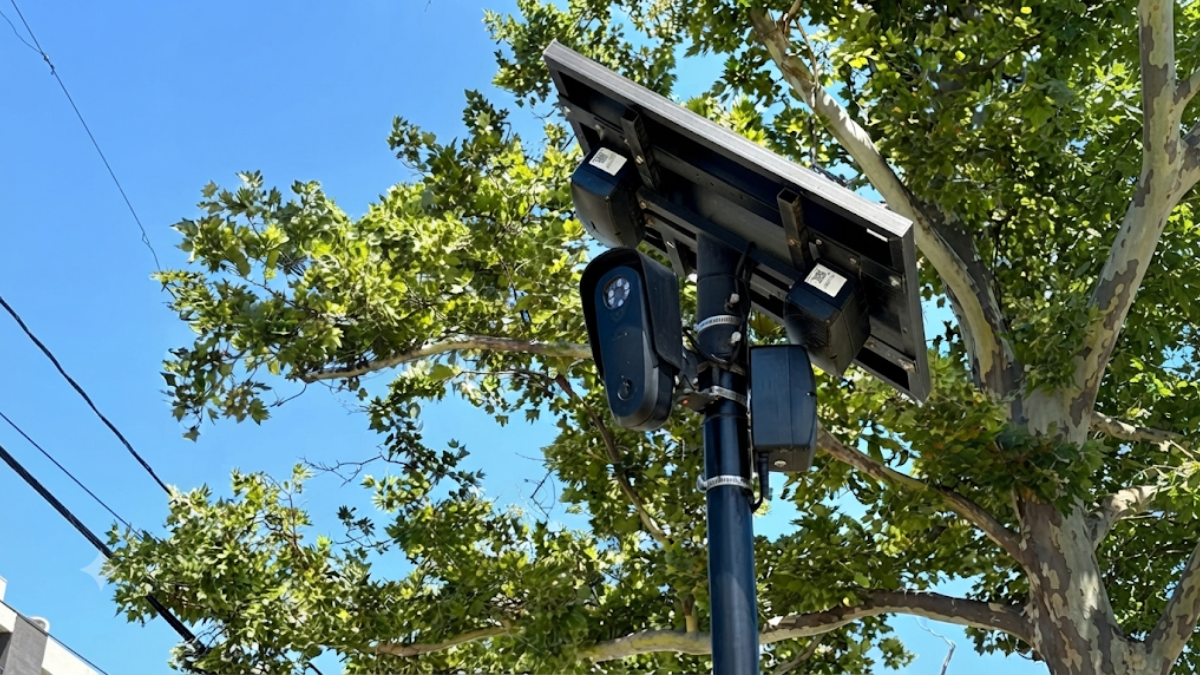
The latest expansion includes several Ohio government agencies that have begun using or gaining access to the Flock Safety camera network. The technology uses automated license plate readers equipped with artificial intelligence to capture images of passing vehicles, record license plate numbers, and document characteristics such as vehicle color, make, model, and other identifying features.
Unlike traditional traffic enforcement cameras, Flock systems are primarily intended as investigative tools rather than devices used to issue speeding citations. The information collected can help investigators identify vehicles connected to criminal investigations, locate stolen automobiles, and trace vehicle movements during specific time periods. By allowing additional state agencies to use the system, Ohio officials aim to improve information sharing across multiple investigative organizations.
Technology Supports Criminal and Administrative Investigations
The Ohio Bureau of Workers’ Compensation and the Ohio State Fire Marshal are among the agencies expanding their investigative capabilities through access to Flock’s camera network. Officials say the technology may assist in investigations involving fraud, arson, theft, insurance-related crimes, and other cases where vehicle identification can provide valuable leads.
Investigators can search historical records based on vehicle descriptions, partial license plate numbers, or other identifying characteristics. When legally authorized, agencies may also receive alerts if a vehicle connected to an active investigation passes a participating camera. Officials argue that these capabilities allow investigators to respond more quickly while reducing the time required to manually review surveillance footage from multiple locations.
Privacy and Civil Liberties Remain Part of the Debate
The growing use of automated license plate reader technology has prompted ongoing discussions among privacy advocates, civil liberties organizations, and government officials. Critics argue that widespread deployment of AI-powered cameras raises concerns about long-term data collection, government surveillance, and the possibility of tracking the movements of individuals who are not suspected of committing crimes.
Supporters of the technology maintain that the systems are designed with safeguards intended to limit misuse. Agencies generally establish policies governing who may access the data, how long records are retained, and the circumstances under which searches may be conducted. Oversight procedures, audit logs, and user accountability measures are often included to help ensure that information is accessed only for authorized investigative purposes.
Expansion Reflects Broader National Trend
Ohio’s expanded use of Flock AI cameras mirrors a nationwide trend in which state and local agencies increasingly adopt automated investigative technologies. Law enforcement organizations across the United States have invested in AI-assisted tools to improve investigative efficiency, recover stolen vehicles, locate missing persons, and identify suspects involved in violent crimes or other serious offenses.
As more agencies join these networks, policymakers continue evaluating how to balance investigative benefits with privacy protections. Legislators, technology providers, and public officials are expected to continue reviewing issues such as transparency, public disclosure, cybersecurity, data retention, and independent oversight as automated surveillance systems become more widely used throughout government.
| Technology Overview | Details |
|---|---|
| Technology | Flock AI automated license plate reader system |
| Location | Ohio |
| New Participating Agencies | Ohio Bureau of Workers’ Compensation and Ohio State Fire Marshal |
| Primary Purpose | Criminal and administrative investigations |
| Information Collected | License plates, vehicle characteristics, location and time data |
| Potential Uses | Vehicle identification, fraud investigations, stolen vehicle recovery, criminal investigations |
| Ongoing Discussion | Privacy, oversight, and data retention policies |
The expansion of Flock AI camera technology across additional Ohio state agencies represents a significant development in the use of automated investigative tools by government organizations. Officials believe the technology can improve investigative efficiency by helping agencies identify vehicles connected to criminal or administrative investigations while enhancing collaboration between departments.
At the same time, the broader deployment of AI-powered license plate readers continues to generate important conversations regarding privacy, transparency, and appropriate oversight. As Ohio agencies increase their reliance on these systems, policymakers and the public will likely continue evaluating how technological innovation can support public safety while protecting individual rights and maintaining public trust.
FAQ’s:
What is Flock AI camera technology?
Flock AI is an automated license plate reader (ALPR) system that captures license plate information and vehicle characteristics to assist investigators during criminal and administrative investigations.
Which Ohio agencies are expanding their use of the technology?
Among the agencies adopting or expanding access are the Ohio Bureau of Workers’ Compensation and the Ohio State Fire Marshal, along with other participating government organizations.
What types of investigations can the cameras support?

The technology may assist investigations involving stolen vehicles, fraud, arson, theft, insurance-related crimes, and other criminal cases where vehicle identification is relevant.
Why has the expansion generated privacy concerns?
Critics argue that widespread automated license plate readers may increase government surveillance and collect information about people who are not suspected of any crime, raising questions about data retention and oversight.
How do agencies say the technology is regulated?
Participating agencies generally operate under policies governing authorized access, data retention periods, audit logging, and investigative use, with oversight intended to reduce the risk of misuse.