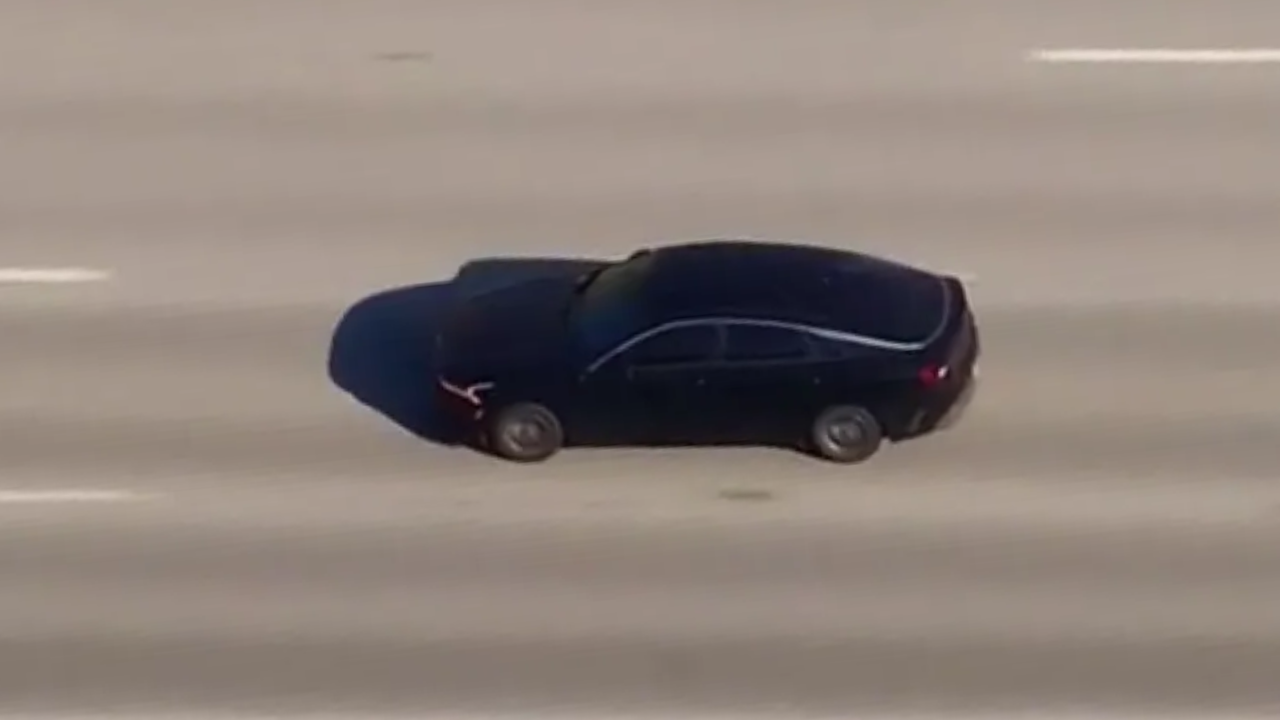
LOS ANGELES COUNTY, California — A police pursuit involving a possibly armed suspect unfolded along the Interstate 5 Freeway in Los Angeles County, triggering major traffic disruptions and drawing significant public attention as officers attempted to safely bring the situation to an end. Authorities indicated that the suspect may be armed, increasing the urgency and complexity of the pursuit.
The chase developed in real time on one of Southern California’s busiest transportation corridors, prompting multiple law enforcement units to coordinate efforts while monitoring the suspect’s movements. The situation remained fluid as officers worked to contain the threat while minimizing risk to motorists traveling through the area.
How the Freeway Chase Began
The pursuit began after law enforcement officers attempted to stop a vehicle connected to a suspect believed to be possibly armed. According to early information, officers initiated contact after receiving reports that led them to the suspect’s location somewhere within Los Angeles County.
When officers attempted a traffic stop, the driver allegedly failed to comply and instead accelerated onto the Interstate 5 Freeway. This triggered an immediate pursuit response, with multiple patrol units joining the chase as it moved through congested freeway lanes.
Authorities quickly broadcast updates to nearby units, warning that the suspect might be armed. This classification significantly escalated the operational response, as officers prepared for a potentially dangerous confrontation while continuing the pursuit.
The freeway setting created additional risks, as officers had to balance the urgency of apprehending the suspect with the need to protect surrounding motorists traveling at high speeds.
CHP and Police Coordination During the Pursuit
As the chase continued along the Interstate 5 corridor, California Highway Patrol and local law enforcement agencies coordinated efforts to track and contain the suspect. Officers used a combination of ground units and aerial surveillance to maintain visual contact with the vehicle.
Traffic on portions of the freeway slowed significantly as the pursuit passed through different segments of Los Angeles County. Motorists were advised to exercise caution and, in some cases, avoid the area entirely to reduce congestion and prevent potential collisions.
Authorities carefully monitored the suspect’s driving behavior, including lane changes, speed fluctuations, and interactions with surrounding vehicles. The possible presence of a weapon heightened concerns, leading officers to adjust their pursuit tactics in real time.
In similar incidents, law enforcement agencies often prioritize containment strategies over immediate intervention to reduce the risk of endangering the public, especially on heavily trafficked freeways like Interstate 5.
Public Safety Risks and Traffic Disruption
The pursuit caused significant disruption along one of Southern California’s major transportation routes. Drivers experienced sudden slowdowns, lane blockages, and unexpected diversions as law enforcement units moved through the freeway system.
Interstate 5 is a critical north-south artery in Los Angeles County, meaning even brief disruptions can lead to widespread congestion extending for miles. During the chase, traffic buildup was reported in multiple directions as commuters and freight vehicles were forced to adjust routes or come to a near standstill.
The possibility that the suspect was armed further elevated public concern. Authorities emphasized the importance of keeping distance from the pursuit and avoiding interference with law enforcement operations.
Despite the tension of the situation, officials worked to ensure that no civilians were directly harmed during the ongoing chase, continuously adapting their response to evolving conditions on the roadway.
Law Enforcement Strategy and Containment Efforts
Throughout the pursuit, officers employed coordinated containment strategies designed to safely end the chase without escalating the situation. These methods often include surrounding a suspect vehicle with patrol units, coordinating spike strip deployment when feasible, and preparing for controlled stops in less populated areas.
Aerial units played a critical role by maintaining visual tracking from above, allowing ground officers to anticipate the suspect’s movements and adjust accordingly. Communication between agencies remained constant as the situation developed.
Because the suspect was considered possibly armed, officers exercised heightened caution in their approach. Protocols for armed suspects typically prioritize de-escalation and controlled apprehension rather than immediate confrontation, especially in high-traffic freeway environments.
Officials continued monitoring the situation closely as the pursuit progressed through different sections of Los Angeles County.
Community Awareness and Real-Time Coverage
As the chase unfolded, real-time coverage from news helicopters and traffic cameras provided the public with continuous updates. Viewers across Southern California followed the pursuit as it developed, with footage showing heavy police presence and slowed freeway traffic.
Social media platforms also amplified awareness of the incident, with users sharing updates and reacting to the rapidly changing situation. Many commuters in the affected areas reported delays and detours as the pursuit passed through key intersections and freeway segments.
Authorities urged the public to remain cautious and avoid spreading unverified information during the ongoing incident. Law enforcement agencies typically rely on official channels to provide confirmed updates once pursuits conclude.
The visibility of freeway chases in Los Angeles has historically drawn widespread attention due to the region’s dense population and heavy reliance on freeway transportation.
Investigation and Next Steps After the Chase
Once the pursuit concludes, law enforcement agencies are expected to conduct a full investigation into the incident. This includes determining the suspect’s identity, confirming whether a weapon was present, and evaluating any additional criminal charges that may apply.
Authorities will also review the circumstances that led to the initial attempted traffic stop and subsequent pursuit. Dashcam and aerial footage, along with witness statements, will likely play a key role in reconstructing the sequence of events.
If the suspect is taken into custody, they may face charges related to evading police, endangerment, and any underlying offenses connected to the original stop. The “possibly armed” classification will also be examined to determine whether it was confirmed during the incident.
Officials typically release additional details after the situation is fully resolved and all safety risks have been addressed.
Key Facts About the Incident
| Category | Details |
|---|---|
| Location | Interstate 5 Freeway, Los Angeles County, California |
| Incident Type | Police pursuit involving possibly armed suspect |
| Agencies Involved | Local law enforcement, California Highway Patrol |
| Public Risk Level | Elevated due to possible weapon involvement |
| Traffic Impact | Major freeway disruptions and congestion |
| Suspect Status | Actively being pursued (at time of report) |
| Law Enforcement Strategy | Containment and aerial tracking |
| Outcome | Pending resolution |
| Public Advisory | Avoid area and follow official updates |
| Investigation Status | Ongoing |
The police pursuit involving a possibly armed suspect on the Interstate 5 Freeway underscores the complexities and risks associated with high-speed chases in densely populated urban areas like Los Angeles County. With officers working in real time to balance public safety and law enforcement objectives, the incident caused widespread traffic disruption and heightened public attention.
As the situation develops toward resolution, authorities are expected to release further details regarding the suspect, any weapons involved, and the circumstances that led to the chase. For now, the focus remains on safely concluding the pursuit and ensuring the protection of motorists and officers alike.
FAQ’s:
Where did the chase occur?
The pursuit took place on the Interstate 5 Freeway in Los Angeles County, California.
Why was the suspect being chased?
Authorities reported the suspect was possibly armed and attempted to evade a traffic stop.
Which agencies were involved?

Local law enforcement and the California Highway Patrol coordinated during the pursuit.
Was anyone injured?
No injuries have been reported at the time of the incident coverage.
What happens after the chase ends?
Authorities will investigate the suspect, confirm weapon status, and determine applicable criminal charges.