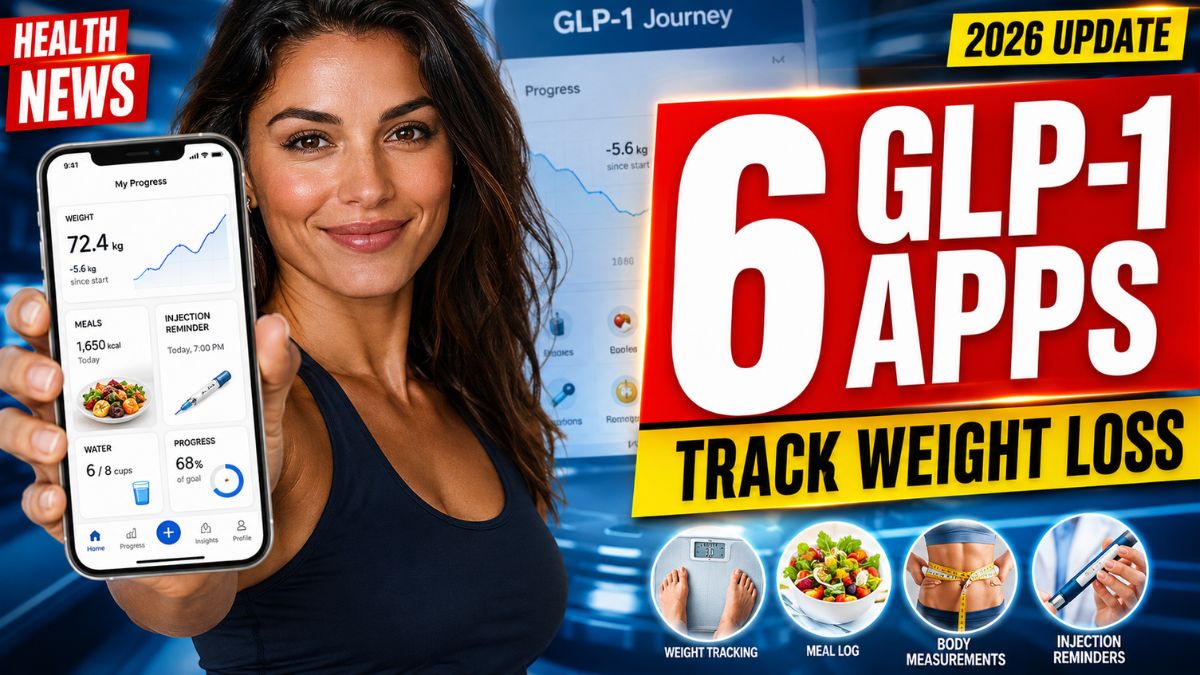
GLP-1 medications such as semaglutide and tirzepatide can play a role in weight management, but keeping track of medication schedules, food intake, activity, weight, and other health details can still be difficult. A GLP-1 tracking app can provide a simple way to organize some of that information in one place.
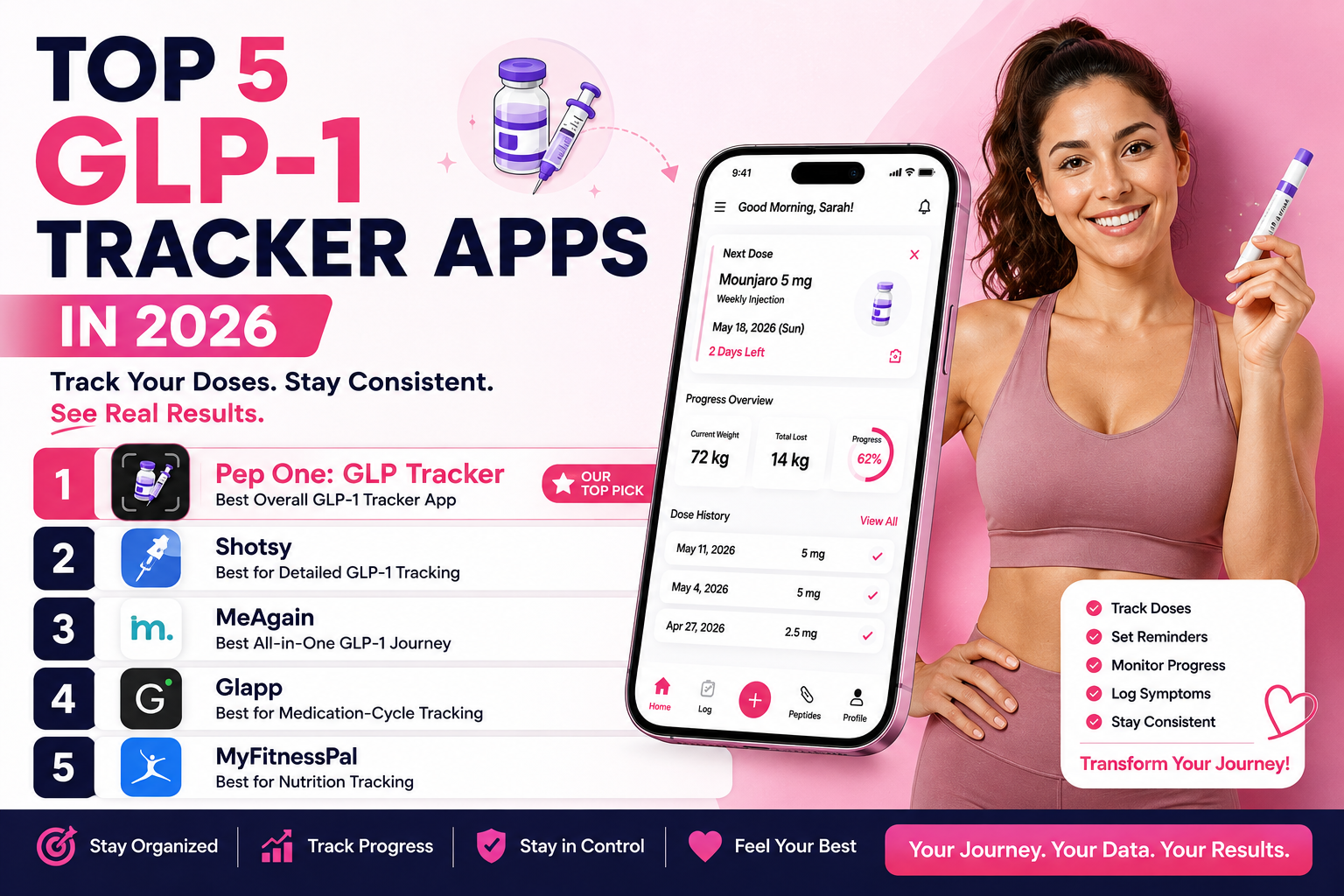
Different apps focus on different needs. Some are built around medication reminders, while others emphasize calorie tracking, nutrition, measurements, or broader weight-management support. Here are six options and what each one does best.
MyFitnessPal
MyFitnessPal is a well-known app for tracking food, calories, exercise, and weight. Its large food database can make it useful for people who want to understand their eating habits while working toward weight-management goals.
For someone taking a GLP-1 medication, food tracking can provide additional context when appetite changes. Recording meals may help users see whether their daily intake includes a reasonable variety of foods and nutrients.
The app may be particularly convenient for people who already use it. Keeping food, activity, and weight information together can make it easier to review trends without switching between several platforms.
Lose It!
Lose It! focuses primarily on food, calorie, and weight tracking. Its relatively straightforward approach may suit people who want to monitor their eating habits without using a highly specialized medication platform.
GLP-1 medications can affect appetite and eating patterns. Logging meals can help users understand how those changes affect their overall intake. It can also provide a record that may be useful when discussing eating habits with a healthcare professional.
The app is most useful when users want a simple weight-management tracker rather than a dedicated GLP-1 medication journal.
Shotsy
Shotsy takes a more medication-focused approach. It is designed to help users keep track of injections and medication schedules, which can be useful for people who want a dedicated record of their treatment.
Medication schedules can become difficult to remember, particularly when daily responsibilities compete for attention. A dedicated tracker can provide a convenient place to record when an injection was taken and maintain treatment-related information.
For users whose main concern is medication organization rather than detailed calorie or nutrient tracking, this type of app may be a practical choice.
MeThreeSixty
MeThreeSixty focuses on body measurements and visual progress. This provides an alternative to monitoring weight alone.
Scale readings can fluctuate for several reasons, so a single measurement does not always show the full picture of changes over time. Recording body measurements and using progress images can give users another way to observe physical changes.
This approach may be useful for people who prefer to look at several indicators rather than judge progress exclusively by their weight.
WeightWatchers
WeightWatchers combines weight-management tools with food tracking, educational resources, and behavioral support. Depending on the plan and location, the platform may also offer services related to prescription weight-management medications.
Its broader approach can be useful for people who want support beyond basic logging. Users can work on food choices, activity, habits, and weight-management goals within one platform.
Because available features and medication-related services can change by market and membership, users should check the current offerings before choosing a plan.
Cronometer
Cronometer is particularly focused on detailed nutrition tracking. In addition to calories, it can provide information about vitamins, minerals, and other nutrients.
This may be relevant for people taking GLP-1 medications who experience reduced appetite and therefore eat smaller amounts. When food intake decreases, paying attention to overall nutritional quality can become more important.
Cronometer may therefore suit users who want detailed information about their diet rather than focusing primarily on calorie totals or medication reminders.
| App | Best For |
|---|---|
| MyFitnessPal | Food and activity tracking |
| Lose It! | Simple calorie and weight tracking |
| Shotsy | Medication and injection tracking |
| MeThreeSixty | Measurements and visual progress |
| WeightWatchers | Broader weight-management support |
| Cronometer | Detailed nutrient tracking |
Choosing
The right GLP-1 tracking app depends on what you want to monitor. Shotsy may be more appropriate for medication and injection tracking, while MyFitnessPal and Lose It! focus more heavily on food and weight. Cronometer provides greater detail about nutrients, and MeThreeSixty offers another way to monitor physical changes. WeightWatchers takes a broader approach to weight management.
An app can help organize information, but it does not replace medical care. Questions about medication doses, side effects, nutrition, or changes to treatment should be discussed with a qualified healthcare professional. The most useful tracker is generally the one that fits your routine and gives you clear, consistent information about the areas you want to monitor.
FAQs
What is the best GLP-1 tracking app?
The best app depends on whether you prioritize medication, food, or progress tracking.
Can GLP-1 apps track injections?
Yes, some apps are designed specifically to track injections and medication schedules.
Can I track food with a GLP-1 app?

Yes, several apps track calories, food intake, nutrients, and meals.
Are GLP-1 tracking apps medical tools?
No. They support tracking but should not replace advice from your healthcare provider.
Do GLP-1 apps track weight?
Yes, many apps let you record weight and monitor changes over time.