California lawmakers are advancing legislation aimed at restricting technology used to manufacture so-called “ghost guns,” but the proposal has encountered unexpected opposition from members of the entertainment industry. The legislation seeks to limit access to certain digital technologies and manufacturing methods that authorities say can be used to produce untraceable firearms, while critics argue that the measure could unintentionally affect legitimate industries that rely on similar tools.
The debate has drawn attention because it places two influential California interests—public safety advocates and Hollywood’s film production community—on opposite sides of the issue. As lawmakers continue considering the proposal in Sacramento, California, supporters and opponents are presenting competing arguments about firearm regulation, technological innovation, and the potential economic impact on the state’s entertainment sector.
Lawmakers Aim to Limit Technology Used to Produce Ghost Guns
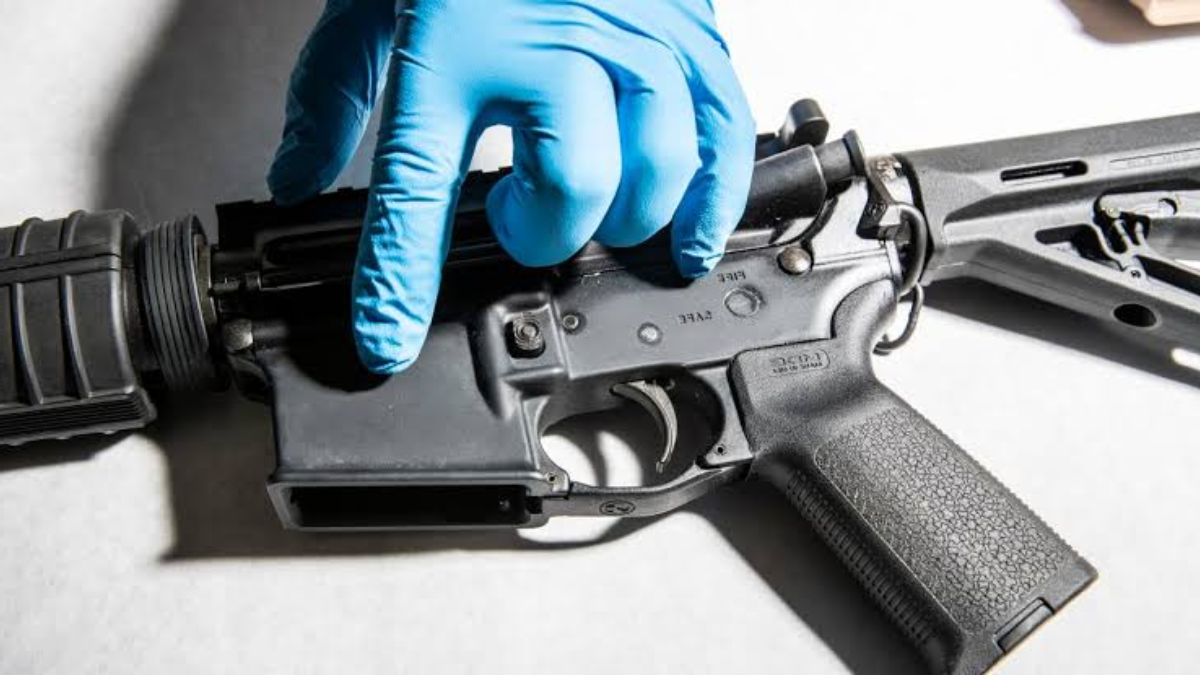
The proposed legislation is part of California’s broader effort to address the growing use of privately manufactured firearms that lack serial numbers and are commonly referred to as “ghost guns.” Supporters of the bill argue that advances in 3D printing technology, computer-aided design (CAD) files, and modern manufacturing equipment have made it easier for individuals to produce firearm components outside traditional regulatory systems. They contend that additional safeguards are necessary to reduce illegal firearm production and improve public safety.
Under the proposal, lawmakers are seeking to regulate specific technologies associated with manufacturing firearm parts rather than focusing solely on completed firearms. Advocates believe these measures could make it more difficult for prohibited individuals to produce untraceable weapons while supporting ongoing law enforcement efforts to combat gun-related crime. The legislation remains under consideration, and its final language could change as lawmakers continue reviewing the bill.
Hollywood Warns of Unintended Consequences
While the proposal has gained support from gun violence prevention advocates, representatives from California’s film and television industry have expressed concern about its potential impact on entertainment production. Many studios, prop manufacturers, and special effects companies rely on advanced 3D printing, digital modeling software, and manufacturing technologies to create realistic props, costumes, and production equipment for movies and television shows. Industry representatives argue that overly broad restrictions could unintentionally affect legitimate creative work.
Entertainment professionals have urged lawmakers to consider exemptions or revised language that would allow licensed production companies to continue using the technology without unnecessary regulatory burdens. They maintain that the same manufacturing tools used for film production also support engineering, product design, medical innovation, and educational research. Industry leaders say they support efforts to reduce illegal firearm production but want legislation that clearly distinguishes criminal misuse from lawful commercial applications.
Debate Highlights Balance Between Public Safety and Innovation
The proposal has sparked broader discussions about how governments should regulate emerging technologies capable of serving both legitimate and unlawful purposes. Public safety advocates argue that technological advances require updated regulations to prevent misuse, while technology experts and industry groups caution against restrictions that could slow innovation or unintentionally affect businesses operating within the law.
California lawmakers are expected to continue reviewing testimony from law enforcement officials, firearm policy experts, technology specialists, and representatives of the entertainment industry before determining the bill’s final form. If approved, the legislation could influence future policy discussions in other states considering similar approaches to regulating technologies associated with privately manufactured firearms. Regardless of the outcome, the debate underscores the challenges lawmakers face when crafting regulations for rapidly evolving technologies.
| Legislative Overview | Details |
|---|---|
| Proposal | Restrictions on technology associated with manufacturing ghost guns |
| Legislative Location | Sacramento, California |
| Supporters | Public safety advocates, gun violence prevention groups |
| Opponents | Representatives from California’s film and entertainment industry |
| Key Issue | Balancing firearm regulation with legitimate technological and creative uses |
| Current Status | Under legislative consideration |
California’s proposed legislation targeting technology associated with ghost gun manufacturing has opened an unexpected debate involving lawmakers, public safety advocates, and Hollywood’s entertainment industry. Supporters argue that stronger regulations are necessary to address the growing availability of untraceable firearms, while critics warn that the proposal could unintentionally affect legitimate businesses that rely on the same manufacturing technologies for lawful purposes.
As discussions continue in Sacramento, lawmakers will likely consider possible amendments that balance public safety objectives with the needs of creative and technology-driven industries. The final outcome could shape not only California’s firearm policies but also future conversations about regulating advanced manufacturing technologies across the United States.
FAQ’s:
What are “ghost guns”?
Ghost guns generally refer to privately manufactured firearms that may lack serial numbers and therefore can be more difficult for law enforcement to trace.
Where is the legislation being considered?
The proposal is being debated by lawmakers in Sacramento, California.
Why is Hollywood involved in the debate?

Film studios and prop manufacturers use 3D printing and digital manufacturing technologies to produce movie props and special effects, and they are concerned that broad restrictions could affect legitimate production work.
What is the goal of the proposed legislation?
Supporters say the bill aims to reduce access to technologies that can be used to manufacture untraceable firearms while improving public safety.
Has the legislation become law?
No. The proposal remains under consideration, and lawmakers continue reviewing testimony and possible amendments before any final vote.