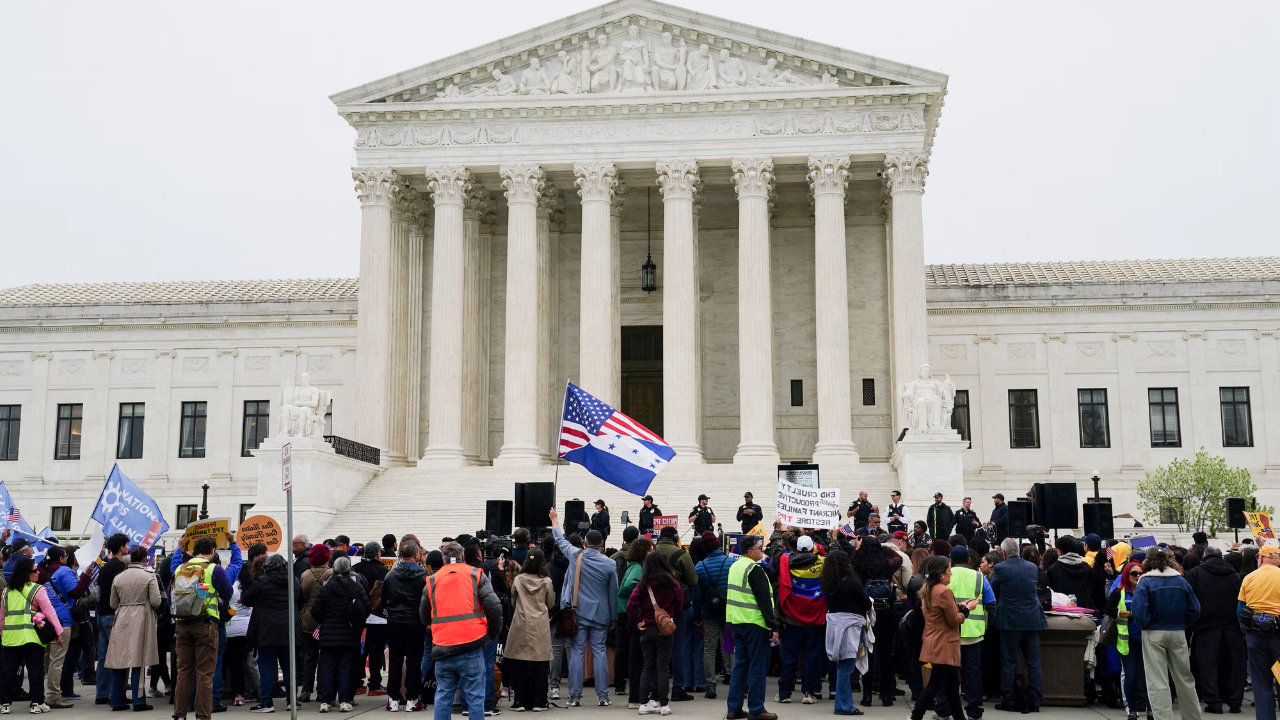
Washington, D.C., USA, and Arizona, USA — The U.S. Supreme Court has agreed to hear a Republican-backed appeal seeking to revive portions of Arizona’s voting restrictions that were previously blocked by lower courts. The case is expected to become one of the most closely watched election law disputes of the Court’s upcoming term because its outcome could influence how states regulate voter registration, ballot access, and election administration.
The legal challenge centers on Arizona election laws that supporters argue are designed to protect election integrity, while opponents contend the restrictions could make voting more difficult for eligible citizens. By agreeing to hear the appeal, the nation’s highest court will review legal questions involving voting rights, constitutional protections, and the authority of states to establish election procedures.
Election officials, voting rights organizations, lawmakers, and legal scholars are closely monitoring the case because the Court’s decision could have implications extending beyond Arizona.
Background of the Arizona Voting Dispute
The dispute originated after Arizona enacted voting provisions that became the subject of legal challenges in federal court. Opponents argued that certain requirements could prevent eligible voters from participating in elections and disproportionately affect some groups of voters.
Republican lawmakers and state officials have defended the measures, maintaining that they are intended to strengthen election security, improve confidence in voting systems, and ensure compliance with state election laws.
Lower federal courts blocked portions of the challenged provisions after concluding that they raised legal concerns under federal law and constitutional protections. The appeal to the Supreme Court seeks to overturn those rulings and allow the disputed restrictions to take effect.
The Court’s decision to hear the case does not indicate how the justices will ultimately rule; it simply means they have agreed to review the legal issues presented.
Key Legal Questions Before the Supreme Court
The Supreme Court is expected to examine several important legal questions involving the balance between state authority and federal protections governing elections.
Among the issues likely to receive attention are the extent of a state’s power to regulate voting procedures, the standards courts should apply when evaluating election laws, and whether the challenged Arizona provisions are consistent with constitutional requirements and federal voting rights statutes.
Attorneys representing both sides are expected to present arguments regarding election security, voter access, equal protection, and the practical impact of the disputed regulations.
Legal experts believe the Court’s analysis could provide additional guidance for future cases involving election administration across the United States.
The decision may also clarify how lower courts should evaluate similar voting disputes in other states.
Potential Impact Beyond Arizona
Although the case directly concerns Arizona election law, its outcome could influence future legislative efforts nationwide. Many states continue reviewing election procedures related to voter registration, ballot verification, absentee voting, identification requirements, and election administration.
Supporters of the challenged measures argue that states should retain broad authority to establish reasonable election safeguards that promote public confidence and reduce opportunities for fraud.
Opponents maintain that election laws should not create unnecessary barriers that could discourage or prevent eligible citizens from voting.
Election law specialists note that Supreme Court decisions often establish legal precedents that shape how courts evaluate similar cases throughout the country.
For this reason, the Arizona dispute is expected to receive significant national attention during oral arguments and after the Court issues its ruling.
What Happens Next
The Supreme Court will establish a briefing schedule allowing both sides to submit detailed legal arguments before oral arguments are held in Washington, D.C. During those proceedings, the justices will question attorneys representing the parties and consider the constitutional and statutory issues involved.
Following oral arguments, the Court will deliberate privately before issuing a written opinion explaining its decision. The ruling could affirm the lower court decisions, reverse them, or return portions of the case for additional proceedings.
Until a final decision is issued, the previously challenged provisions generally remain subject to the existing legal rulings governing their enforcement.
Election officials and policymakers are expected to carefully review the Court’s opinion once released, as it may affect future election administration and voting legislation.
Case Overview
| Category | Details |
|---|---|
| Case | Arizona voter restrictions appeal |
| Court | U.S. Supreme Court |
| Locations | Washington, D.C., USA, and Arizona, USA |
| Parties | Republican-backed appeal involving Arizona election laws |
| Main Issue | Legality of challenged voting restrictions |
| Key Legal Topics | Election law, voting rights, state authority, constitutional review |
| Previous Status | Portions of the law blocked by lower courts |
| Current Status | Supreme Court agreed to hear the appeal |
| Possible Impact | Arizona and potentially other states |
| Next Step | Briefing, oral arguments, and Supreme Court decision |
The U.S. Supreme Court’s decision to hear the appeal involving Arizona’s contested voting restrictions marks another significant chapter in the ongoing national debate over election law and voting rights. While supporters emphasize the importance of election security and state authority, opponents argue that voting regulations must preserve broad access for eligible citizens.
The Court’s eventual ruling will not only determine the future of the challenged Arizona provisions but may also provide important legal guidance for election disputes across the United States. Until that decision is issued, election officials, lawmakers, advocacy groups, and voters will continue closely following one of the country’s most consequential voting rights cases.
FAQ’s:
What is the Supreme Court reviewing?
The Court will review a Republican-backed appeal seeking to revive portions of Arizona voting restrictions that were previously blocked by lower federal courts.
Where does the case originate?
The legal dispute involves election laws enacted in Arizona, USA, with the appeal being heard by the U.S. Supreme Court in Washington, D.C., USA.
Does agreeing to hear the case mean the Supreme Court supports either side?

No. Accepting the case simply means the Court has agreed to review the legal issues; it does not indicate how the justices will rule.
Why is the case important?
The decision could influence election law, voting rights litigation, and state authority over election procedures both in Arizona and potentially across the United States.
What happens after the Supreme Court hears the case?
The justices will review written briefs, hear oral arguments, deliberate, and later issue a written opinion that will determine the outcome of the appeal.