
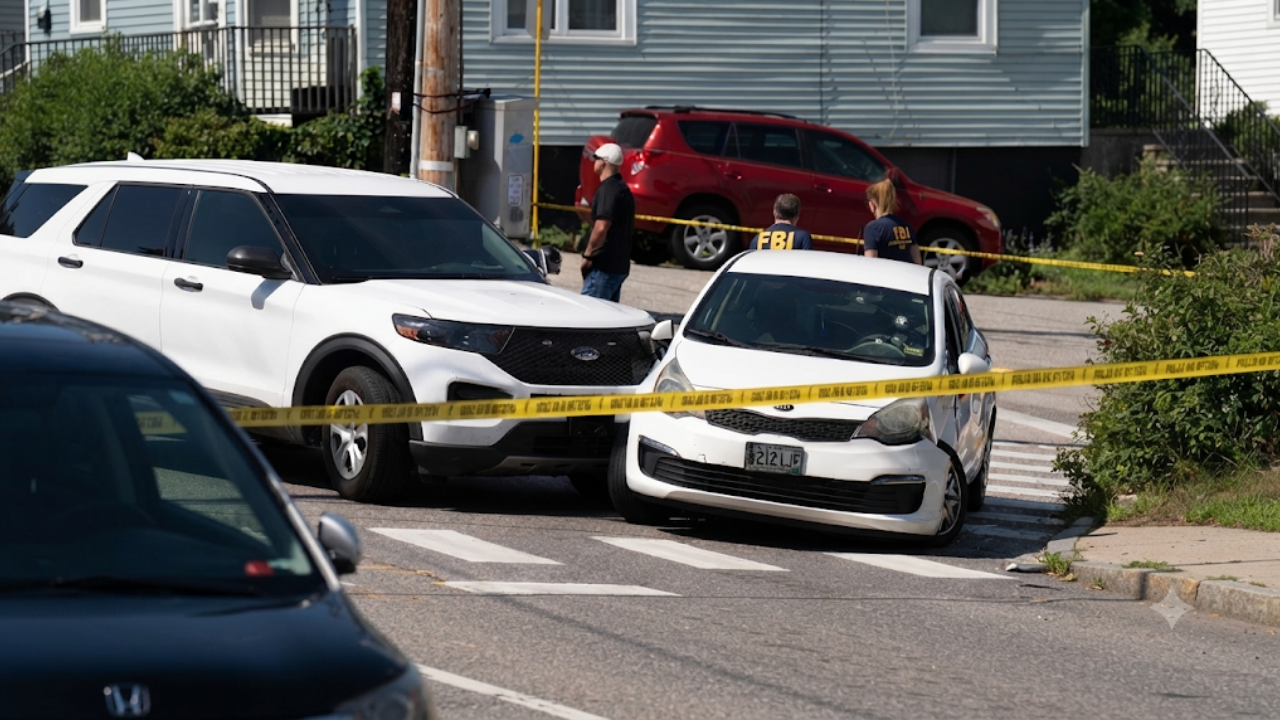
Crime and court developments continue to make headlines across the United States as investigators pursue homicide suspects, search for missing individuals, and prosecutors present evidence in criminal courtrooms. Every investigation follows a careful legal process, beginning with the collection of evidence and continuing through arrests, hearings, trials, and, when appropriate, sentencing.
Recent reports have highlighted a variety of criminal cases, including murder investigations, unresolved missing person searches, and courtroom proceedings involving serious felony charges. These cases not only affect victims and their families but also demonstrate how law enforcement agencies and the judicial system work together to pursue justice while protecting the legal rights of everyone involved.
Murder Investigations Continue as Authorities Gather Evidence
Murder investigations remain among the most complex responsibilities handled by law enforcement agencies. Detectives begin by securing the crime scene, documenting physical evidence, interviewing witnesses, reviewing surveillance footage, and conducting forensic examinations. Depending on the available evidence, investigators may execute search warrants, analyze digital devices, and work with crime laboratories before prosecutors decide whether criminal charges should be filed.
One recent case drawing significant attention involves the death of Victoria Castle, a 25-year-old doctoral student, in Massapequa, New York. According to prosecutors, Castle was allegedly strangled by her brother-in-law, Joseph Horner, after he asked her to help move a piano inside the family home. Investigators further alleged that Horner sexually assaulted the victim before contacting emergency services. He has pleaded not guilty to multiple charges, and the criminal case is continuing through the New York court system as prosecutors prepare additional evidence for future hearings.
Missing Person Investigations Remain a Top Priority
Missing person cases require immediate coordination between local police departments, sheriff’s offices, state agencies, and sometimes federal investigators. Officers work to establish the missing person’s last known location by reviewing surveillance footage, examining mobile phone records, interviewing family members and friends, and collecting information from the public. Early investigative efforts often prove critical in locating missing individuals safely.
Authorities also continue to investigate long-term disappearances that have remained unsolved for years. Advances in DNA technology, digital forensics, and genealogy have helped reopen several cold cases across the country. Investigators frequently ask the public to provide new information, emphasizing that even seemingly minor details can help establish timelines, identify witnesses, or uncover previously overlooked evidence that could move an investigation forward.
Criminal Trials and Court Proceedings Move Forward
Once criminal charges are filed, cases enter the judicial system where judges oversee hearings designed to ensure fair legal proceedings. Defendants typically appear for arraignments, bail hearings, preliminary examinations, motion hearings, plea negotiations, jury trials, and sentencing if convicted. Throughout the process, prosecutors present evidence supporting the charges, while defense attorneys challenge evidence and advocate on behalf of their clients.
Many high-profile criminal cases continue receiving public attention as new evidence is introduced and witnesses testify in court. Some cases conclude with guilty pleas or jury verdicts, while others proceed through lengthy appeals. Courts carefully evaluate forensic reports, witness credibility, expert testimony, and legal arguments before reaching decisions, reinforcing the importance of due process within the American criminal justice system.
| Crime & Court News Overview | Details |
|---|---|
| Coverage | Murders, Missing Persons, Criminal Trials |
| Primary Focus | Investigations, Arrests, Court Proceedings |
| Agencies Involved | Local Police, Sheriff’s Offices, Prosecutors, Courts |
| Common Evidence | DNA, Digital Records, Surveillance Video, Witness Testimony |
| Legal Stages | Investigation, Charges, Hearings, Trial, Sentencing, Appeals |
| Public Role | Reporting Tips, Witness Cooperation, Community Awareness |
Murder investigations, missing person cases, and criminal court proceedings remain central to public safety and the pursuit of justice. Each investigation requires extensive evidence collection, forensic analysis, witness interviews, and legal review before courts determine the outcome of criminal charges. While some cases progress quickly, others require months or years before investigators gather sufficient evidence to resolve them.
As new developments emerge, law enforcement agencies continue working alongside prosecutors, forensic experts, and the courts to ensure investigations are thorough and legally sound. Families of victims and missing persons continue seeking answers, while courtroom proceedings provide the legal framework for determining responsibility and delivering justice based on the evidence presented.
FAQ’s:
What is the first step in a murder investigation?
Police secure the crime scene, collect evidence, interview witnesses, and begin establishing a timeline before identifying potential suspects.
How are missing person investigations conducted?
Investigators review surveillance footage, analyze digital records, interview relatives and friends, organize searches, and request information from the public.
What happens after someone is charged with murder?

The defendant typically appears in court for arraignment, followed by hearings, possible plea negotiations, trial, and sentencing if convicted.
Why do some criminal cases take years to resolve?
Complex forensic testing, multiple witnesses, legal motions, appeals, and extensive investigations can significantly lengthen criminal proceedings.
How can the public assist criminal investigations?
People can provide credible tips, share relevant information with investigators, and cooperate with law enforcement if they have witnessed events related to an active case.