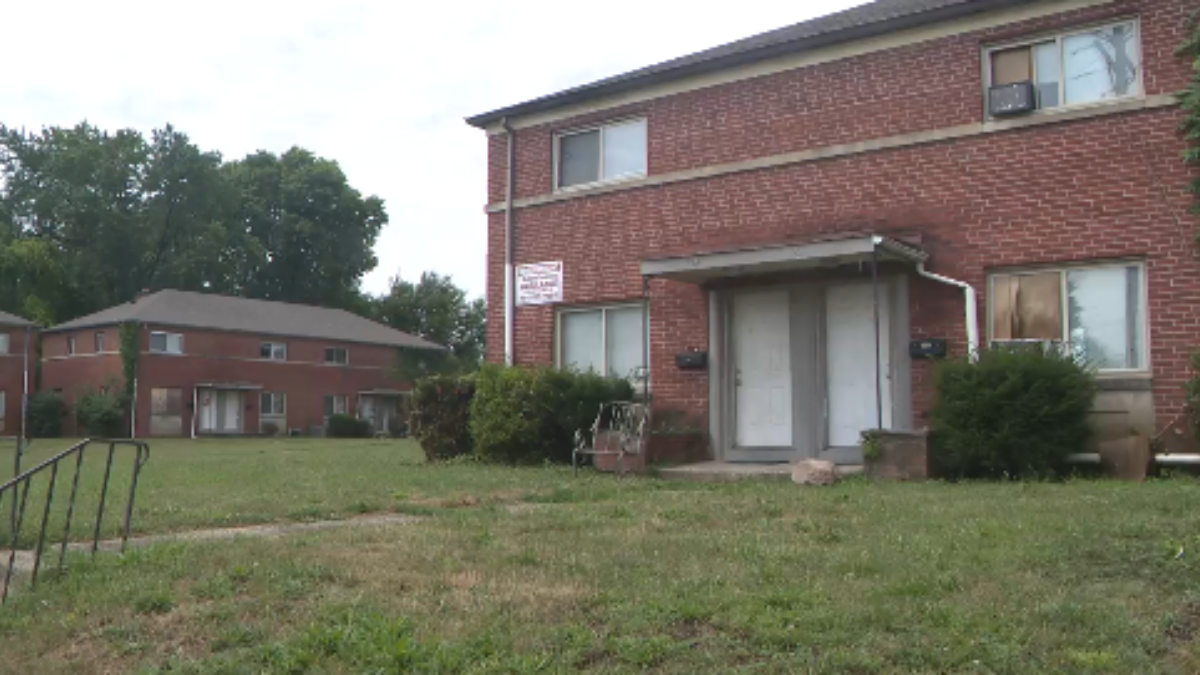
The City of Columbus, Ohio, has filed a lawsuit against the owner of a West Side apartment complex, alleging a long history of criminal activity, repeated housing and property code violations, and unpaid property taxes. City officials argue that the conditions at the property have negatively affected residents and the surrounding neighborhood, prompting legal action aimed at forcing corrective measures.
The lawsuit, announced by the Columbus City Attorney’s Office, seeks judicial intervention to address what officials describe as persistent public safety concerns and failures to maintain the property in compliance with local regulations. The case reflects the city’s broader effort to hold property owners accountable when residential buildings become the focus of repeated criminal activity and code enforcement actions.
City Alleges Ongoing Crime and Property Neglect
According to the lawsuit, city officials contend that the apartment complex on the West Side of Columbus, Franklin County, Ohio, has experienced repeated criminal incidents over an extended period. Authorities allege that law enforcement officers have responded to numerous calls for service involving the property, contributing to ongoing public safety concerns for tenants and neighboring residents.
In addition to allegations of criminal activity, the city claims the property has accumulated numerous housing and building code violations. Inspectors reportedly documented maintenance deficiencies and conditions that allegedly failed to meet municipal safety standards. Officials argue that repeated enforcement efforts did not result in lasting compliance, leading the city to pursue legal remedies through the court system.
Lawsuit Cites Code Violations and Unpaid Taxes
The complaint also alleges that the property owner failed to address outstanding code violations while accumulating unpaid property taxes. City officials argue that these unresolved financial and regulatory issues demonstrate a pattern of neglect that has affected both the condition of the apartment complex and the surrounding community.
Municipal officials say unpaid taxes reduce resources available for public services, while unresolved code violations may create health and safety concerns for residents. Through the lawsuit, the city seeks court-ordered relief that could require corrective action, financial accountability, or additional legal remedies permitted under Ohio law.
City Seeks Accountability Through the Courts
The lawsuit filed by the Columbus City Attorney’s Office requests judicial intervention to compel compliance with local housing and property maintenance regulations. Depending on the outcome of the case, the court could require the owner to correct violations, pay outstanding obligations, or comply with additional legal requirements intended to improve conditions at the property.
City Attorney Zach Klein said the legal action reflects the city’s commitment to protecting neighborhoods from deteriorating properties that become centers of repeated criminal activity. Officials emphasized that property owners have legal responsibilities to maintain safe living conditions and comply with applicable tax and housing laws.
Broader Impact on Neighborhood Safety
City leaders say nuisance properties can have consequences beyond the immediate apartment complex, affecting nearby homeowners, businesses, and community development efforts. Repeated criminal activity, neglected buildings, and unresolved maintenance issues may reduce neighborhood confidence and place additional demands on police, fire, and code enforcement agencies.
Officials indicated that enforcement efforts will continue against properties that repeatedly violate municipal regulations. They also encouraged landlords to proactively address maintenance concerns, cooperate with inspections, and work with city agencies to resolve violations before legal action becomes necessary. The lawsuit is part of a broader strategy to improve neighborhood safety and maintain housing standards across Columbus, Ohio.
| Case Overview | Details |
|---|---|
| Legal Action | Civil lawsuit filed by the City of Columbus |
| Location | West Side, Columbus, Franklin County, Ohio |
| Plaintiff | Columbus City Attorney’s Office |
| Allegations | Crime, housing code violations, unpaid property taxes |
| Property Type | Apartment complex |
| Objective | Court-ordered compliance and accountability |
| Current Status | Civil lawsuit pending |
The City of Columbus, Ohio, is pursuing legal action against the owner of a West Side apartment complex, alleging persistent criminal activity, repeated housing code violations, and unpaid property taxes. Officials argue that the lawsuit is necessary to protect residents, improve neighborhood safety, and ensure that landlords meet their legal obligations under local regulations.
As the case proceeds through the court system, the city will seek judicial remedies intended to address the alleged problems at the property. The outcome may influence future enforcement efforts involving other properties with similar histories of code violations and public safety concerns, reinforcing Columbus’ broader initiative to improve housing conditions and neighborhood quality of life.
FAQ’s:
Why did the City of Columbus file the lawsuit?
The city alleges that the apartment owner failed to address repeated criminal activity, housing code violations, and unpaid property taxes, prompting legal action.
Where is the apartment complex located?
The property is located on the West Side of Columbus, Franklin County, Ohio.
What does the city hope to achieve through the lawsuit?

Officials are seeking court-ordered compliance, correction of code violations, accountability for unpaid obligations, and improvements to the property’s overall condition.
Who filed the legal action?
The lawsuit was filed by the Columbus City Attorney’s Office, led by City Attorney Zach Klein.
Has the court ruled on the case?
No. The lawsuit has been filed, and the matter remains pending before the court while legal proceedings continue.