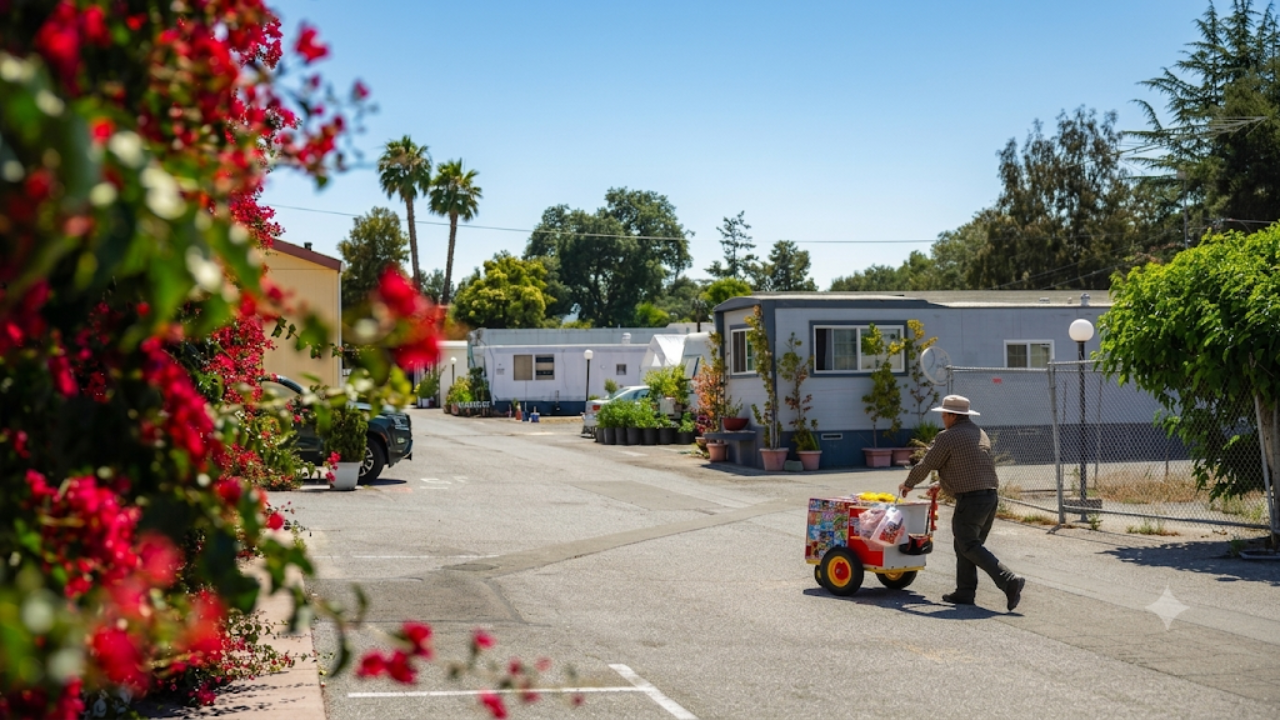
CALIFORNIA, USA — California launched an ambitious effort to preserve some of its aging mobile home parks by providing financial assistance for critical infrastructure upgrades, aiming to protect one of the state’s most affordable housing options. The initiative sought to address decades of neglected maintenance in parks with deteriorating roads, failing water and sewer systems, outdated electrical infrastructure, and other safety concerns that threatened residents’ quality of life.
The funding program was designed to help park owners and local communities complete expensive repairs that many residents could not afford on their own. Mobile home parks provide housing for thousands of Californians, including retirees, low-income families, and individuals living on fixed incomes. Officials hoped that investing in infrastructure would preserve these communities while preventing park closures that could worsen California’s housing shortage.
However, as projects moved forward, the results proved mixed. While many communities benefited from long-overdue improvements, others encountered delays, rising construction costs, administrative hurdles, and concerns over whether investments alone could solve broader affordability challenges.
State Program Targets Aging Infrastructure
California’s assistance program focused on improving essential infrastructure in older mobile home parks, many of which were built decades ago and had reached the end of their intended service life. Funding was directed toward repairing drinking water systems, replacing aging sewer lines, upgrading electrical equipment, resurfacing roads, improving drainage systems, and addressing other health and safety issues.
Officials viewed the investment as an opportunity to preserve existing affordable housing rather than relying solely on expensive new construction. Because replacing mobile home parks with new housing developments is often difficult and costly, maintaining current communities became an important part of California’s broader housing strategy.
Residents in several participating parks reported noticeable improvements after construction projects were completed, including safer utilities, better road conditions, and reduced risks of service interruptions. Local officials said the upgrades also improved compliance with state health and safety regulations.
Despite these successes, not every park was able to move through the process quickly, with some projects delayed by permitting requirements, contractor shortages, and increasing material costs.
Residents Welcome Improvements but Challenges Remain
For many residents, the infrastructure upgrades represented long-awaited improvements that enhanced both safety and everyday living conditions. Reliable water service, improved sewer systems, and upgraded electrical infrastructure reduced concerns about breakdowns that had become increasingly common in aging parks.
Many mobile home residents expressed appreciation for the state’s willingness to invest in communities that often receive little public attention. Some noted that without financial assistance, necessary repairs would likely have remained unaffordable for both residents and park operators.
However, infrastructure improvements did not eliminate every challenge facing mobile home communities. Residents continued to express concerns about rising space rents, increasing utility costs, insurance expenses, and long-term housing affordability. Some worried that improved infrastructure could eventually contribute to higher operating costs that might be passed on through rent increases.
Housing advocates emphasized that preserving affordable housing requires not only infrastructure investment but also policies addressing affordability, tenant protections, and long-term community stability.
Funding Program Highlights Broader Housing Issues
The mobile home park initiative also underscored California’s larger housing challenges. State officials acknowledged that mobile home communities play an increasingly important role in providing affordable housing as home prices and apartment rents continue to rise across many parts of California.
Experts noted that preserving existing affordable housing is often more cost-effective than building entirely new developments. Infrastructure grants can extend the life of older communities while helping residents remain in neighborhoods where they have established social and family connections.
At the same time, analysts pointed out that continued investment will likely be necessary as many parks still require additional repairs beyond the scope of current funding. Long-term planning, sustainable financing, and partnerships among state agencies, local governments, park owners, and residents may be essential to ensure continued improvements.
The experience has become part of California’s ongoing effort to balance infrastructure modernization with affordable housing preservation.
Mobile Home Park Program Overview
| Category | Details |
|---|---|
| Program Focus | Infrastructure improvements for aging mobile home parks |
| Location | California, USA |
| Primary Goal | Preserve affordable housing through infrastructure investment |
| Improvements | Water systems, sewer lines, roads, drainage, electrical upgrades |
| Beneficiaries | Mobile home park residents and communities |
| Challenges | Rising costs, project delays, permitting, contractor shortages |
| Long-Term Concerns | Housing affordability and park sustainability |
| Government Objective | Prevent park closures and improve public safety |
| Community Response | Generally positive, with ongoing affordability concerns |
| Current Status | Infrastructure improvements continue at participating parks |
California’s investment in aging mobile home parks demonstrates both the opportunities and complexities involved in preserving affordable housing. By funding critical infrastructure improvements, the state has helped many communities address longstanding safety concerns while extending the useful life of existing housing.
At the same time, the experience shows that infrastructure upgrades alone cannot resolve every challenge facing mobile home residents. Rising housing costs, operational expenses, and long-term maintenance needs continue to affect many communities. Policymakers, housing advocates, and local governments are likely to continue evaluating how future investments can better balance infrastructure improvements with affordability and resident protections.
As California searches for solutions to its ongoing housing shortage, the state’s mobile home park preservation efforts may serve as an important model for future affordable housing initiatives.
FAQ’s:
What was California’s mobile home park initiative?
The state created a program to fund infrastructure improvements in aging mobile home parks to preserve affordable housing.
What types of improvements were funded?
Projects included upgrades to water systems, sewer lines, electrical infrastructure, roads, drainage, and other essential utilities.
Why are mobile home parks important?

They provide affordable housing for thousands of Californians, including seniors, low-income families, and residents on fixed incomes.
What challenges did the program face?
Projects encountered delays due to rising construction costs, permitting requirements, contractor shortages, and ongoing affordability concerns.
Has the program solved all problems?
No. While many parks benefited from infrastructure improvements, issues such as rising housing costs, rent affordability, and future maintenance remain ongoing challenges.