
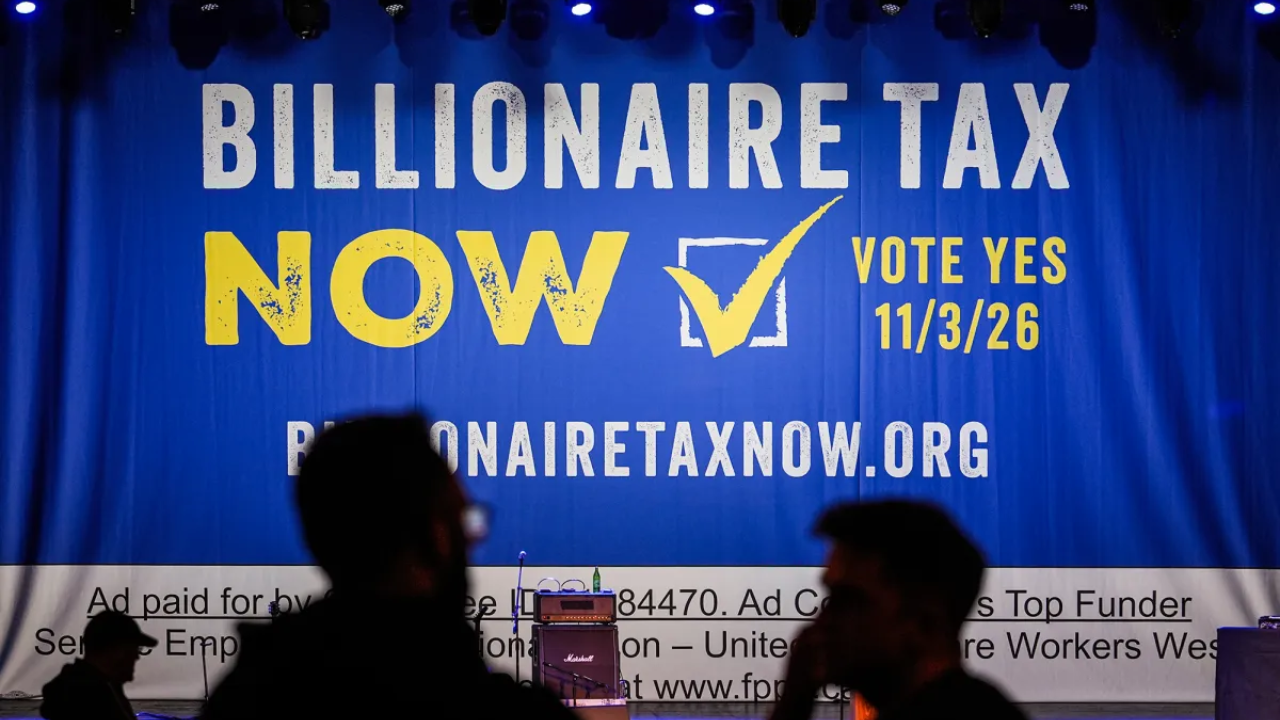
SACRAMENTO, California — California voters are expected to decide the future of a proposed billionaire tax after negotiations aimed at removing the measure from the statewide ballot failed to produce an agreement before a key deadline. With no compromise reached among state leaders, initiative supporters, and other stakeholders, the proposal will move forward, setting the stage for one of the state’s most closely watched tax and fiscal policy debates.
The measure seeks to impose additional taxes on the wealth or investment gains of California’s wealthiest residents, with supporters arguing that the revenue could strengthen public services and help address budget priorities. Opponents, however, warn that the proposal could discourage investment, encourage wealthy individuals to relocate, and negatively affect California’s business climate.
The expiration of the deadline effectively ended efforts to negotiate an alternative legislative solution that might have persuaded supporters to withdraw the initiative. As a result, California voters will have the opportunity to decide the proposal at the ballot box during the next statewide election.
The development represents another significant chapter in California’s ongoing debate over taxation, income inequality, and public investment, issues that have frequently shaped state politics and fiscal policy in recent years.
Negotiations End Without an Agreement
State officials and various interest groups had spent weeks exploring whether a compromise could be reached before the legal deadline governing ballot withdrawals. Discussions reportedly focused on possible legislative alternatives, tax reforms, and budget commitments that could satisfy supporters without requiring a statewide vote.
Despite those efforts, negotiators failed to finalize an agreement before the deadline expired. Under California election rules, the missed deadline means the initiative remains on the ballot, allowing voters rather than lawmakers to determine its future.
Supporters of the proposal argued that the measure remains necessary because California faces growing fiscal demands in areas including education, healthcare, housing, infrastructure, and climate resilience. They contend that the state’s wealthiest residents are financially capable of contributing additional revenue toward public investments.
Opponents maintained that existing tax burdens are already among the nation’s highest and argued that introducing another tax targeting billionaires could have unintended economic consequences. Business organizations and investment groups expressed concerns that additional taxation might reduce competitiveness and influence long-term investment decisions.
With negotiations concluded, both supporters and opponents are expected to begin statewide campaigns aimed at persuading voters ahead of Election Day.
What the Billionaire Tax Proposal Would Do
Although final ballot language will define the proposal’s exact provisions, the initiative generally seeks to increase tax obligations for California’s wealthiest individuals by applying additional taxes related to significant wealth or investment income.
Advocates argue that the proposal addresses widening wealth inequality while generating substantial revenue for public priorities. Supporters believe those with the greatest financial resources should contribute a larger share toward maintaining public services and supporting long-term economic development.
Potential funding generated by the measure could be directed toward programs such as education, healthcare, affordable housing, homelessness initiatives, climate adaptation projects, transportation improvements, or other state priorities, depending on the initiative’s final implementation requirements.
Critics question whether projected revenue estimates would be realized. Some economists note that high-income taxpayers often have greater flexibility in managing investments, relocating residences, or adjusting financial strategies in response to tax policy changes.
The debate also extends beyond California, as policymakers in other states continue monitoring discussions surrounding wealth taxation, fiscal equity, and government revenue generation.
Economic and Political Implications Ahead of the Vote
The upcoming ballot campaign is expected to become one of California’s highest-profile political contests. Advocacy organizations, business groups, labor unions, community organizations, and taxpayer associations are likely to invest significant resources in educating voters and promoting their respective positions.
Supporters are expected to emphasize themes of economic fairness, public investment, and reducing wealth disparities. Campaign messaging will likely argue that additional revenue can strengthen essential government programs while asking the state’s wealthiest residents to contribute more toward shared public needs.
Opponents are expected to focus on concerns regarding economic competitiveness, investment, entrepreneurship, and potential taxpayer migration. Business leaders may argue that California should prioritize policies encouraging innovation and job creation rather than increasing tax burdens on investors and business owners.
Political analysts believe the campaign could influence broader discussions regarding taxation, economic inequality, and government spending both within California and nationally. The outcome may also serve as a reference point for similar proposals considered elsewhere in the United States.
Regardless of the final result, the measure highlights continuing debates over how states should balance revenue generation, economic growth, and fiscal responsibility in an evolving economy.
California Billionaire Tax Proposal Overview
| Detail | Information |
|---|---|
| Proposal | California Billionaire Tax Initiative |
| Location | California |
| Status | Ballot Measure to Proceed |
| Reason | Negotiation Deadline Passed Without Agreement |
| Main Objective | Increase Taxes on Wealthiest Residents |
| Supporters’ Position | Raise Revenue for Public Programs |
| Opponents’ Position | Protect Investment and Economic Competitiveness |
| Decision Maker | California Voters |
| Major Debate | Taxation and Wealth Inequality |
| Next Step | Statewide Ballot Vote |
California’s billionaire tax proposal is now set to move forward to voters following the expiration of a key negotiation deadline. The failure to reach a compromise means one of the state’s most consequential fiscal policy questions will be decided through the ballot process rather than legislative action.
The initiative reflects broader national conversations surrounding wealth inequality, taxation, government spending, and economic competitiveness. Supporters believe the proposal represents an opportunity to generate additional resources for essential public services, while opponents warn about possible effects on investment and business confidence.
As the campaign unfolds, voters will hear competing arguments regarding the state’s fiscal future and the role of high-income taxpayers in funding government priorities. Economic analyses, public debates, and political advertising are expected to intensify as Election Day approaches.
Whatever the outcome, the ballot measure is likely to shape California’s tax policy discussion for years to come while drawing national attention as other jurisdictions consider similar approaches to addressing fiscal challenges and wealth disparities.
FAQ’s:
Why will the billionaire tax appear on the ballot?
Negotiations to reach an alternative agreement ended without a deal before the legal deadline, allowing the initiative to proceed to voters.
What is the purpose of the proposal?
The measure seeks to increase taxes on California’s wealthiest residents to generate additional revenue for public priorities.
Why do supporters back the initiative?

Supporters argue it could reduce wealth inequality and provide funding for education, healthcare, housing, infrastructure, and other public services.
Why do opponents oppose the proposal?
Critics believe higher taxes could discourage investment, reduce business competitiveness, and encourage wealthy individuals to relocate.
Who will decide whether the proposal becomes law?
California voters will determine the measure’s future during the statewide ballot election.