
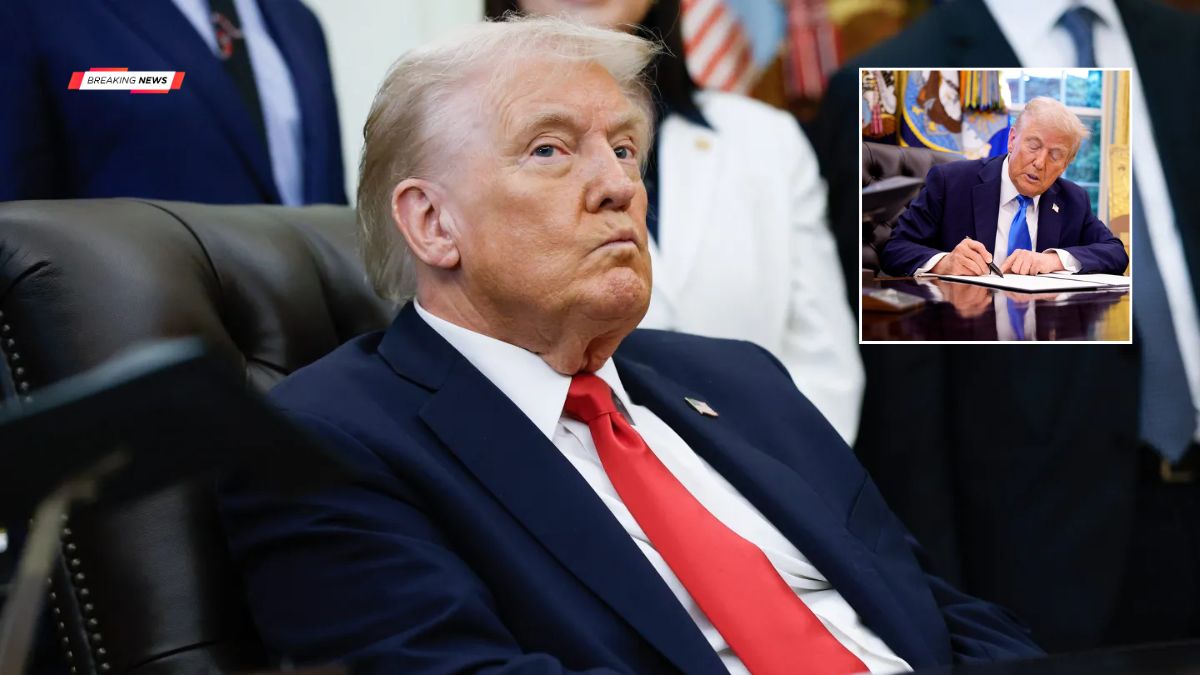
The Trump administration has significantly expanded the use of civil fines against immigrants who remain in the United States after receiving a final deportation order. While the authority to impose these penalties has existed for decades, officials are now enforcing it on a much larger scale.
According to the Department of Homeland Security (DHS), the policy is intended to encourage individuals with final removal orders to leave the country voluntarily or face accumulating financial penalties.
Policy
Federal law has allowed civil fines for immigrants who fail to comply with deportation orders since 1996.
Although the authority existed for years, the current Trump administration has expanded its enforcement. A similar effort during President Donald Trump’s first term encountered legal and administrative challenges.
Under the policy, eligible individuals may face civil penalties of up to $998 per day for remaining in the country after a judge has ordered their removal.
Fines
The daily penalties can grow quickly over time.
According to DHS, fines may eventually total as much as $1.8 million per individual in some cases, depending on how long a person remains in the United States after receiving a final removal order.
| Fine Details | Amount |
|---|---|
| Maximum Daily Fine | Up to $998 |
| Potential Total Penalty | Up to $1.8 million per person |
Enforcement
The Department of Homeland Security said Immigration and Customs Enforcement (ICE) has issued more than 103,000 fines since January 2025.
According to the agency, the total value of those penalties exceeds $84 billion on paper. Officials also reported collecting more than $1.2 million so far.
| Enforcement Statistics | Reported Figure |
|---|---|
| Fines Issued | More than 103,000 |
| Total Value | Over $84 billion |
| Amount Collected | More than $1.2 million |
Notices
Officials said many fine notices are mailed together with information promoting a government self-deportation app.
The accompanying materials explain that individuals who voluntarily leave the country may qualify for forgiveness of the civil fines.
DHS has not disclosed how many immigrants, if any, have chosen to self-deport to avoid the financial penalties.
Legal
Immigrant advocacy organizations have challenged the policy in federal court.
The lawsuits argue that the fines are unconstitutional and place improper pressure on individuals pursuing other forms of immigration relief.
The federal government maintains that remaining in the United States while seeking additional immigration remedies does not exempt individuals from the penalties if they have a final order of removal.
Outlook
The expanded use of civil fines marks a significant change in immigration enforcement under the Trump administration. As legal challenges move through the courts, the policy’s long-term future may depend on judicial rulings and any future changes to federal immigration enforcement priorities.