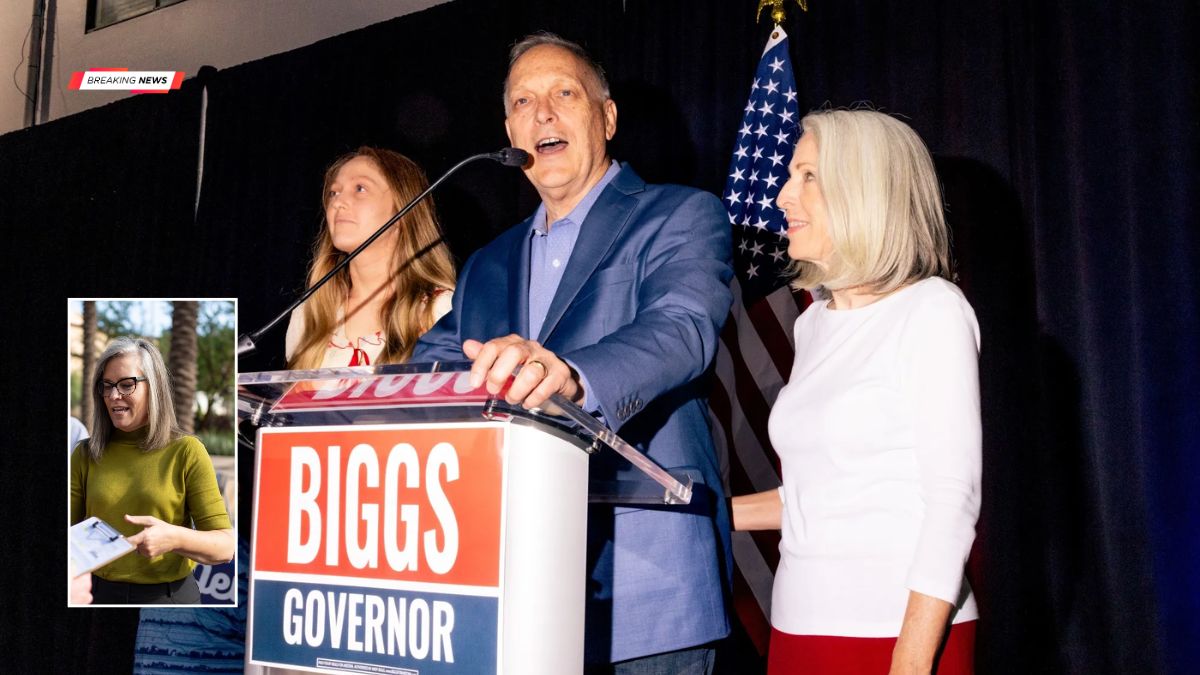
Healthcare and abortion rights are emerging as key issues in Arizona’s race for governor, with a group of doctors and healthcare advocates urging voters to closely examine Republican nominee Andy Biggs’ record on both topics.
Biggs, a Republican congressman, is set to face Democratic Gov. Katie Hobbs in the November election. The two candidates have taken significantly different positions on abortion access and healthcare policy, making the issues central to the campaign.
Concerns
During an online news conference organized by the Committee to Protect Health Care, several Arizona physicians criticized Biggs’ voting record and legislative positions.
The organization, which advocates for accessible and affordable healthcare, said Biggs’ record raises concerns about future access to healthcare services and reproductive care in Arizona.
Doctors participating in the event encouraged voters to consider how healthcare policies could affect patients across the state.
Abortion
One of the main issues discussed was abortion access.
Dr. Danielle Allen-Herried, an OB-GYN in Chandler, said Arizona voters approved Proposition 139 in 2024 to protect abortion rights in the state constitution. The measure guarantees the right to obtain an abortion until fetal viability, generally considered between 23 and 24 weeks of pregnancy.
She said healthcare providers remain concerned that future state or federal actions could affect access to reproductive healthcare despite the constitutional amendment.
According to the doctors, Biggs supported Arizona abortion restrictions while serving in the state legislature and has co-sponsored federal legislation aimed at restricting abortion access during his time in Congress.
Contrast
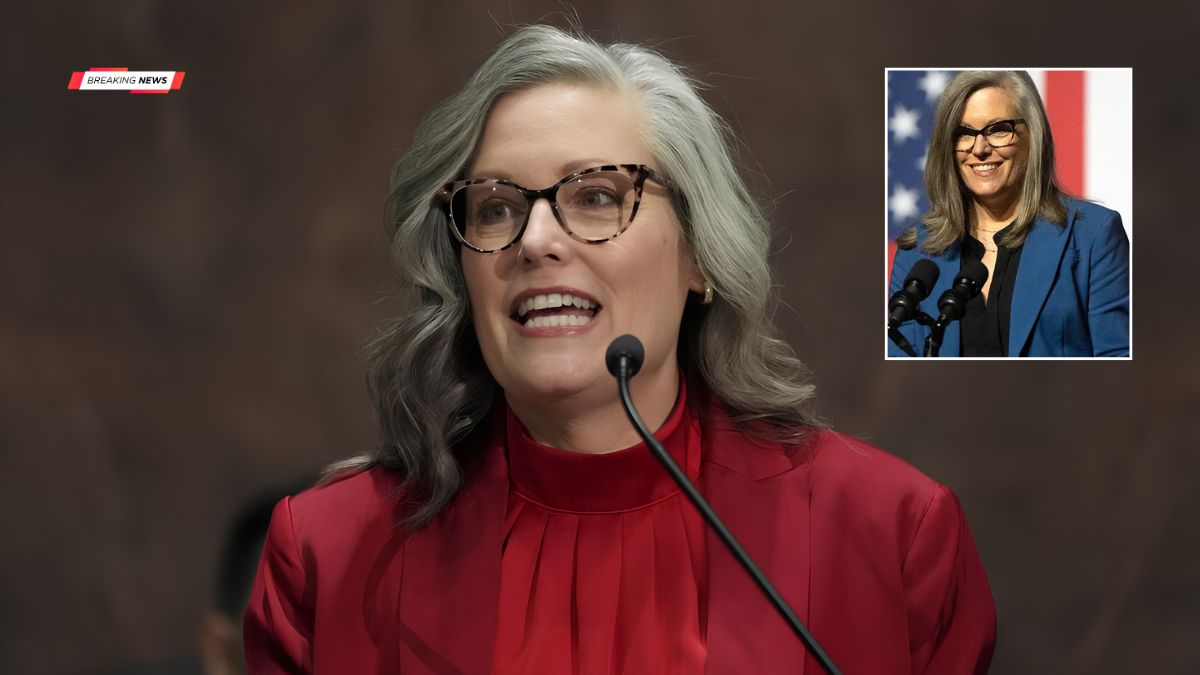
Gov. Katie Hobbs has taken a different approach during her first term.
After taking office, Hobbs vetoed several abortion-related bills passed by the Republican-controlled Legislature. She also signed an executive order preventing county attorneys from prosecuting abortion patients or healthcare providers while legal challenges surrounding Arizona’s abortion laws were ongoing.
The differing records have become a major point of contrast between the two candidates heading into the general election.
Healthcare
Doctors also criticized Biggs’ support for federal healthcare legislation that included reductions to Medicaid spending and allowed Affordable Care Act premium tax credits to expire.
Healthcare advocates argue the changes could reduce insurance coverage for many Americans and place additional financial pressure on hospitals.
| Healthcare Issue | Reported Impact |
|---|---|
| Medicaid funding reductions | Projected loss of coverage for millions nationwide |
| Expired ACA premium tax credits | More than 121,000 Arizonans reportedly dropped health insurance plans |
| Arizona hospitals | Up to eight hospitals could face service reductions or closure, according to health policy experts |
Campaign
Biggs’ campaign defended his position on Medicaid reforms.
In a statement, senior campaign adviser Drew Sexton said the congressman supported changes designed to direct Medicaid funding to eligible recipients and argued Arizona’s Medicaid program requires reform.
The campaign also criticized Gov. Hobbs’ handling of the state’s Medicaid system, although it did not provide evidence supporting claims of widespread fraudulent spending.
The campaign did not respond to questions regarding whether Biggs would support additional abortion restrictions if elected governor.
Election
Healthcare and abortion rights are expected to remain major campaign issues through Election Day as Arizona voters compare the candidates’ positions.
Supporters of Gov. Hobbs point to her actions protecting abortion access and defending healthcare programs, while Biggs’ campaign says its proposals focus on reforming government programs and improving accountability.
With voters set to choose Arizona’s next governor in November, the debate over healthcare funding and reproductive rights is likely to remain at the forefront of the campaign.