Arizona has become one of the first major examples of how recent changes to the Supplemental Nutrition Assistance Program (SNAP) are affecting households across the country. Hundreds of thousands of residents who previously received food assistance have lost benefits following changes tied to President Donald Trump’s budget plan.
The policy shift has moved a national debate about government spending and eligibility rules into everyday decisions for families trying to manage grocery costs, household bills, and other expenses.
Supporters say the changes are designed to improve oversight, reduce misuse, and encourage workforce participation. Critics argue the new rules could increase food insecurity and place additional pressure on charities and community organizations.
Shift
Arizona has seen a significant decline in SNAP participation since the new rules began taking effect. More than 440,000 residents who previously received assistance have reportedly been removed from the program.
The state has become a closely watched example because it moved quickly to implement stricter eligibility requirements and enforcement measures.
Federal officials have pointed to Arizona’s approach as an example of stronger program management. Meanwhile, opponents say the changes show how quickly stricter rules can affect families who depend on monthly food assistance.
Impact
For many households, losing SNAP benefits changes how they handle basic expenses.
Families that previously used monthly assistance to buy groceries may now have to adjust meal plans, reduce purchases, or make difficult choices between food and other costs such as rent, transportation, utilities, and medical bills.
The effects are also being felt by organizations that provide emergency food support. Food banks and nonprofit groups are seeing increased attention from people who need help after losing government assistance.
| Area | Possible Effect |
|---|---|
| Families | Less money available for groceries |
| Food banks | Increased demand for emergency assistance |
| Retailers | Reduced spending from SNAP customers |
| States | More responsibility for program administration |
Rules
The changes come from President Trump’s “One Big Beautiful Bill,” which introduced major adjustments to SNAP policies.
The legislation included tighter eligibility standards, expanded work requirements for some recipients, and increased state responsibility for managing aspects of the program.
Supporters say these changes are intended to make SNAP more focused and ensure benefits go to people who meet program requirements.
Critics argue that stricter rules may remove assistance from people who still need help but struggle with paperwork, changing work situations, transportation challenges, or administrative deadlines.
Work
Work requirements have become one of the most debated parts of the SNAP changes.
The updated rules affect certain able-bodied adults without children and limit some exemptions that previously allowed people to receive benefits without meeting employment requirements.
Supporters believe these requirements encourage people to enter or remain in the workforce.
Opponents argue that the rules may create barriers for people facing unstable employment, health concerns, or limited access to transportation. They say some individuals could lose benefits because of administrative issues rather than because they no longer need assistance.
Food
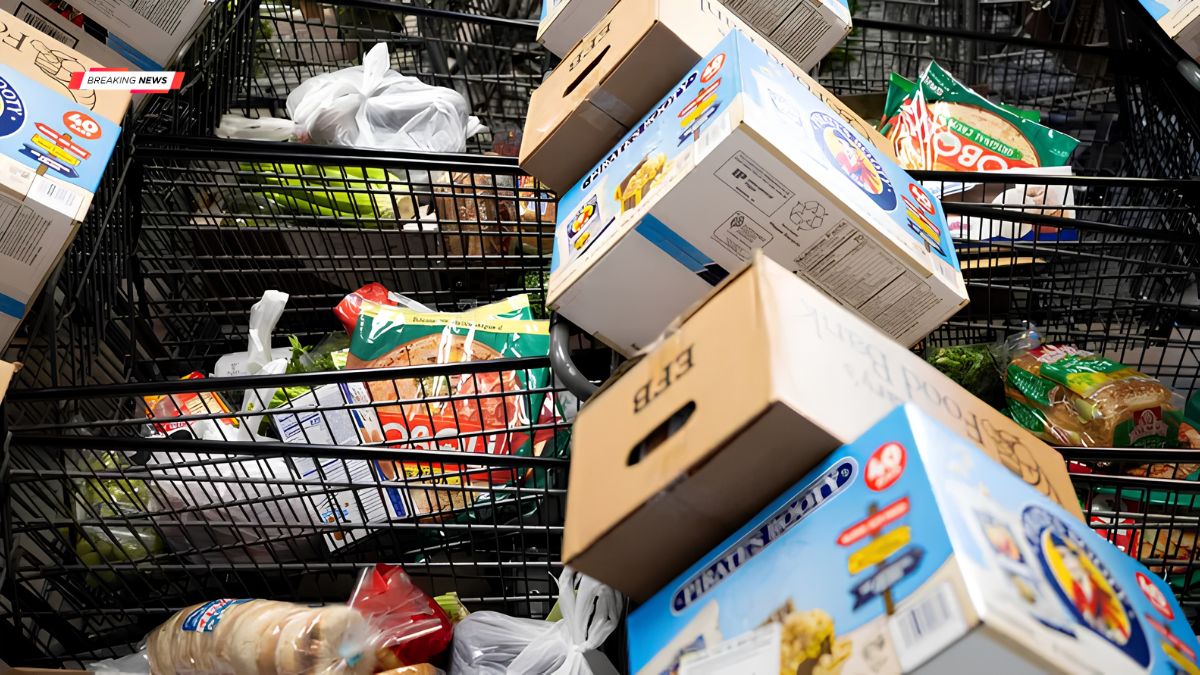
As SNAP enrollment declines, food banks are becoming an important source of support for some former recipients.
However, many nonprofit organizations say emergency food programs were not designed to replace a nationwide assistance system. Food banks can provide temporary help, but they may not offer the same consistency as monthly SNAP benefits.
Community organizations in Arizona are preparing for possible increases in demand as more families seek alternative sources of food support.
Economy
SNAP changes may also affect local economies because benefits are spent directly at grocery stores and food retailers.
When households lose food assistance, they may reduce spending at supermarkets and other businesses that accept SNAP payments.
The economic impact has become part of the broader discussion surrounding the policy changes. Supporters argue that reducing government spending benefits taxpayers, while critics say removing purchasing power from low-income households can affect local businesses and communities.
Politics
Arizona’s position as a major swing state has increased attention on the SNAP changes.
The impact on hundreds of thousands of residents has made the state a key example in discussions about government assistance, federal policy, and state-level enforcement.
Supporters view Arizona as evidence that stricter oversight can be implemented effectively. Critics see the state as a warning about the potential consequences of reducing access to food assistance.
Future
The changes in Arizona may offer an early indication of how SNAP reforms could affect other states.
As additional states adopt updated eligibility rules and work requirements, officials will monitor whether participation continues to decline and whether administrative challenges emerge.
The results will likely influence future debates about the balance between reducing government spending and maintaining support for families facing financial hardship.
Debate
The future of SNAP remains centered on a difficult policy question: how can the government improve efficiency while ensuring assistance remains available for people who genuinely need it?
The Trump administration argues that stronger requirements and oversight are necessary to protect the program. Critics say the changes could leave vulnerable households without enough support.
For Arizona families who have already lost benefits, the policy debate has become a daily reality. The coming months will show whether the changes create the savings supporters expect or increase pressure on communities trying to address food insecurity.
FAQs
How many lost SNAP benefits in Arizona?
More than 440,000 residents lost SNAP benefits.
Why did SNAP rules change?
The changes aimed to increase oversight and reduce costs.
What are SNAP work requirements?

They require some adults to meet employment rules.
Are food banks affected?
Many food banks may face higher demand.
Could other states see cuts?
Other states may adopt similar SNAP changes.