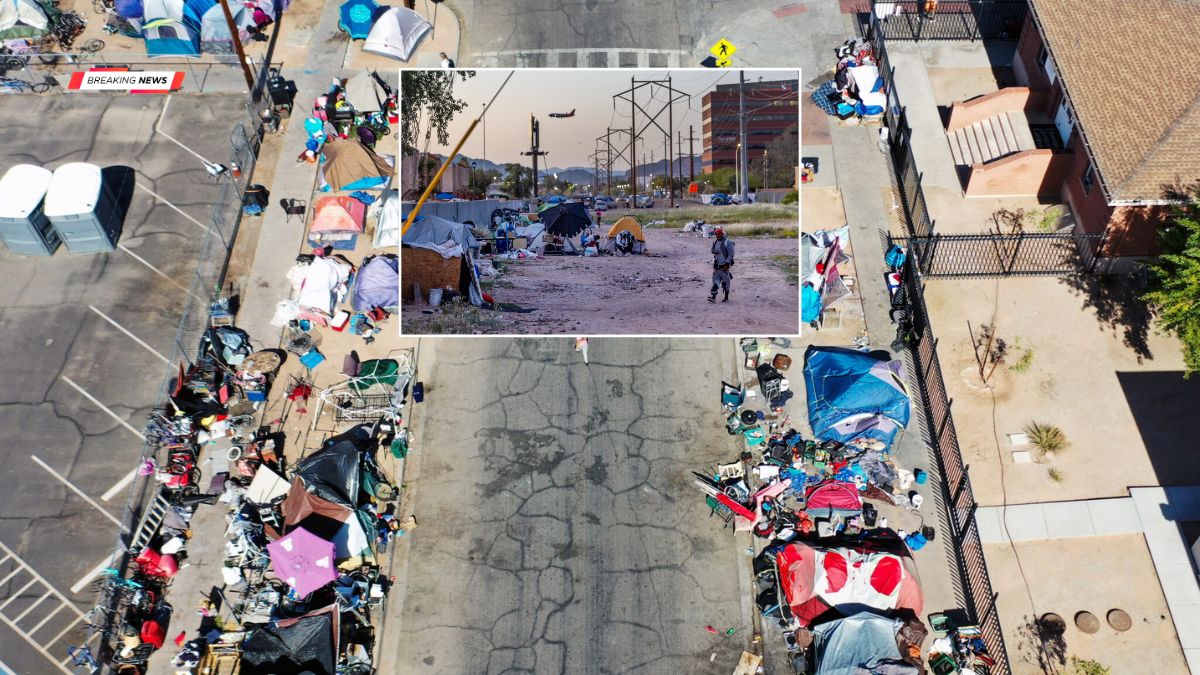
A recent discussion about homelessness solutions in Arizona has renewed debate over whether long-term progress depends more on shared vision or stronger systems. While many advocates support the goal of creating communities where everyone has access to housing, some experts argue that achieving that goal requires policy changes, funding, and infrastructure beyond public messaging.
Herb Paine, a homelessness policy consultant and former adviser to organizations working in the field, argues that a vision statement alone cannot address the complex causes of homelessness. He says solutions require coordinated systems involving housing, health care, behavioral health services, and government policy.
Debate
The discussion centers on the idea that a clear community vision can help guide homelessness efforts. Supporters of this approach believe that defining a shared goal can encourage collaboration among nonprofits, government agencies, and community organizations.
However, Paine argues that a vision should be viewed as a starting point rather than a complete strategy. In his opinion, a statement about ending homelessness does not automatically create affordable housing, improve mental health services, or change policies that contribute to housing instability.
He says homelessness programs need measurable strategies and long-term planning to move people from temporary support into permanent housing.
Shelter
One issue raised in the debate is the role of emergency shelters. Shelters provide important services by offering temporary safety, food, and support for people experiencing homelessness.
However, Paine points out that shelter is not the same as permanent housing. He argues that while increases in shelter access can represent progress, they do not necessarily show that people are finding long-term solutions.
He referenced data showing that only a portion of single adults leaving CASS shelter programs move into permanent housing. According to his argument, the challenge is not simply providing emergency services but creating pathways that lead to stable housing.
Systems
Paine identifies institutional discharge practices as one of the major factors contributing to homelessness.
Hospitals, correctional facilities, psychiatric programs, and foster care systems can sometimes release people without adequate housing plans or support services. Without coordinated transition programs, individuals may end up relying on shelters or emergency services.
He argues that homelessness often results from gaps between systems rather than individual choices. Improving communication and responsibility between agencies could help reduce the number of people entering homelessness after leaving institutions.
Health
Behavioral health services are another central part of the discussion. Paine points to challenges in Arizona’s mental health infrastructure and argues that limited resources can leave people moving between emergency rooms, shelters, and the justice system.
According to the Substance Abuse and Mental Health Services Administration, many people experiencing chronic homelessness also live with serious mental health conditions or substance use disorders.
Supporters of expanded services argue that stable housing can provide the foundation needed for treatment and recovery. The Housing First approach, used in communities across the country, focuses on placing people in housing first while connecting them with additional services.
Housing
Affordable housing availability remains one of the biggest challenges in addressing homelessness.
Paine cites Arizona’s housing shortage as a major barrier, arguing that communities cannot reduce homelessness without increasing the supply of affordable units.
Possible approaches include zoning changes, development on public land, affordable housing incentives, and expanded use of programs such as the Low-Income Housing Tax Credit.
The housing shortage affects not only people experiencing homelessness but also low-income households struggling to maintain stable housing.
Funding
The debate also focuses on how organizations and government agencies invest resources.
Paine argues that funders should support long-term systems improvements rather than only emergency services. While shelters and outreach programs remain necessary, he believes investments must also address the underlying conditions that create housing instability.
This includes funding affordable housing development, behavioral health programs, prevention efforts, and coordinated support systems.
Future
The discussion around homelessness in Arizona reflects a broader national challenge. Communities continue to balance immediate needs with efforts to create lasting solutions.
Organizations providing shelter and support services remain important parts of the response, but experts argue that broader policy changes are needed to reduce homelessness over time.
Addressing homelessness requires cooperation between government agencies, nonprofits, health providers, housing developers, and communities. A shared vision can help define the goal, but building the systems to reach that goal requires sustained investment and policy action.
FAQs
What is the homelessness debate about?
It focuses on vision versus system-based solutions.
Why is housing important?
Stable housing helps people access treatment and services.
What causes homelessness?

Causes include housing shortages, health issues, and system gaps.
What is Housing First?
It provides housing before requiring treatment or services.
What solutions are suggested?
Solutions include more housing, funding, and policy changes.