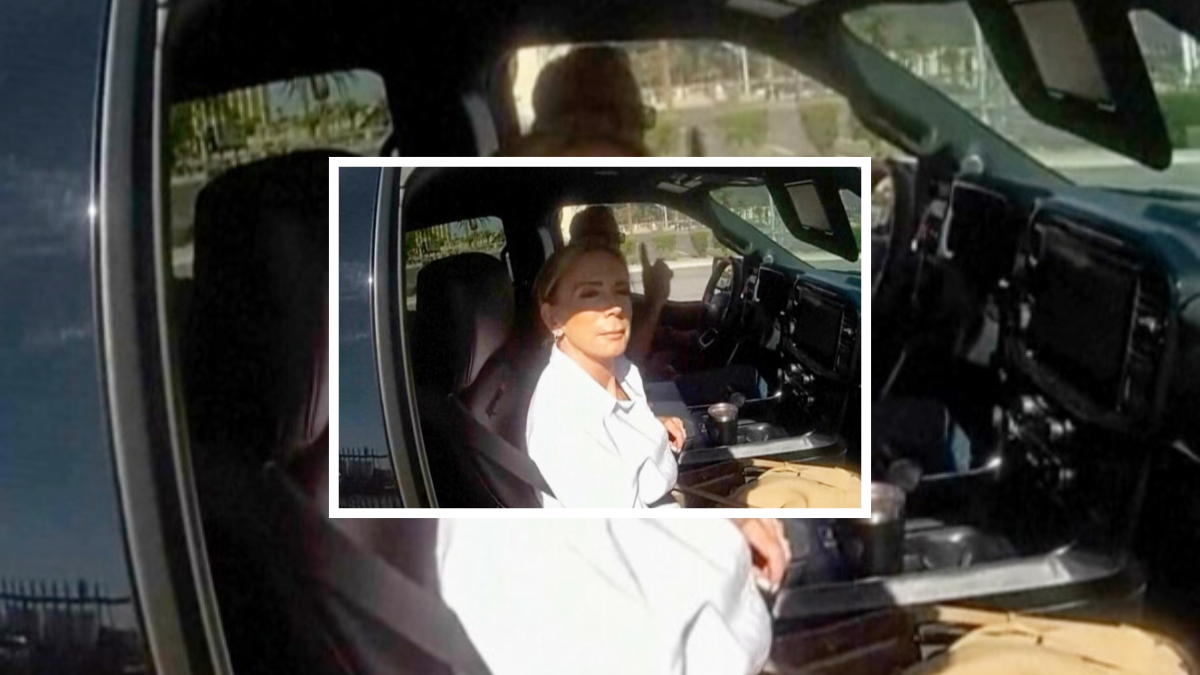
A Nevada resident has filed an ethics complaint against Nevada Governor Joe Lombardo, alleging that actions connected to a traffic stop warrant review under the state’s ethics laws. The complaint has drawn public attention because it involves the state’s highest elected official and raises questions about the conduct of public officials and the application of Nevada’s ethics standards.
The filing does not constitute a finding of wrongdoing. Instead, it formally asks the appropriate ethics authorities to review the circumstances surrounding the traffic stop and determine whether any provisions of Nevada’s ethics laws may have been violated. The matter is expected to proceed through the state’s established ethics review process.
Ethics Complaint Centers on Traffic Stop
According to the complaint, a Nevada resident alleges that Governor Joe Lombardo engaged in conduct during or related to a traffic stop that should be examined by state ethics officials. While the complaint outlines the allegations, the filing itself does not establish that any ethical or legal violation occurred.
Ethics complaints are commonly submitted when individuals believe a public official’s actions may conflict with applicable laws governing official conduct. Once filed, such complaints typically undergo an initial review to determine whether sufficient information exists to justify further examination under Nevada’s ethics statutes.
Nevada Ethics Process Explained
Nevada has established procedures for reviewing complaints involving elected officials and public employees. When an ethics complaint is submitted, the appropriate commission or reviewing authority generally evaluates whether the allegations fall within its jurisdiction and whether the complaint satisfies procedural requirements before moving forward.
If the complaint advances beyond the preliminary stage, investigators or commission members may review documents, gather evidence, interview witnesses, and consider legal arguments before determining whether additional proceedings are warranted. The process is designed to ensure fairness while protecting both the complainant and the official named in the complaint.
Governor’s Office and Legal Considerations
As of the filing, the complaint represents allegations that have not been proven through the ethics review process. Public officials who are the subject of ethics complaints generally have the opportunity to respond to the allegations, present supporting evidence, and participate in proceedings conducted under applicable state rules.
Legal experts note that ethics investigations differ from criminal proceedings. Rather than determining criminal guilt, ethics reviews examine whether public officials complied with laws, regulations, or standards governing official conduct. Any conclusions depend on the evidence reviewed and the legal standards applied during the investigation.
Case Highlights Public Accountability
The filing has renewed discussion about transparency, accountability, and oversight of elected officials in Nevada. Ethics review systems are intended to provide the public with a structured process for raising concerns while ensuring that allegations receive independent evaluation before conclusions are reached.
Observers note that complaints involving high-ranking government officials often attract significant public attention because they concern public confidence in government institutions. Regardless of the outcome, the review process is intended to ensure that allegations are considered objectively under established legal procedures.
| Case Overview | Details |
|---|---|
| Subject | Ethics complaint involving Governor Joe Lombardo |
| Location | Nevada |
| Issue | Allegations related to a traffic stop |
| Filing Party | Nevada resident |
| Reviewing Authority | Appropriate Nevada ethics officials |
| Current Stage | Complaint filed; review process pending |
| Possible Outcome | Determination following ethics review |
The ethics complaint filed against Nevada Governor Joe Lombardo over a traffic stop marks the beginning of a formal review process rather than a determination of wrongdoing. Nevada’s ethics procedures are designed to evaluate allegations involving public officials through an independent process that considers evidence, applicable laws, and the official’s response before reaching any conclusions.
As the matter proceeds, ethics authorities will determine whether additional investigation is warranted under Nevada law. Until that review is completed, the allegations remain unproven, and any findings regarding compliance with state ethics standards will depend on the evidence developed during the official proceedings.
FAQ’s:
What is the complaint about?
A Nevada resident filed an ethics complaint alleging that actions connected to a traffic stop involving Governor Joe Lombardo should be reviewed under state ethics laws.
Does filing a complaint mean a violation occurred?
No. An ethics complaint is an allegation requesting official review and does not establish that any wrongdoing or ethics violation occurred.
Who reviews ethics complaints in Nevada?

Complaints involving public officials are reviewed through Nevada’s established ethics process, where authorities determine whether further investigation is appropriate.
Is this a criminal investigation?
No. Ethics proceedings are separate from criminal cases and focus on whether a public official complied with applicable ethics laws and standards of conduct.
What happens next?
Ethics officials will conduct a preliminary review of the complaint and determine whether additional investigation or formal proceedings are warranted under Nevada law.