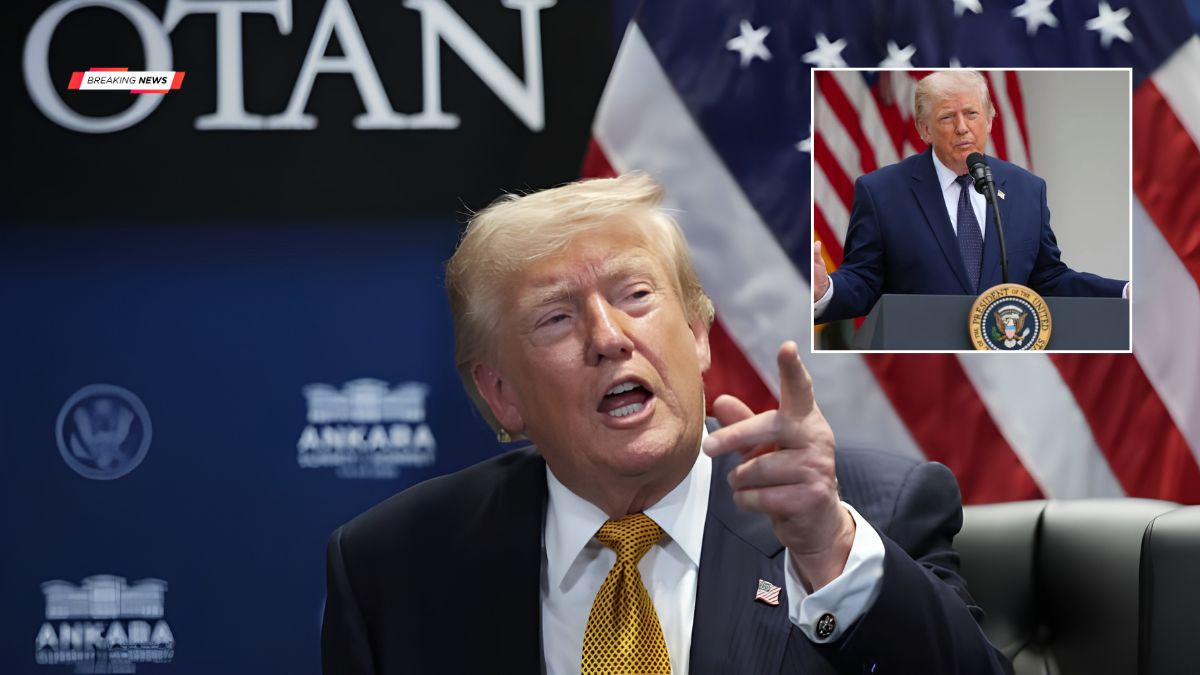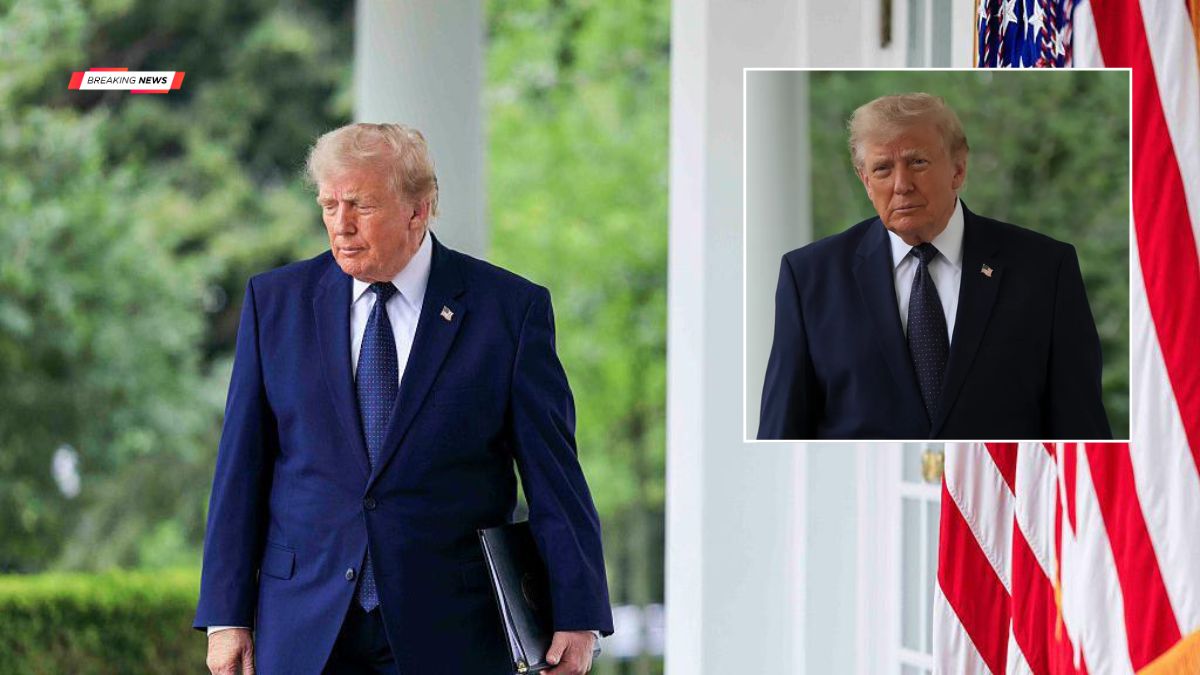
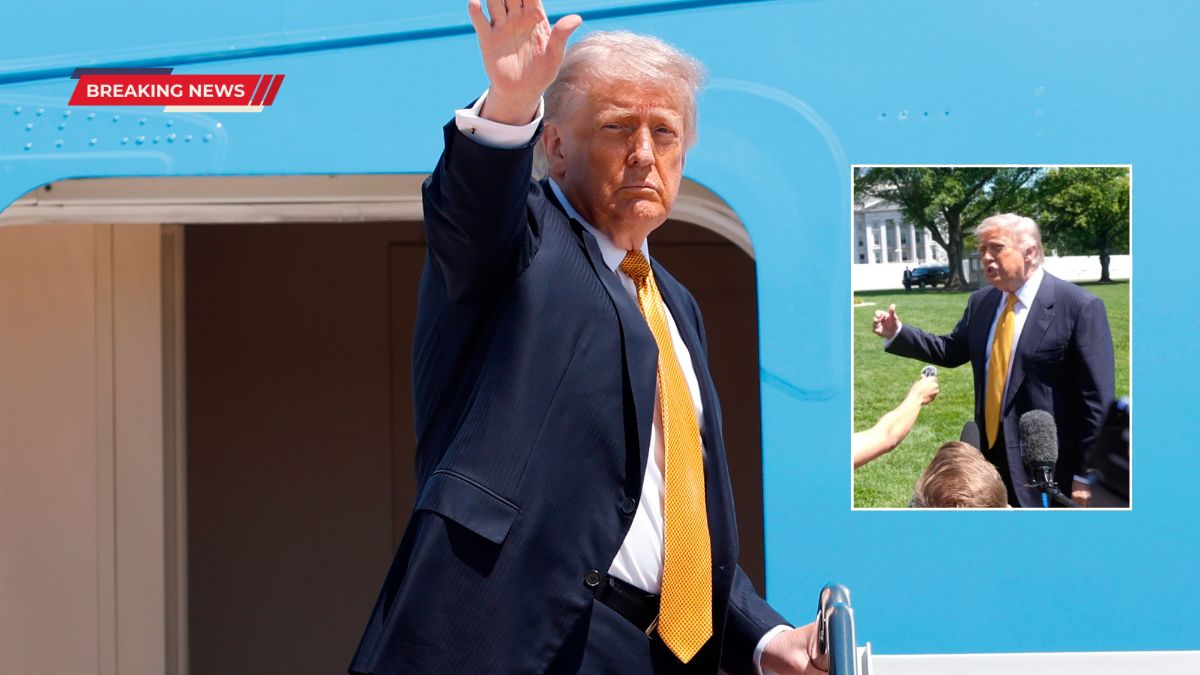
President Donald Trump said Tuesday that Americans’ financial struggles are not influencing his approach to negotiations involving Iran, emphasizing instead that preventing Tehran from obtaining a nuclear weapon remains his administration’s top priority.
The comments came as Trump departed the White House for a diplomatic trip to China while the conflict involving Iran entered its 11th week.
His remarks quickly drew political criticism, particularly as inflation and fuel prices continue to rise across the United States.
Comments
During a question-and-answer session with reporters, Trump was asked whether the financial pressure facing Americans was motivating him to seek a resolution to the ongoing conflict.
“Not even a little bit,” Trump responded.
“The only thing that matters when I’m talking about Iran, they can’t have a nuclear weapon,” the president said. “I don’t think about Americans’ financial situation. I don’t think about anybody. I think about one thing: we cannot let Iran have a nuclear weapon.”
ABC News correspondent Karen Travers then asked Trump whether he was considering the economic effects of the war on Americans.
Trump repeated that his primary concern remained Iran’s nuclear capabilities.
“The most important thing, by far, is Iran cannot have a nuclear weapon,” he said.
Key Trump Remarks
| Topic | Trump’s Response |
|---|---|
| Americans’ finances influencing negotiations | “Not even a little bit” |
| Main priority | Preventing Iran from obtaining nuclear weapons |
| Inflation concerns | Said policies are “working incredibly” |
| Gas prices | Predicted prices will drop after conflict ends |
Economy
Trump’s comments came shortly after a new economic report showed inflation rising for a second consecutive month, reaching its highest level in three years.
The report indicated prices increased 3.8% in April compared to the previous year.
At the same time, Americans continue facing elevated fuel costs linked partly to instability in global energy markets during the conflict.
According to AAA data released Tuesday, the national average price for a gallon of gasoline reached $4.50. That figure is more than $1.50 higher than before the war began in late February.
Economic Indicators
| Indicator | Latest Figure |
|---|---|
| Annual Inflation Rate | 3.8% |
| National Gas Average | $4.50 per gallon |
| Increase Since February | More than $1.50 |
Reaction
Democratic lawmakers quickly criticized Trump’s remarks.
Senate Minority Leader Chuck Schumer reposted video of the president’s comments on social media platform X and wrote: “We can tell.”
Critics argued the comments could reinforce voter concerns about whether the administration fully recognizes the financial pressures many households are currently experiencing.
Recent polling suggests economic concerns remain one of the biggest challenges facing the administration.
An ABC News/Washington Post/Ipsos poll found that 65% of Americans disapprove of Trump’s handling of the economy.
The same survey showed:
- 76% disapprove of his handling of the cost of living
- 72% disapprove of his handling of inflation
The inflation disapproval figure increased from 65% earlier this year.
Iran
Trump has consistently argued that stopping Iran from developing nuclear weapons outweighs other political or economic considerations.
During Tuesday’s exchange, he said Americans understand the broader security risks involved.
“They understand that Iran cannot have a nuclear weapon,” Trump said. “If Iran has a nuclear weapon, the whole world would be in trouble because they happen to be crazy.”
The administration has repeatedly framed the conflict as a matter of national and international security, even as rising oil prices have increased economic pressure globally.
Gas Prices
Higher fuel costs have become one of the most visible domestic effects of the ongoing conflict.
Energy markets often react sharply to instability in the Middle East because the region plays a major role in global oil production and shipping routes.
As fighting involving Iran has continued, concerns about supply disruptions have contributed to rising prices at gas stations nationwide.
Trump recently floated the idea of a temporary federal gas tax holiday to provide financial relief to consumers.
On Tuesday, he again predicted energy prices would fall once the conflict concludes.
“When it’s over, you’re going to have a massive drop in the price of oil,” Trump said.
Politics
Economic conditions remain central to the political landscape heading into the upcoming election cycle.
Trump campaigned heavily in 2024 on promises to reduce inflation and lower everyday costs for Americans. Rising prices and ongoing international conflict have since become major points of debate between the administration and its critics.
Political analysts note that voters often judge presidents heavily on economic conditions, particularly inflation and fuel prices, regardless of broader foreign policy goals.
The administration continues to argue that national security concerns involving Iran justify its current approach, while critics say domestic financial strain should play a larger role in policy decisions.
FAQs
What did Trump say about Americans’ finances?
He said they were not motivating Iran negotiations.
What issue did Trump call his top priority?
Preventing Iran from getting nuclear weapons.
How high is the national gas average?
AAA reported about $4.50 per gallon.
What did recent inflation data show?
Inflation rose 3.8% compared to last year.
How did Democrats respond?
Chuck Schumer criticized Trump’s comments online.