
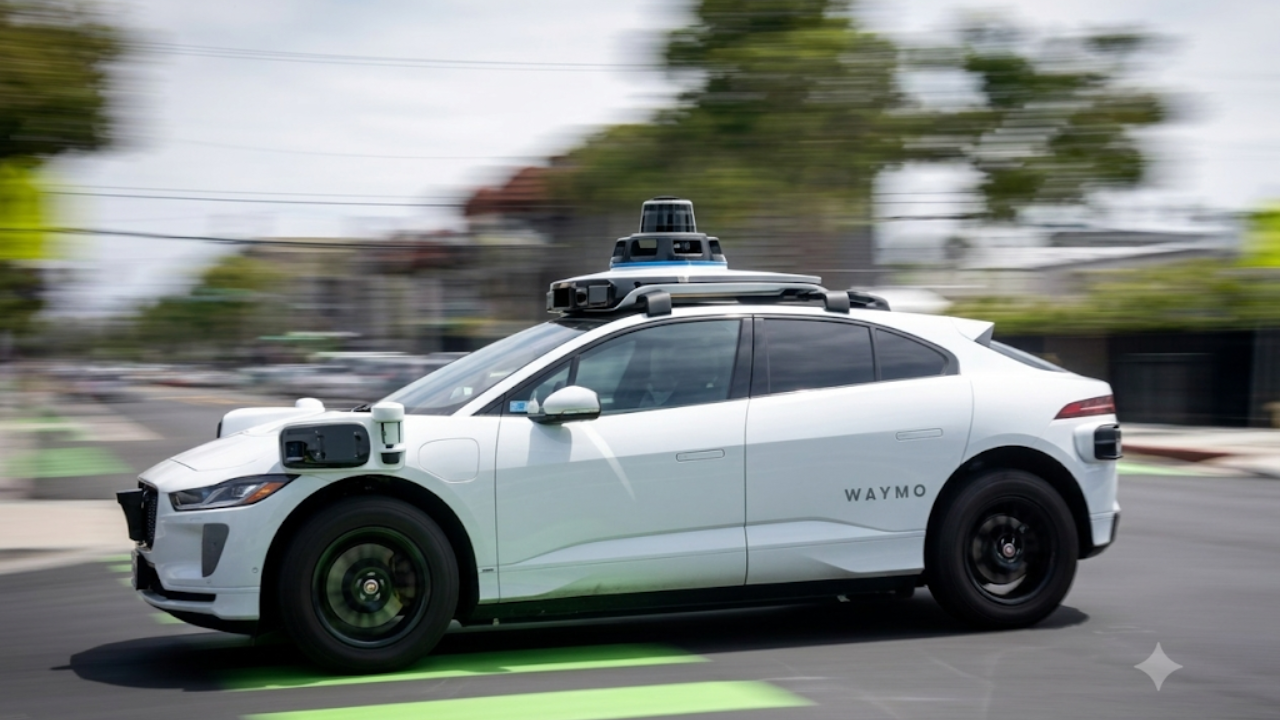
LOS ANGELES, California — A Waymo autonomous vehicle operating in Los Angeles’ Westside area came under scrutiny after witnesses reported seeing children sitting in the vehicle’s windows while it continued traveling through neighborhood streets. According to accounts, a bystander alerted the company about the unsafe situation, but the vehicle did not immediately stop, raising concerns about passenger behavior, system response, and safety protocols in driverless ride services.
The incident has sparked renewed discussion about the limits of autonomous vehicle supervision, particularly when passengers appear to engage in unsafe conduct during rides. While no injuries were reported, the situation raised alarm among residents who witnessed the behavior and questioned how such activity could occur inside a self-driving vehicle operating in public spaces.
Waymo, which operates fully autonomous ride-hailing services in select cities, has stated in past safety materials that its vehicles are designed to follow traffic laws and respond to road conditions, but passenger conduct remains a critical variable that can impact safety outcomes. In this case, the reported delay in stopping after a witness alert has become a focal point of concern.
Witness Reports Unsafe Behavior Inside Moving Robotaxi
The incident reportedly occurred as a Waymo vehicle traveled through the Westside region of Los Angeles. Witnesses observed multiple young passengers behaving in a dangerous manner, including sitting or leaning near open or partially open windows while the vehicle was in motion.
Concerned by the risk of injury, a witness contacted Waymo to report the situation. The alert was intended to notify the company of potentially unsafe passenger behavior that could endanger both the occupants and others on the road. Witnesses described the situation as alarming due to the proximity of the children to moving traffic and the potential for accidental falls or sudden vehicle movement.
Although the report was made in real time, the vehicle reportedly did not immediately stop in response to the alert. This delay has raised questions about how quickly autonomous systems and remote monitoring teams can intervene when safety concerns are flagged during active trips.
Residents familiar with the area noted that Westside neighborhoods often experience a mix of residential traffic, cyclists, pedestrians, and ride-hailing vehicles, making safety awareness especially important in shared public spaces.
Concerns Over Autonomous Vehicle Monitoring and Response
The incident has highlighted broader concerns about how autonomous vehicle companies monitor passenger behavior and respond to external safety reports. While self-driving systems are designed to navigate roads independently, companies typically rely on a combination of onboard sensors, remote monitoring teams, and user reporting systems to handle unexpected situations.
In cases involving passenger misconduct or unsafe behavior, response protocols may vary depending on system design and operational constraints. Critics argue that there should be faster intervention mechanisms when credible safety concerns are reported, particularly when minors are involved.
Safety advocates emphasize that autonomous vehicle technology must account not only for driving conditions but also for passenger actions that could create hazardous situations. The reported delay in stopping the vehicle has led to renewed calls for clearer guidelines and faster enforcement capabilities within robotaxi systems.
Waymo has previously stated that safety remains its highest priority and that its vehicles are designed with multiple layers of monitoring and control. However, incidents like this one illustrate the challenges of managing real-time human behavior within driverless transportation systems.
Community Reaction and Safety Debate Intensifies
The Westside incident has generated discussion among local residents and transportation observers about the role of autonomous vehicles in urban neighborhoods. Some community members expressed concern that passengers engaging in unsafe behavior inside moving vehicles could increase risks not only for themselves but also for surrounding traffic.
Others pointed out that emerging technologies often undergo adjustments as real-world usage reveals new challenges. Autonomous ride services are still relatively new in many cities, and regulatory frameworks continue evolving to address safety, accountability, and operational transparency.
Transportation experts note that while autonomous vehicles are statistically designed to reduce human driving errors, they also introduce new categories of safety considerations, including passenger supervision, emergency response timing, and system override capabilities.
Local observers also emphasized the importance of parental supervision and user responsibility when minors are using ride-hailing services, whether human-driven or autonomous. Ensuring safe behavior inside vehicles remains a shared responsibility between operators, passengers, and guardians.
The incident has prompted renewed calls for clearer public guidelines regarding acceptable passenger conduct in autonomous vehicles, especially in situations involving children.
Incident Overview
| Detail | Information |
|---|---|
| Location | Westside, Los Angeles, California |
| Vehicle Type | Waymo Autonomous Ride-Hailing Vehicle |
| Reported Issue | Children Sitting in Windows While Vehicle in Motion |
| Witness Action | Alerted Company During Incident |
| Company Response | Vehicle Did Not Immediately Stop (Reported) |
| Injury Reported | None |
| Safety Concern | Passenger Behavior During Active Ride |
| Investigation Focus | Response Time and Safety Protocols |
| Public Concern | Autonomous Vehicle Oversight |
| Status | Incident Under Review |
The Waymo incident in Los Angeles’ Westside has raised important questions about safety protocols in autonomous ride-hailing systems, particularly when passengers engage in risky behavior during active trips. While no injuries were reported, witness accounts and the reported delay in stopping the vehicle have sparked concern among residents and safety observers.
As autonomous transportation continues to expand in urban areas, incidents like this highlight the need for strong monitoring systems, rapid response capabilities, and clear passenger safety guidelines. The balance between technological innovation and public safety remains a key challenge for companies operating driverless vehicle fleets.
Waymo and similar operators are expected to continue refining their systems as real-world use cases expose new risks and operational complexities. For now, the incident serves as a reminder that even advanced autonomous systems rely on effective oversight and responsible passenger behavior to ensure safe operation on public roads.
FAQ’s:
Where did the incident occur?
The incident occurred in the Westside area of Los Angeles, California.
What happened inside the Waymo vehicle?
Witnesses reported children sitting in or near the windows while the vehicle was in motion.
Did anyone get injured?

No injuries were reported in connection with the incident.
How did the company respond?
A witness alerted the company, but the vehicle reportedly did not immediately stop.
Why is this incident significant?
It raises concerns about passenger safety and response protocols in autonomous vehicle systems.













Ariana Grande Plans Break From Public Spotlight After Tour Amid Ongoing Scrutiny