
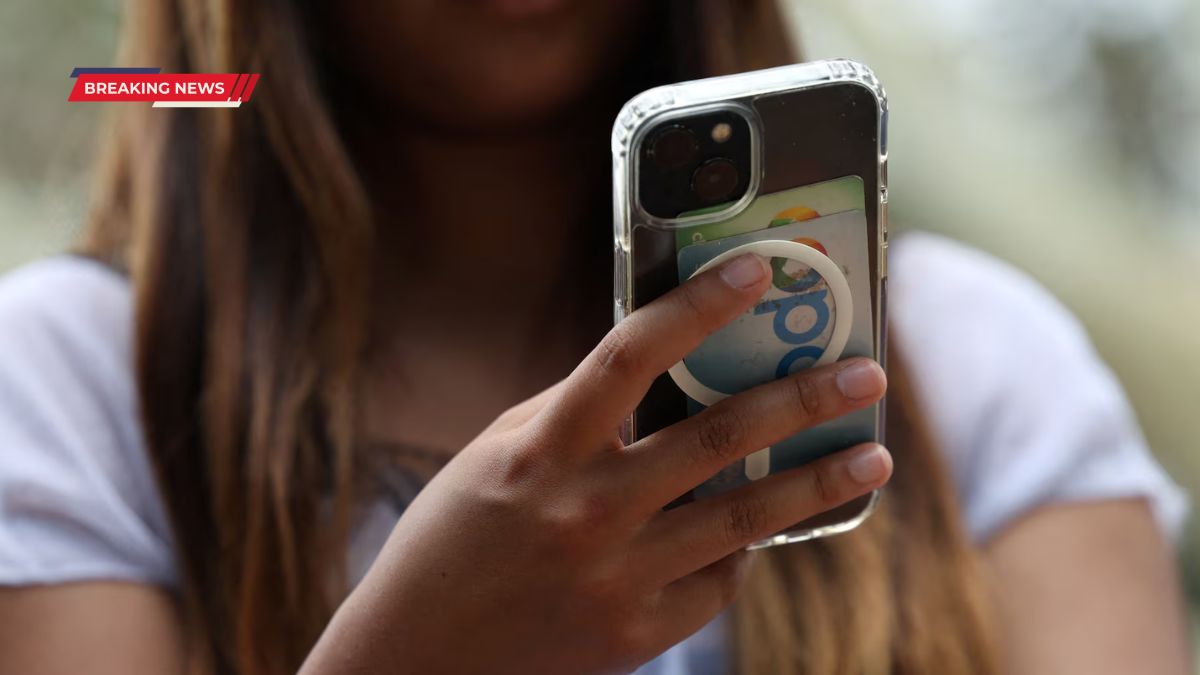
Britain will ban children under the age of 16 from using major social media platforms including TikTok, YouTube, Snapchat and Instagram, Prime Minister Keir Starmer said Monday, marking one of the most significant efforts yet by a major Western country to limit young people’s access to online platforms.
The ban is expected to take effect early next year and is intended to reduce children’s exposure to harmful content and excessive screen time. The move places the United Kingdom among a growing group of countries tightening digital safety rules for minors.
Announcement
Starmer said the decision followed growing concern from parents, educators and health professionals about the impact of social media on children’s mental health.
“Every parent can see it with their own eyes,” Starmer said. “Social media is making children unhappy.” He added that families had repeatedly called for stronger protections and that the government had a responsibility to respond.
Starmer, who has two teenage children, said he was not willing to compromise when it comes to child safety, even as the policy draws debate within the technology sector and political circles.
Scope
Under the plan, children younger than 16 will be barred from holding accounts on platforms such as TikTok, YouTube, Snapchat, Facebook, Instagram and X. The restriction will not apply to YouTube Kids or to private messaging services such as WhatsApp and Signal.
Enforcement will focus on technology companies rather than children or parents. Platforms that fail to take reasonable steps to prevent under-16s from accessing their services could face multimillion-pound fines.
Starmer said the UK will go further than Australia, which last year became the first country to formally prohibit under-16s from holding social media accounts.
Enforcement
The government acknowledges that enforcing age restrictions online presents challenges. Starmer said some teenagers may attempt to bypass the rules but argued that difficulty alone should not prevent action.
He compared the approach to age limits on alcohol purchases, noting that enforcement remains important even when rules are not perfectly followed.
Details on age verification methods and compliance standards are expected to be released next month.
Industry Response
Technology companies reacted cautiously to the announcement. YouTube and Meta, the parent company of Facebook and Instagram, warned that broad restrictions could push children toward unregulated or less safe online spaces.
A YouTube spokesperson said blanket bans could move children away from supervised environments and into anonymous platforms. Meta said restrictions risk driving teenagers toward online alternatives that lack parental controls and safety features.
Both companies said they share the goal of protecting young users and highlighted recent efforts to introduce teen-focused safety settings.
Additional Measures
Alongside the social media ban, the government plans to introduce further protections. These include preventing strangers from contacting children on gaming and livestreaming platforms and restricting AI chatbots designed to simulate romantic or sexual relationships to users over 18.
Officials are also considering measures such as overnight curfews and limits on infinite scrolling for users under 18, though no final decisions have been announced.
Public reaction
The policy follows a public consultation that drew more than 116,000 responses. The government said over 90 percent of respondents supported an under-16 ban.
Children’s safety advocates welcomed the move. Ellen Roome, whose 14-year-old son died after an online challenge went wrong, said stronger regulation is necessary because technology companies have failed to act voluntarily.
Others remain skeptical. Critics argue that age verification tools are easy to bypass and that the policy does not address the role of algorithms in promoting harmful content.
Kate Edwards of the Molly Rose Foundation said the ban risks missing the core issue of how platforms amplify damaging material. Academic experts have also warned that enforcement could be technically difficult and may unintentionally push children toward riskier online spaces.
International Reaction
The decision could add to tensions with the United States, which has expressed concern that broad digital regulations may affect free speech and disproportionately burden American technology firms.
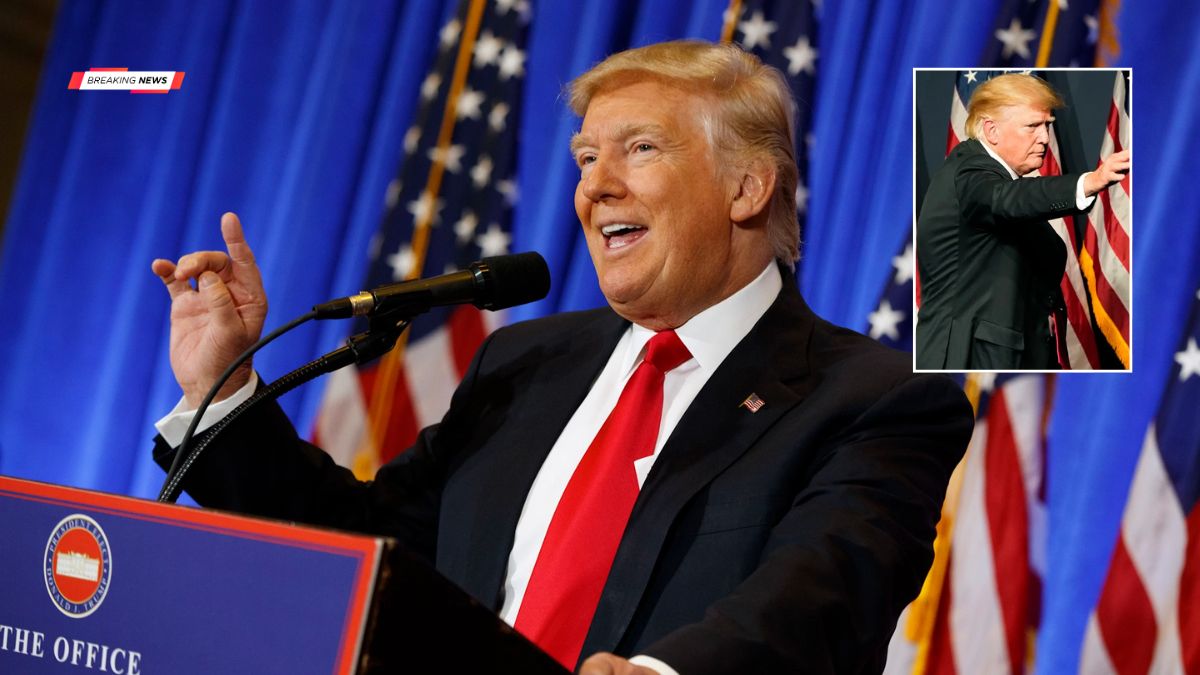
Starmer said he expects to raise the issue with President Donald Trump and other leaders at the Group of Seven summit in France, emphasizing that protecting children online is a shared global concern.
For now, the UK’s plan signals a clear shift toward stricter oversight of children’s digital lives, even as debate continues over how effective such measures will be.
FAQs
What age group is affected by the UK ban?
Children younger than 16 will be restricted.
Which platforms are included in the ban?
TikTok, YouTube, Instagram, Snapchat and others.
Will YouTube Kids be affected?

No, YouTube Kids is excluded.
Who will be punished for violations?
Technology companies, not children.
When will the ban take effect?
The government expects early next year.






Ariana Grande Plans Break From Public Spotlight After Tour Amid Ongoing Scrutiny