The United States launched additional military strikes against targets in Iran on June 27 following an alleged Iranian drone attack on a commercial oil tanker in the Strait of Hormuz, according to U.S. Central Command (CENTCOM). The operation marks a further escalation in tensions tied to repeated incidents involving commercial shipping in one of the world’s most critical maritime corridors.
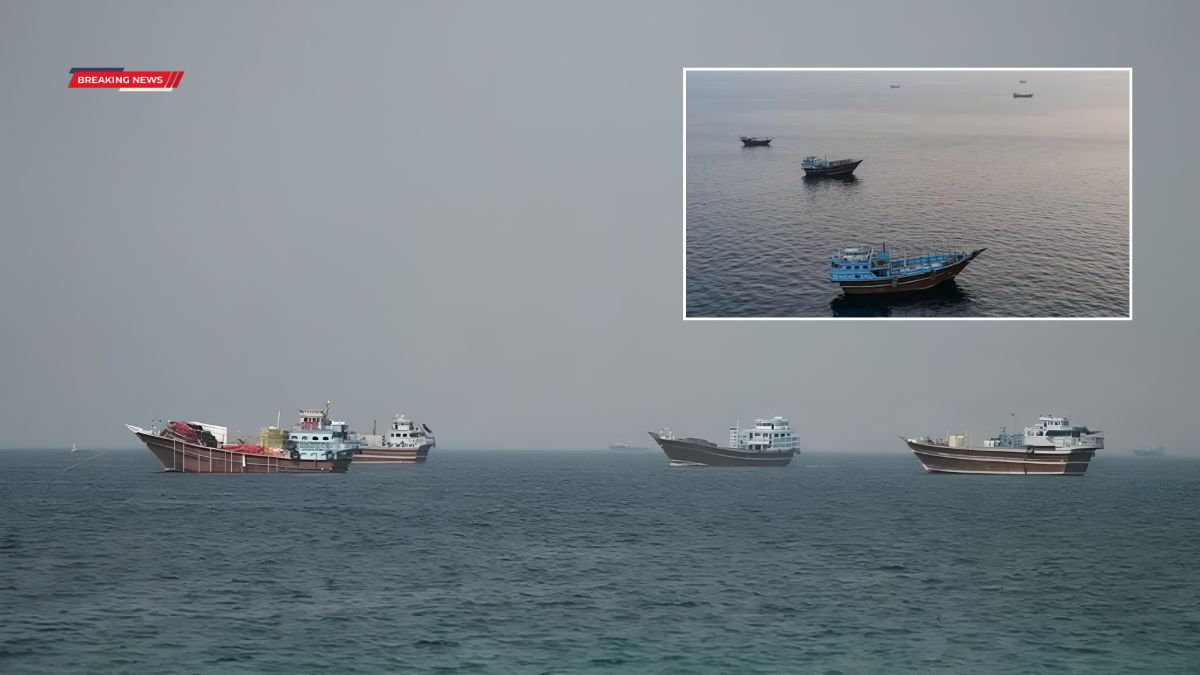
Officials say the action followed an attack on the Panama-flagged tanker M/T Kiku, which was reportedly struck by a drone while transiting near the Strait of Hormuz early Saturday morning. Iran has not publicly confirmed responsibility for the incident.
Incident
CENTCOM reported that the tanker, carrying more than 2 million barrels of crude oil, was struck at approximately 4:30 a.m. ET. The vessel sustained damage during the incident but continued to be referenced as part of ongoing commercial traffic in the region.
The Strait of Hormuz is a heavily monitored maritime chokepoint through which a significant portion of global oil shipments pass. Even isolated attacks in this area often trigger heightened military and commercial security responses.
Response
In response to the alleged drone strike, U.S. aircraft carried out operations targeting multiple sites inside Iran, according to CENTCOM. The strikes reportedly focused on military infrastructure, including surveillance systems, communication networks, air defense installations, drone storage facilities, and minelayer capabilities.
A summary of reported targets includes:
| Target Type | Description |
|---|---|
| Surveillance systems | Monitoring and intelligence infrastructure |
| Air defense sites | Radar and missile defense positions |
| Drone facilities | Storage and deployment infrastructure |
| Communication systems | Military coordination networks |
| Naval support assets | Minelayer-related capabilities |
Officials described the operation as a direct response to continued attacks on commercial shipping and said it was conducted under presidential direction.
Escalation
U.S. officials said the strikes followed a prior round of military action on June 26, which also targeted Iranian missile and drone storage sites and coastal radar installations. Those earlier strikes were reportedly carried out in response to attacks on commercial vessels in the same region.
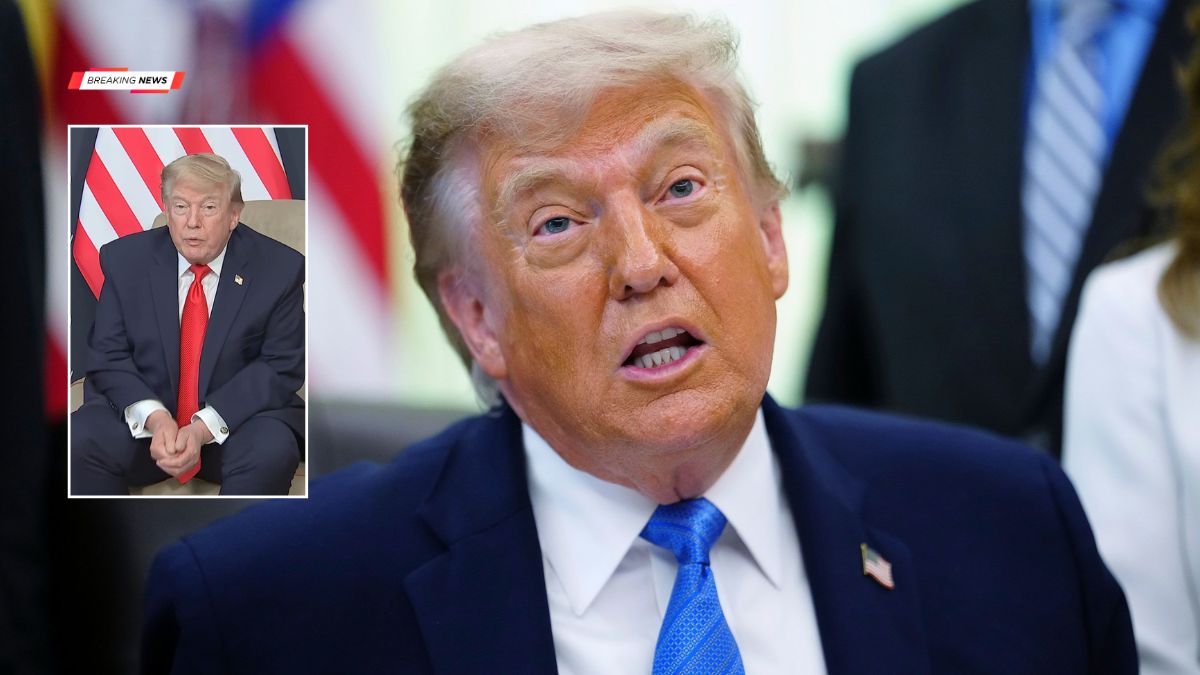
President Donald Trump said the United States had attempted to uphold a ceasefire arrangement but warned that continued violations could prompt further military escalation. His comments highlighted growing uncertainty around the durability of the agreement.
Iran’s Islamic Revolutionary Guard Corps reportedly responded by launching missile and drone operations targeting U.S. positions in Kuwait and Bahrain, according to Iranian state media.
Maritime
Commercial shipping in the Strait of Hormuz remains a central concern amid the ongoing tensions. The United Kingdom Maritime Trade Operations agency reported that a tanker was struck by a projectile in the region, causing damage to its bridge, though no injuries were reported among the crew.
The Joint Maritime Information Center also raised its maritime security threat level following the series of incidents involving commercial vessels.
Despite the heightened tensions, officials said commercial transits through the Strait have continued, although under increased security advisories and monitoring.
Context
The Strait of Hormuz is one of the most strategically important shipping lanes in the world, handling a substantial portion of global oil transport. Any disruption in this region often has immediate implications for international energy markets and maritime security operations.
Tensions involving the United States, Iran, and regional allies have fluctuated over the past year, with periodic flare-ups involving missile strikes, drone activity, and maritime incidents. The latest exchange represents a continuation of that broader pattern of escalation and retaliation.
Military officials emphasized that forces remain on high alert and prepared for further developments as the situation evolves.
Outlook
At this stage, neither side has indicated a clear de-escalation path, and maritime security agencies continue to monitor vessel movements closely. The situation remains fluid, with additional military or diplomatic developments possible depending on further incidents in the region.
The latest U.S. strikes on Iranian targets underscore rising tensions tied to repeated attacks on commercial shipping in the Strait of Hormuz. With both military and maritime activity intensifying, the region remains under close international watch as officials assess the risk of further escalation.
FAQs
Why did the U.S. strike Iran?
The strikes were carried out in response to an alleged Iranian drone attack on a commercial tanker in the Strait of Hormuz.
What was targeted in the strikes?
Reports say the strikes hit surveillance systems, air defense sites, drone facilities, and communication infrastructure.
What is the Strait of Hormuz?

It is a key global shipping route for oil and one of the most strategically important waterways in the world.
Were there any casualties reported?
No confirmed casualty figures have been released in connection with the reported incidents.
Is commercial shipping still operating?
Yes, but vessels are operating under heightened security alerts and monitoring.