Donald Trump added another victory to his growing list of successful primary endorsements after former Navy SEAL Ed Gallrein defeated longtime Congressman Thomas Massie in Kentucky’s 4th Congressional District Republican primary, according to CBS News projections.
The result marks a significant political shift in a district that Massie had represented since 2012 and highlights Trump’s continuing influence over Republican primary voters ahead of the next congressional cycle.
Massie’s defeat followed months of political attacks, heavy outside spending, and repeated criticism from Trump and his allies over the congressman’s independent positions on several major issues.
Background
Thomas Massie built a national profile over the past decade as one of the House Republican Conference’s most independent lawmakers. While generally conservative, he often broke with party leadership and occasionally opposed Trump-backed legislation and foreign policy decisions.
That independence increasingly put him at odds with Trump and influential Republican groups.
Massie voted against Trump’s major tax legislation known as the “One Big Beautiful Bill Act.” He also questioned U.S. military operations involving Iran and Venezuela and pushed for greater transparency regarding files connected to Jeffrey Epstein.
Trump publicly criticized Massie several times during the campaign and endorsed Ed Gallrein, a political newcomer and former Navy SEAL.
The endorsement quickly transformed the race from a local primary into a nationally watched political contest.
Campaign
The Kentucky primary became one of the most expensive House primary races in recent memory. Outside organizations spent millions of dollars on advertising, voter outreach, and campaign operations.
Pro-Israel groups played a major role in the contest, with organizations such as AIPAC and the Republican Jewish Coalition backing Gallrein and opposing Massie.
Massie argued throughout the campaign that the financial involvement of outside groups had a larger impact on the race than Trump’s endorsement itself.
Before Election Day, Massie estimated that Trump’s backing reduced his expected support significantly, while additional spending from outside organizations turned the contest into a near-even race.
Major Supporters in the Race
| Candidate | Key Backers |
|---|---|
| Ed Gallrein | Donald Trump, AIPAC allies, GOP donors |
| Thomas Massie | Libertarian conservatives, independent Republicans |
AIPAC later congratulated Gallrein after the results were announced and described Massie as an “anti-Israel incumbent.”
Concession
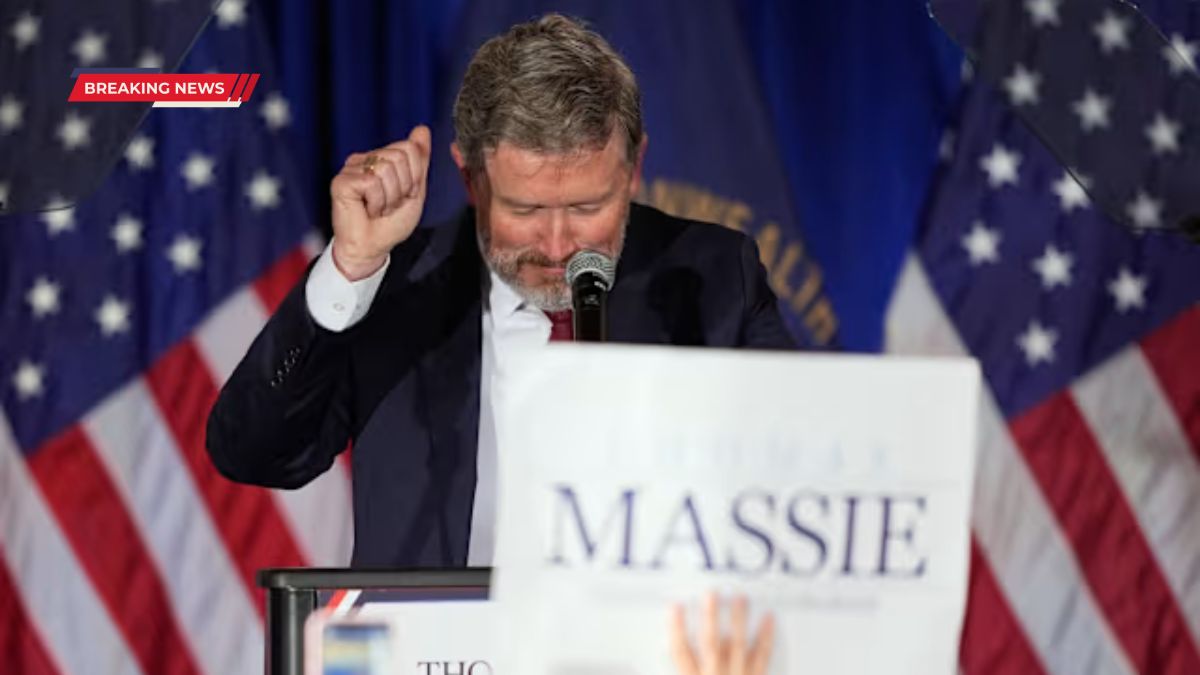
Massie conceded Tuesday night after the race was called for Gallrein. Speaking to supporters, he reflected on the unusually long and intense campaign while defending his voting record and political independence.
He said political pressure from Washington never changed his decisions in Congress.
“People in Washington tried to buy my vote,” Massie told supporters. “But they couldn’t buy it.”
Massie also repeated his concerns about growing expectations of political loyalty within the Republican Party.
“They want 100% compliance,” he said during the campaign.
Despite the loss, Massie remained firm in defending his positions on foreign policy, government spending, and congressional oversight.
Trump
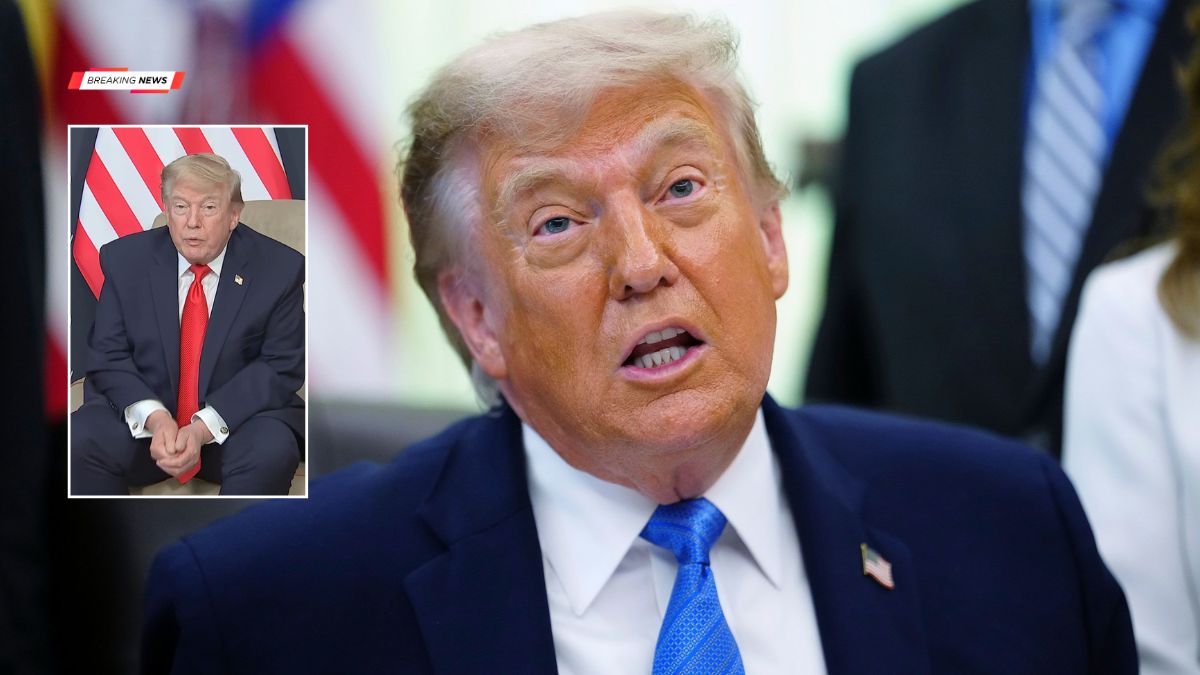
Trump celebrated the result shortly after the projection was announced.
“He was a bad guy. He deserves to lose,” Trump told reporters late Tuesday evening.
The former president and his allies treated the race as another demonstration of Trump’s continuing political strength inside the Republican Party.
Former Trump campaign adviser Chris LaCivita argued on social media that Republican voters want candidates who support Trump’s agenda consistently.
White House Communications Director Steven Cheung also reacted online, saying Trump’s political influence should not be underestimated.
The race reinforced a broader trend in recent Republican primaries where candidates endorsed by Trump have successfully challenged incumbents viewed as insufficiently loyal to the former president.
Influence
The campaign also drew attention because of direct involvement from high-profile national figures.
Defense Secretary Pete Hegseth traveled to Kentucky shortly before the election to campaign alongside Gallrein. Hegseth said he attended in a personal capacity, though the appearance attracted scrutiny because senior defense officials traditionally avoid partisan campaign activity.
During the event, Hegseth framed the race as a question of party unity and support for Trump’s leadership.
“When the movement needs unity, Massie is willing to vote with Democrats,” Hegseth said.
He described Gallrein as someone who would support the administration’s goals without internal conflict.
House Speaker Mike Johnson declined to endorse either candidate publicly but acknowledged that Republicans managing a narrow House majority benefit from dependable votes.
“It would be helpful to have a more reliable vote,” Johnson told reporters before the election.
Division
Massie’s defeat reflects continuing debates inside the Republican Party over ideology, loyalty, and the role of dissent within the conference.
Supporters viewed Massie as a lawmaker willing to challenge both parties when necessary, while critics argued that his repeated opposition weakened Republican priorities during important votes.
Massie warned before the election that removing lawmakers with differing viewpoints could narrow the party’s coalition over time.
“If I’m gone, the tent has significantly been diminished,” he said.
Still, the primary outcome suggests many Republican voters currently favor candidates who align closely with Trump’s political approach and messaging.
Key Developments During the Race
| Event | Impact |
|---|---|
| Trump endorses Gallrein | Elevated national attention |
| Millions spent by outside groups | Increased campaign intensity |
| Pete Hegseth campaigns in Kentucky | Added national political focus |
| Massie concedes defeat | Ends 14-year House career |
Outlook
Ed Gallrein’s victory gives Republicans a new nominee closely aligned with Trump heading into the general election campaign.
For Trump, the result adds to a growing record of successful interventions in Republican primaries involving lawmakers who challenged him publicly or voted against his priorities.
For Massie, the loss closes a long chapter in Congress defined by a willingness to oppose party leadership on issues ranging from spending to foreign policy.
The Kentucky primary may also serve as a broader indicator of how Republican politics continues to evolve, with loyalty to Trump remaining a powerful force in determining political survival within the party.
As Republicans prepare for future elections and navigate a narrow House majority, races like this one are likely to remain closely watched across the country.
FAQs
Who defeated Thomas Massie?
Ed Gallrein won the GOP primary.
Why did Trump oppose Massie?
Massie opposed several Trump-backed policies.
Who funded the Kentucky race?
Outside groups and GOP donors spent millions.
How long did Massie serve in Congress?
Massie served Kentucky since 2012.
Was this race nationally important?
Yes, it highlighted Trump’s GOP influence.