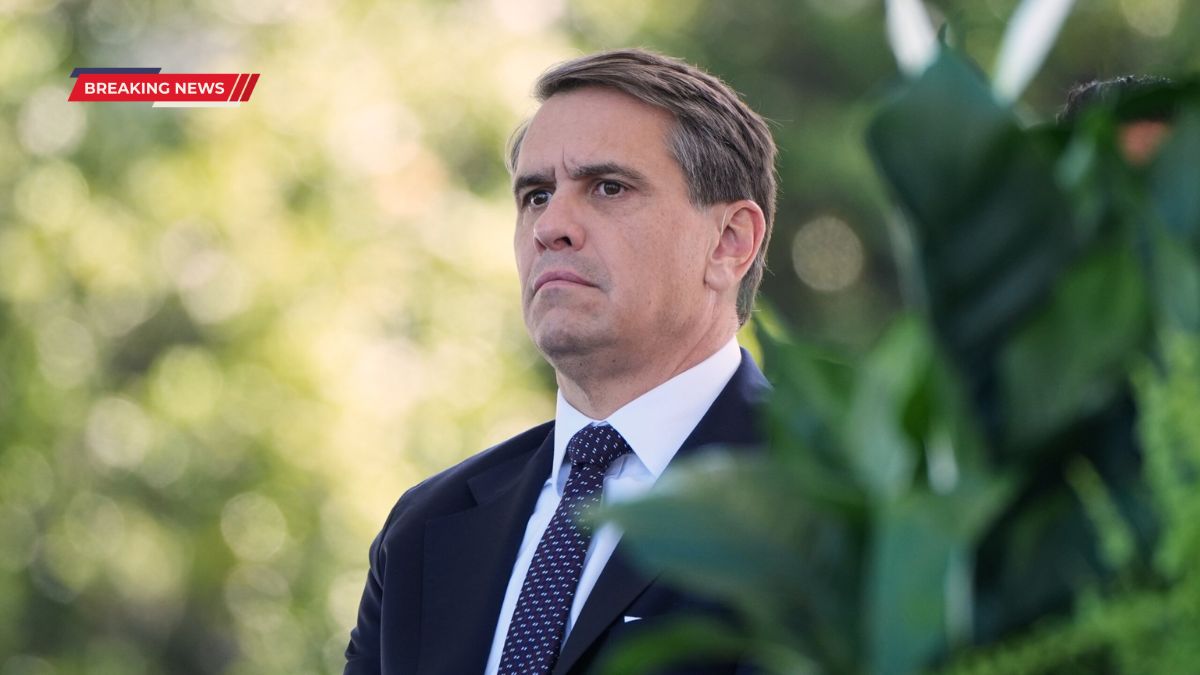
Vice President JD Vance and acting Attorney General Todd Blanche faced mounting questions Tuesday over whether individuals involved in the Jan. 6 Capitol attack could receive compensation from the newly announced $1.776 billion “Anti-Weaponization Fund.”
During separate appearances in Washington, both officials declined to explicitly rule out payouts to individuals convicted of assaulting law enforcement officers during the Capitol riot.
The fund, announced Monday as part of a settlement agreement tied to Donald Trump’s lawsuit against the Internal Revenue Service, has quickly become the focus of bipartisan scrutiny over how the money will be distributed and who may ultimately qualify for compensation.
Fund
The “Anti-Weaponization Fund” was created following the settlement of Trump’s $10 billion lawsuit against the IRS. According to the Justice Department, the program is intended to compensate people who believe they were unfairly targeted by government investigations or legal actions during the Biden administration.
Administration officials have said applications will be reviewed individually by an independent commission.
However, details about eligibility requirements, oversight, and the identities of commissioners remain unclear.
The size of the fund and the broad language surrounding eligibility have raised concerns among lawmakers from both parties.
Key Details About the Fund
| Topic | Information |
|---|---|
| Total fund size | $1.776 billion |
| Purpose | Compensation for alleged government “weaponization” |
| Oversight | Five-person commission |
| Eligibility | Open application process |
| Public concern | Potential payouts to Jan. 6 rioters |
Questions
At a White House briefing Tuesday, ABC News correspondent Jonathan Karl pressed Vice President JD Vance about whether taxpayers could end up funding compensation for people who attacked police officers during the Jan. 6 riot.
Karl asked directly whether individuals convicted of assaulting Capitol Police should receive money from the fund.
Vance did not provide a direct yes-or-no answer.
Instead, he emphasized that the program would involve a review process and that applications would be considered individually.
“Anybody can apply,” Vance said.
He also stressed that the money would not go to Trump personally, members of his administration, or Trump family members.
When Karl repeated the question about individuals who assaulted officers, Vance responded by saying the administration was focused on compensating people who were “mistreated by the legal system.”
“We’re not trying to give money to anybody who attacked a police officer,” Vance said.
Still, he stopped short of saying such applicants would automatically be rejected.
Hearing
Questions continued later Tuesday during a Senate Appropriations subcommittee hearing involving acting Attorney General Todd Blanche.
Democratic Senator Jeff Merkley asked Blanche whether people convicted of violent acts against police officers should be allowed to receive compensation.
Blanche replied that anyone who believes they were victims of government “weaponization” could apply.
“My feelings don’t matter, senator,” Blanche said when pressed about his personal position.
Blanche also declined to commit to rules specifically excluding members of groups such as the Proud Boys or Oath Keepers from eligibility.
Instead, he repeatedly said the commission overseeing the fund would establish its own standards for reviewing claims.
“The commissioners will set rules,” Blanche told lawmakers.
Oversight
One major issue raised during Tuesday’s hearing involved transparency and oversight of the fund.
Blanche acknowledged that he had not yet identified the five individuals who would serve on the commission responsible for evaluating claims and distributing money.
He also said he did not know whether Trump would suggest potential commissioners.
Lawmakers questioned whether recipients of compensation would be publicly identified.
Blanche said the Justice Department intends to provide quarterly public reports about the commission’s activities but noted that privacy laws could limit disclosure of certain information.
“There will be full transparency,” Blanche said, while adding that legal restrictions related to privacy may apply in some cases.
Main Concerns Raised by Lawmakers
| Concern | Explanation |
|---|---|
| Eligibility rules | No clear exclusions announced |
| Jan. 6 applicants | Officials would not rule them out |
| Transparency | Questions remain over public disclosure |
| Commission members | Not yet identified |
| Political favoritism | Critics fear bias in payouts |
Criticism
The fund has already drawn criticism from lawmakers in both parties.
Senate Majority Leader John Thune said Tuesday he was skeptical about the initiative and questioned its purpose.
“I’m not a big fan,” Thune told reporters at the Capitol.
Democrats voiced stronger objections during the Senate hearing, particularly regarding the possibility that political supporters of Trump could receive taxpayer-funded compensation.
Senator Chris Van Hollen criticized Blanche for comparing the initiative to an Obama-era compensation program designed to resolve longstanding claims from Native Americans who alleged mistreatment by the federal government.
Van Hollen noted that the earlier program involved judicial approval, while the current fund was announced without court oversight.
Context
The administration has defended the program as a response to what Trump and his allies describe as politically motivated investigations conducted during the Biden administration.
Blanche argued during testimony that the initiative is broader than issues connected to Trump or Jan. 6 defendants.
“It’s not limited to Republicans,” Blanche said.
He added that the program is not restricted to investigations involving special counsel Jack Smith or individuals connected to the Capitol riot.
Still, critics argue that the fund’s vague structure and open-ended eligibility standards leave major unanswered questions about how taxpayer money may ultimately be used.
Outlook
The debate surrounding the “Anti-Weaponization Fund” is expected to continue as the Justice Department moves forward with establishing the commission and setting formal rules for applications.
Lawmakers from both parties are likely to seek additional details regarding oversight, eligibility restrictions, and disclosure requirements in the coming weeks.
For now, administration officials continue to insist the process will involve careful review and transparency, while avoiding direct commitments about whether Jan. 6 rioters convicted of assaulting police officers could receive compensation.
The unresolved questions have already turned the program into a new point of political and legal controversy in Washington.
FAQs
What is the Anti-Weaponization Fund?
A $1.776 billion compensation program.
Who can apply for compensation?
Officials said anyone may apply.
Could Jan. 6 rioters receive payouts?
Officials declined to fully rule it out.
Who oversees the fund?
A five-person commission will manage it.
Has the fund faced criticism?
Yes, from both Democrats and Republicans.