
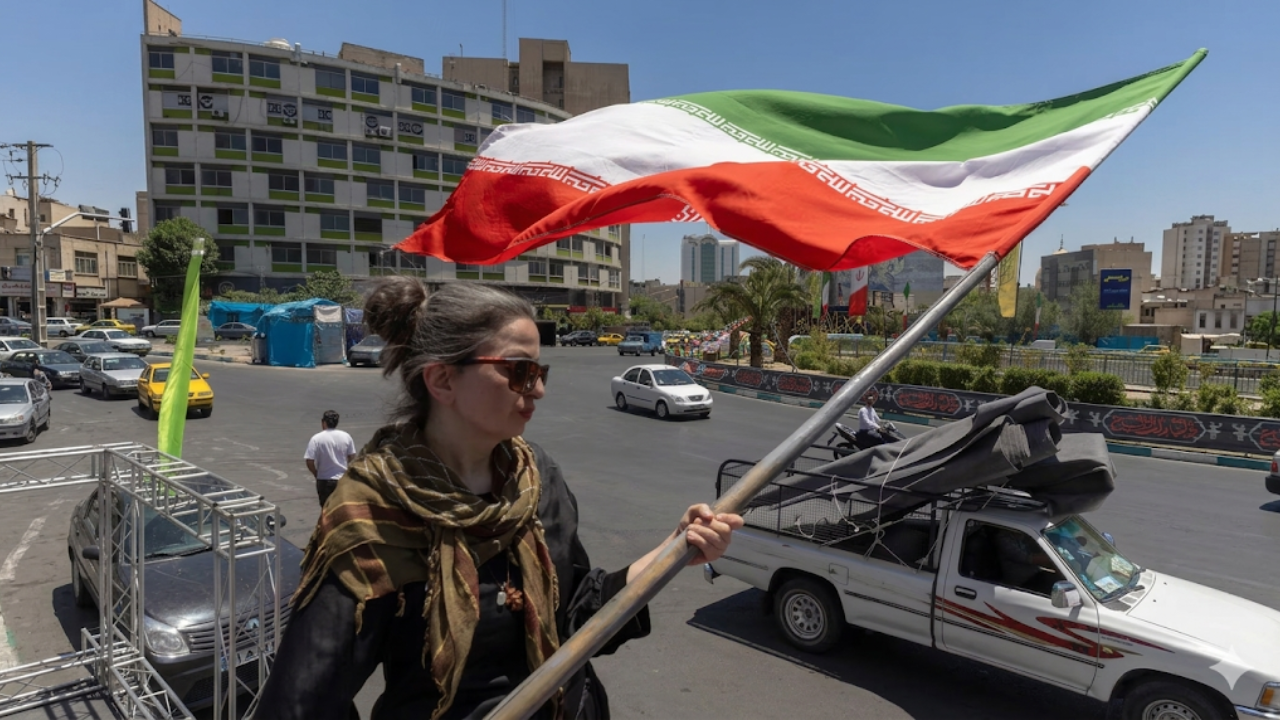
WASHINGTON, D.C. — The Trump administration is reportedly considering a sweeping financial package worth up to $300 billion for Iran as part of a potential diplomatic framework, contingent on Iran upholding the terms of a broader agreement. The proposal is being discussed internally as part of efforts to stabilize long-term relations with Tehran while addressing nuclear and regional security concerns.
According to officials familiar with the discussions, the fund would represent one of the largest economic commitments ever tied to a geopolitical agreement with Iran. The idea remains under review and has not been finalized, but it has already sparked debate within diplomatic and security circles over its scale, feasibility, and political implications.
The discussions come amid renewed attention on Iran’s nuclear program and ongoing tensions between Tehran and Western powers. The proposed financial structure is reportedly intended to incentivize compliance and support economic reconstruction under strict monitoring conditions.
Structure and Purpose of the Proposed Fund
The proposed $300 billion package is being described as a conditional economic support mechanism that would only be activated if Iran fully complies with the terms of a negotiated agreement. While details remain fluid, discussions reportedly include the possibility of phased disbursements tied to verification milestones.
The fund is expected to potentially include a combination of international financing mechanisms, frozen asset releases, and structured investment guarantees aimed at stabilizing Iran’s economy. Some proposals also suggest that the financial support could be directed toward infrastructure rebuilding, energy sector modernization, and humanitarian development programs.
Supporters of the idea within policy discussions argue that large-scale economic incentives could provide a strong motivation for sustained compliance and reduce the likelihood of renewed nuclear escalation. They also suggest that economic integration could serve as a long-term stabilizing force in the region.
However, critics argue that such a large financial commitment could face significant political resistance domestically and raise concerns among U.S. allies in the Middle East, particularly those wary of Iran’s regional influence.
Political Debate and Strategic Concerns
The proposal has triggered intense debate among policymakers and national security experts. Supporters within the administration reportedly view the fund as a strategic tool to achieve long-term diplomatic stability and prevent future conflict. They argue that economic engagement, if carefully structured, could complement enforcement mechanisms tied to nuclear restrictions.
Opponents, however, have raised concerns about verification challenges, compliance risks, and the possibility that financial resources could indirectly strengthen Iran’s military or proxy networks. Some lawmakers and analysts have also questioned whether such a large-scale package would be politically viable in Congress.
Foreign policy experts note that any agreement involving Iran would require robust monitoring systems, including international inspections and financial oversight mechanisms, to ensure that funds are used as intended. The history of previous nuclear negotiations with Iran has made verification a central issue in any renewed diplomatic framework.
Regional allies of the United States, particularly in the Gulf, are also expected to closely scrutinize any agreement involving large financial transfers to Iran, given longstanding geopolitical rivalries and security concerns.
International and Economic Implications
If implemented, the proposed $300 billion fund would represent one of the largest international economic packages linked to a diplomatic agreement in modern history. Economists suggest that such a fund could significantly impact Iran’s struggling economy, which has been affected by sanctions, inflation, and limited access to global financial markets.
Iran’s potential reintegration into the global economy could also have broader implications for energy markets, trade routes, and regional investment flows. The country holds significant oil and gas reserves, and any easing of sanctions or improved economic stability could influence global energy pricing dynamics.
At the same time, international financial institutions would likely play a role in structuring and monitoring any fund, particularly if multilateral contributions or guarantees are involved. Legal and compliance frameworks would be essential to ensure transparency and prevent misuse of funds.
Diplomatic analysts emphasize that the success of any such initiative would depend heavily on sustained political commitment from all parties involved, as well as the durability of enforcement mechanisms built into the agreement.
Key Facts About the Proposal
| Category | Details |
|---|---|
| Proposal Type | Conditional economic fund |
| Amount | Up to $300 billion |
| Country Involved | Iran |
| Origin of Proposal | Trump administration discussions |
| Purpose | Incentivize compliance with potential agreement |
| Status | Under consideration, not finalized |
| Disbursement Model | Likely phased and conditional |
| Oversight | International monitoring proposed |
| Key Issue | Nuclear compliance and verification |
| Political Reaction | Mixed and highly debated |
The reported consideration of a $300 billion fund for Iran highlights the scale and complexity of ongoing diplomatic discussions involving nuclear policy and regional security. While still under review, the proposal reflects an approach that combines economic incentives with strict conditionality in an effort to secure long-term compliance.
However, the idea remains controversial, with significant debate over its feasibility, risks, and geopolitical consequences. As discussions continue, policymakers face the challenge of balancing diplomatic engagement with security concerns and domestic political realities.
The outcome of these deliberations could have far-reaching implications not only for U.S.-Iran relations but also for broader stability across the Middle East and global economic systems.
FAQ’s:
What is the proposed $300 billion fund for Iran?
It is a potential conditional financial package being discussed as part of a broader diplomatic agreement framework.
Is the fund confirmed?
No. It is still under consideration and has not been finalized.
What would Iran receive the money for?

The fund would likely be tied to compliance with agreement terms, potentially including economic reconstruction and development.
What are the main concerns?
Critics cite risks of non-compliance, regional instability, and political opposition.
Would the fund be paid all at once?
No. Reports suggest it would likely be released in phases based on verified compliance.













Ariana Grande Plans Break From Public Spotlight After Tour Amid Ongoing Scrutiny