
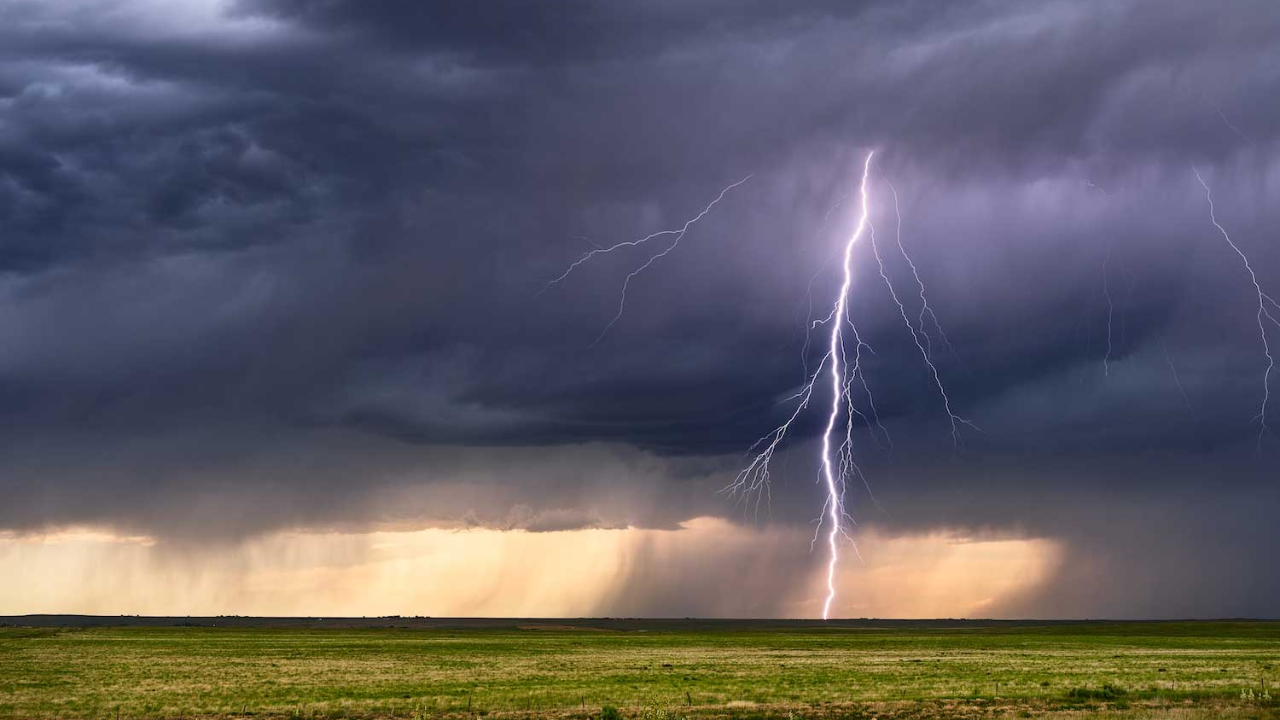
LAS VEGAS, Nevada — After weeks of intense summer heat and mostly dry conditions, Las Vegas residents may soon experience a change in weather as forecasters indicate that thunderstorms could develop across the region later this week. Meteorologists are monitoring atmospheric conditions that may bring moisture into Southern Nevada, increasing the possibility of rain, lightning, gusty winds, and localized storm activity throughout the Las Vegas Valley.
While Las Vegas is known for its arid desert climate, summer thunderstorms are not uncommon when moisture from surrounding regions moves into the area. Weather experts say current forecast models suggest a pattern change that could create favorable conditions for thunderstorm development. Although the exact timing and intensity remain uncertain, residents are being encouraged to stay informed about weather updates as the week progresses.
The possibility of thunderstorms comes as many parts of Southern Nevada continue experiencing high temperatures typical of late June. Any storm activity could temporarily lower temperatures while also creating hazards such as reduced visibility, strong wind gusts, flash flooding, and dangerous lightning strikes.
Weather Pattern Shift May Bring Storm Development
Meteorologists have identified atmospheric changes that could increase thunderstorm chances across Southern Nevada. Forecasters say moisture moving into the region may interact with daytime heating, creating instability capable of producing storm clouds and isolated thunderstorms.
Desert thunderstorms often develop rapidly during the afternoon and evening hours when temperatures reach their highest levels. As warm air rises and combines with available moisture, towering clouds can form quickly and generate lightning, rain, and gusty winds. Forecast models indicate that this process may become more likely during the upcoming week.
Weather experts caution that thunderstorm forecasts in desert regions can be difficult to predict precisely. Small changes in atmospheric moisture levels, wind patterns, or temperature conditions can significantly influence whether storms develop and where they occur. As a result, forecast details may continue to evolve over the coming days.
Despite these uncertainties, forecasters agree that the overall weather pattern appears more favorable for storm activity than it has been in recent weeks. This has led meteorologists to closely monitor conditions throughout Southern Nevada.
Potential Impacts for Las Vegas Residents
Even isolated thunderstorms can create significant impacts in the Las Vegas area. One of the primary concerns associated with desert storms is the possibility of strong outflow winds. These winds can develop suddenly and create hazardous driving conditions, particularly for high-profile vehicles traveling on highways and open roadways.
Lightning presents another major risk. Thunderstorms can produce dangerous cloud-to-ground lightning strikes capable of causing injuries, starting fires, and disrupting outdoor activities. Residents are advised to seek shelter indoors if thunderstorms develop and avoid open areas during periods of lightning activity.
Heavy rainfall is also possible, even when storms are relatively brief. Because desert soil often absorbs water slowly, sudden downpours can lead to localized flooding. Low-lying roads, washes, and drainage channels may experience rapid water accumulation, creating dangerous conditions for motorists.
Travelers, hikers, and outdoor recreation enthusiasts are encouraged to monitor weather conditions carefully. Thunderstorms developing in nearby mountains can also affect lower elevations through runoff and flash flooding, even if little rainfall occurs directly within the city.
Summer Monsoon Season Approaches Southern Nevada
The increased chance of thunderstorms comes as Southern Nevada moves closer to the peak of the summer monsoon season. The North American Monsoon typically develops during the summer months and can bring periodic surges of moisture into desert regions across Nevada, Arizona, New Mexico, and surrounding states.
Monsoon-related weather often results in scattered thunderstorms that vary greatly in coverage and intensity. Some storms may produce only brief rainfall, while others can generate significant lightning, strong winds, hail, and localized flooding. The season is closely watched by meteorologists because weather conditions can change rapidly.
Forecasters note that the arrival of monsoon moisture can provide temporary relief from extreme heat. Cloud cover and rainfall may reduce daytime temperatures in some areas, although humidity levels often increase as moisture moves into the region. This can create a different type of discomfort compared to the typically dry desert heat.
Weather officials continue encouraging residents to prepare for changing conditions and remain aware of forecasts throughout the summer months. Early-season thunderstorm activity often serves as a reminder of the weather hazards associated with monsoon conditions.
Weather Outlook Overview
| Detail | Information |
|---|---|
| Location | Las Vegas, Nevada |
| Forecast Concern | Possible Thunderstorms |
| Expected Timing | Later This Week |
| Main Weather Factors | Increased Moisture and Atmospheric Instability |
| Potential Hazards | Lightning, Wind, Heavy Rain |
| Flood Risk | Localized Flash Flooding Possible |
| Travel Impact | Reduced Visibility and Dangerous Road Conditions |
| Seasonal Context | Approaching Summer Monsoon Season |
| Temperature Effect | Possible Temporary Cooling |
| Forecast Status | Conditions Being Monitored |
Las Vegas may experience a break from its recent stretch of dry weather as forecasters monitor the possibility of thunderstorms developing later this week. Increased moisture and favorable atmospheric conditions have raised the potential for rain, lightning, and gusty winds across parts of Southern Nevada.
While uncertainty remains regarding the exact timing and intensity of any storms, meteorologists agree that weather patterns are becoming more supportive of thunderstorm development. Residents are encouraged to stay informed as forecasts are updated and conditions evolve throughout the week.
The potential arrival of thunderstorms also serves as a reminder of the unique weather challenges associated with the desert environment. From flash flooding and lightning to sudden wind gusts, even brief storms can create significant impacts. As Southern Nevada moves toward the heart of the summer monsoon season, weather awareness will remain especially important for residents and visitors alike.
FAQ’s:
Where could thunderstorms occur?
Thunderstorms may develop across Las Vegas and other parts of Southern Nevada later this week.
What is causing the increased storm chance?
Meteorologists say additional moisture and atmospheric instability are creating conditions favorable for thunderstorm development.
What hazards could accompany the storms?

Potential hazards include lightning, strong winds, heavy rainfall, reduced visibility, and localized flash flooding.
Could the storms affect travel?
Yes. Thunderstorms may create hazardous driving conditions due to wind, rain, and temporary flooding on roadways.
Is this related to monsoon season?
Yes. The increased storm chances are associated with weather patterns that often develop as Southern Nevada approaches the summer monsoon season.

















Ariana Grande Plans Break From Public Spotlight After Tour Amid Ongoing Scrutiny