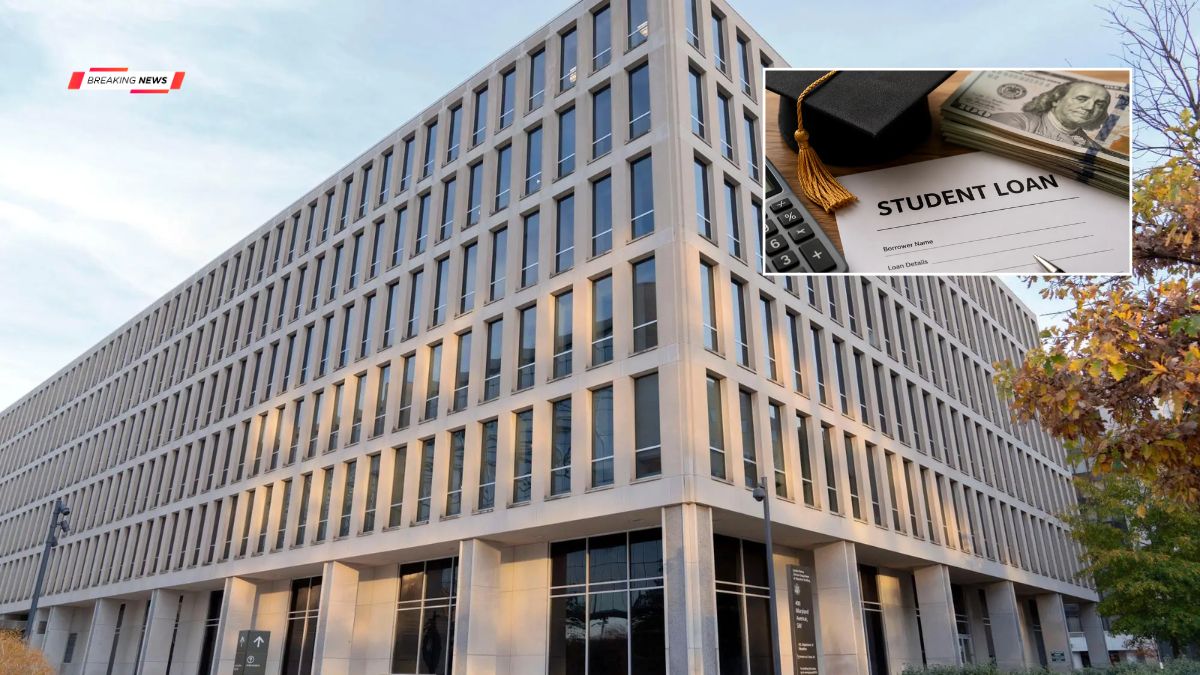
Major changes to the federal student loan system take effect July 1, reshaping repayment options, capping some borrowing limits, and increasing monthly costs for many borrowers. The updates, included in President Donald Trump’s “Big Beautiful Bill,” affect current borrowers as well as students who take out new loans after July begins.
Education experts warn the changes could strain household budgets at a time when millions are already struggling to keep up with payments.
“The main concern is the affordability of monthly payments,” said Michele Zampini, associate vice president at The Institute for College Access & Success. “A lot of people are going to see their payment increase significantly.”
SAVE
One of the most significant changes is the end of the SAVE repayment plan, a Biden-era program that offered some of the lowest monthly payments available. The plan was challenged in court shortly after its rollout, leaving borrowers uncertain for months. Earlier this year, the U.S. Court of Appeals for the 8th Circuit struck it down, and it officially ended this week.
About 7.5 million borrowers are enrolled in SAVE. Loan servicers are beginning to send notices informing them they have 90 days to enroll in a different income-driven repayment plan. If they do not choose a new plan within that window, the Education Department will automatically place them into a standard repayment option.
Borrower advocates recommend reviewing options as soon as possible, since processing delays are expected.
Payments
For borrowers using auto pay, a temporary interest-rate reduction begins July 1. Auto pay users will qualify for a 1 percent rate cut, though most already receive a 0.25 percent discount. That means the net reduction is 0.75 percent. The lower rate applies through June 2028.
Even with that change, experts say many borrowers will still see higher payments due to the loss of SAVE and narrower repayment options.
Graduate
New borrowing limits are being placed on graduate student loans. Under revised rules issued this week, federal loan caps are set at $200,000 for professional degree programs and $100,000 for other graduate programs. Previously, graduate students could borrow up to the full cost of attendance.
Following a court order, the administration restored higher borrowing eligibility for students in fields such as nursing and physical therapy, which had initially been subject to lower caps.
Parents
Parent PLUS Loans are also changing. New loans issued on or after July 1 are capped at $20,000 per student and $65,000 per family. Repayment options are more limited, with new borrowers restricted to a tiered standard repayment plan.
Income-driven repayment plans will no longer be available for new Parent PLUS borrowers. Those who consolidated their loans before July 1 can continue using income-contingent repayment until June 30, 2028, after which they will transition to income-based repayment.
Repayment
Current borrowers can still apply for Income-Based Repayment, Pay As You Earn, and Income-Contingent Repayment plans. Payments under these options are tied to discretionary income.
Borrowers taking out loans after July will have access to only one income-driven option, the Repayment Assistance Plan, along with a tiered standard plan that pays loans off over 10 to 25 years. The Education Department’s loan simulator can help borrowers compare options.
Forgiveness
The Public Service Loan Forgiveness program remains unchanged. Proposed rules that would have tightened nonprofit eligibility were blocked this week by two federal judges, just before they were set to take effect.
Default
Roughly 9 million borrowers are currently in default, according to the Education Department. Involuntary collections, including wage garnishment, remain paused. Borrowers in default can apply for loan rehabilitation, which offers reduced payments and can stop garnishment after five successful payments.
Consolidation
Borrowers with multiple federal loans can still consolidate them into a single loan through studentaid.gov. The process takes about 60 days and can only be done once.
As the new rules take effect, advocates urge borrowers to read official notices carefully and act early to avoid being locked into less flexible repayment options.
FAQs
When do the new student loan rules begin?
The changes take effect July 1.
Is the SAVE repayment plan still available?
No, the SAVE plan has officially ended.
Are graduate student loans now capped?

Yes, new limits apply to most graduate programs.
Do Parent PLUS loans still offer income-driven plans?
New loans after July 1 will not.
Has Public Service Loan Forgiveness changed?
No, the program remains unchanged.