
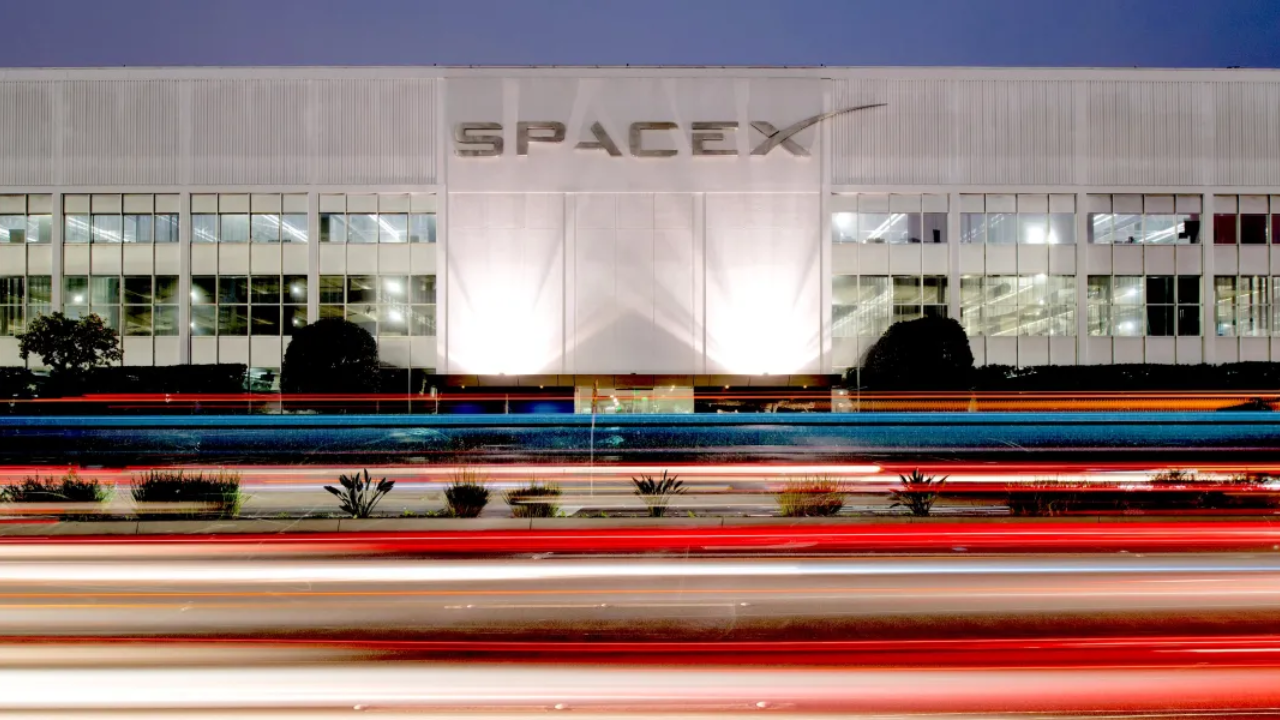
A successful initial public offering can mark the culmination of years of preparation, but for SpaceX Chief Financial Officer Bret Johnsen, it may also represent the beginning of an entirely new set of challenges. Following a widely anticipated $75 billion IPO, SpaceX enters a new era as a publicly traded company, bringing increased scrutiny from investors, regulators, and financial markets.
While the IPO itself is a landmark achievement, financial experts note that the real challenge often begins after a company goes public. As SpaceX continues expanding its launch operations, satellite services, and long-term ambitions in space exploration, Johnsen and his finance team will be responsible for balancing growth, profitability, transparency, and shareholder expectations. The transition from private company to public corporation requires significant changes in financial management, governance, and strategic decision-making.
The Significance of a $75 Billion IPO
The public offering represents one of the most significant milestones in SpaceX’s history. For years, the company operated as a privately held enterprise while developing reusable rocket technology, satellite networks, and ambitious exploration programs. The IPO provides access to substantial capital that can be used to support future growth initiatives and technological development.
A valuation of approximately $75 billion places SpaceX among the most valuable aerospace and technology companies in the world. Investors view the company as a major force in the commercial space industry due to its launch capabilities, innovation, and expanding business segments. The offering has generated significant attention across financial markets because of SpaceX’s influence on the future of space transportation and communications.
For Bret Johnsen, overseeing the financial aspects of such a major transaction represents a significant accomplishment. However, market analysts point out that maintaining investor confidence after the IPO may prove even more demanding than completing the offering itself.
New Responsibilities as a Public Company
Life as a publicly traded company differs significantly from operating as a private enterprise. SpaceX must now provide regular financial disclosures, comply with extensive reporting requirements, and communicate consistently with shareholders and market analysts. These responsibilities place additional pressure on financial leadership.
Johnsen’s role will likely involve managing quarterly earnings expectations while ensuring that long-term strategic objectives remain on track. Investors often focus on near-term performance metrics, while companies pursuing ambitious technological goals may prioritize long-term investments. Balancing those competing interests becomes one of the central challenges facing public-company executives.
The CFO must also oversee internal controls, risk management systems, and corporate governance processes that satisfy regulatory requirements. As SpaceX grows, maintaining operational efficiency while meeting these obligations will be critical to sustaining investor confidence.
Balancing Growth, Innovation, and Profitability
SpaceX operates in a capital-intensive industry that requires substantial investment in research, development, manufacturing, and infrastructure. The company’s ambitious projects include next-generation spacecraft, launch systems, satellite networks, and future exploration initiatives. Financing these efforts while demonstrating financial discipline will be a key priority.
Investors generally support innovation, but public markets also expect measurable progress and responsible financial management. Johnsen must help determine how resources are allocated among competing priorities while maintaining confidence among shareholders. Decisions regarding expansion, acquisitions, technology investments, and operational spending will receive close scrutiny.
The challenge becomes even greater because SpaceX competes in rapidly evolving markets where technological leadership can provide significant advantages. Maintaining that leadership requires continued investment while ensuring financial sustainability.
SpaceX IPO at a Glance
| Category | Details |
|---|---|
| Company | SpaceX |
| Key Executive | Bret Johnsen (CFO) |
| Event | Initial Public Offering (IPO) |
| Estimated Valuation | $75 Billion |
| Industry | Aerospace and Space Technology |
| Main Challenge | Managing post-IPO responsibilities |
| Investor Focus | Growth, profitability, and transparency |
| Financial Priority | Balancing innovation and shareholder expectations |
| Regulatory Impact | Increased reporting requirements |
| Long-Term Goal | Sustainable growth and market leadership |
Investor Expectations and Market Pressure
Public companies operate under continuous market evaluation. Share prices can fluctuate based on earnings reports, economic conditions, competitive developments, and investor sentiment. As a result, financial executives must carefully manage communications while ensuring accurate and timely disclosures.
SpaceX’s high profile means that investor expectations are likely to remain elevated. Shareholders will closely monitor launch activity, revenue growth, profitability trends, satellite business performance, and future expansion plans. Any deviation from expectations could attract significant attention from financial markets.
Johnsen’s ability to communicate the company’s strategy effectively may play an important role in maintaining investor confidence. Successful public companies often combine strong operational performance with clear messaging about future objectives and financial priorities.
The Future of SpaceX in Public Markets
The transition to public ownership marks a major turning point for SpaceX. Access to public capital markets may accelerate development efforts and provide additional resources for large-scale projects. At the same time, public ownership introduces new accountability requirements and greater external scrutiny.
Many analysts believe SpaceX is uniquely positioned due to its technological capabilities, established market presence, and ambitious long-term vision. However, success as a public company depends not only on innovation but also on financial execution and operational consistency.
For Bret Johnsen, the years following the IPO may define his legacy as much as the offering itself. Guiding one of the world’s most influential aerospace companies through the complexities of public ownership will require strategic planning, financial discipline, and adaptability in a constantly evolving industry.
The completion of SpaceX’s $75 billion IPO represents a historic milestone, but it also signals the beginning of a new chapter filled with opportunities and challenges. As Chief Financial Officer, Bret Johnsen now faces the task of managing investor expectations, regulatory requirements, and long-term growth objectives in the public spotlight.
While the IPO provides access to new resources and market opportunities, the company’s future success will depend on its ability to balance innovation with financial performance. The decisions made in the years ahead will shape not only SpaceX’s trajectory but also its role in the future of the global space industry.
FAQ’s:
Who is Bret Johnsen?
Bret Johnsen serves as the Chief Financial Officer of SpaceX and oversees the company’s financial strategy and operations.
Why is the $75 billion IPO significant?
The IPO marks a major milestone for SpaceX, providing access to public capital markets and increasing its visibility among global investors.
What challenges come after an IPO?

Companies must meet regulatory requirements, provide financial disclosures, manage investor expectations, and maintain strong business performance.
Why is balancing growth and profitability important?
Investors expect continued innovation while also seeking evidence of financial discipline and sustainable returns.
How could the IPO affect SpaceX’s future?
The offering may provide additional resources for expansion, technology development, and long-term space exploration initiatives while subjecting the company to greater public scrutiny.
















Ariana Grande Plans Break From Public Spotlight After Tour Amid Ongoing Scrutiny