
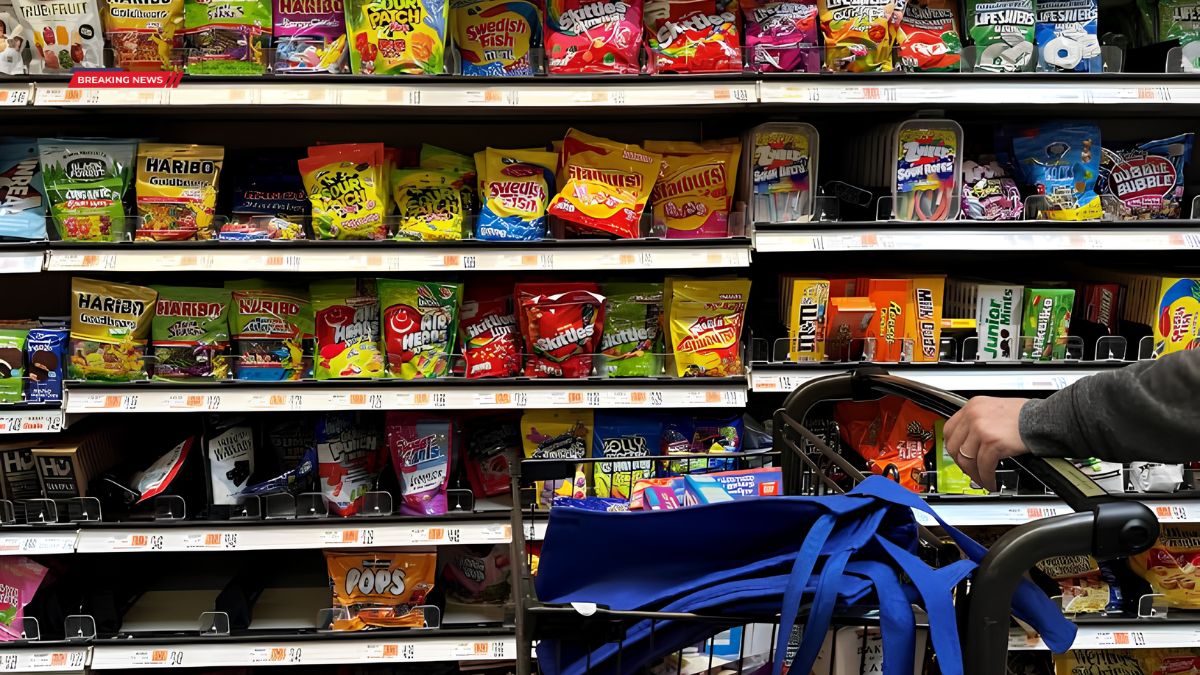
A federal judge has blocked efforts by the Trump administration to prohibit the use of Supplemental Nutrition Assistance Program benefits for soda, ruling that the U.S. Department of Agriculture exceeded its legal authority by approving state pilot programs that sought to redefine what qualifies as food under federal law.
U.S. District Judge Amy Berman Jackson issued the ruling Monday, vacating and remanding approval letters the USDA had granted to several states that wanted to restrict SNAP purchases of items such as soft drinks.
Ruling
In her decision, Jackson wrote that Congress clearly defined what constitutes food under the Food and Nutrition Act of 2008 and did not authorize the USDA to change or waive that definition.
“Congress defined what ‘food’ is supposed to be, and it did not authorize the agency to amend or waive the definition it enacted,” Jackson wrote. “It did not authorize the agency to cut types of food out of SNAP entirely.”
Jackson acknowledged the public health concerns related to obesity, particularly among low-income populations, but said Congress only allowed specific types of experimental projects, none of which included excluding entire categories of food from SNAP eligibility.
Background
Between April and August 2025, five states – Iowa, Nebraska, West Virginia, Colorado and Tennessee – submitted requests to the USDA seeking waivers to conduct pilot programs that would remove items such as soda and soft drinks from SNAP eligibility. The states argued the changes would promote healthier eating among benefit recipients.
The USDA approved the requests through formal letters signed under the leadership of Agriculture Secretary Brooke Rollins, according to court records.
Lawsuit
Five SNAP recipients from the affected states filed suit against the USDA, represented by the National Center for Law and Economic Justice, a nonprofit organization that advocates for low-income families. The plaintiffs argued that the agency lacked statutory authority to alter the definition of food established by Congress.
Jackson agreed, writing that USDA policy requires the agency to follow the definition laid out in federal law when determining what SNAP benefits can be used to purchase.
Broader Impact
According to Reuters, the USDA has approved food restriction waivers in 23 states overall. The restrictions were supported by Health and Human Services Secretary Robert F. Kennedy Jr. as part of the Make America Healthy Again initiative.
Jackson’s ruling directly blocks the soda-related restrictions tied to the waiver approvals challenged in the lawsuit and calls into question the broader legality of similar programs.
Response
When contacted for comment, a USDA spokesperson defended the agency’s position, saying, “The idea that taxpayer funds should not be used to purchase junk food should not be controversial.”
The spokesperson added that the department would continue to support policies aligned with the Make America Healthy Again agenda, including those affecting SNAP participants.
The ruling does not prevent Congress from changing SNAP eligibility rules through legislation, but it limits the USDA’s ability to do so through administrative action.
FAQs
What did the judge block?
Bans on using SNAP benefits to buy soda.
Which states were involved?
Iowa, Nebraska, West Virginia, Colorado and Tennessee.
Why did the judge rule against USDA?

She said Congress did not allow redefining food under SNAP.
Who brought the lawsuit?
Five SNAP recipients represented by a legal nonprofit.
Does the ruling change SNAP law?
No, only Congress can change SNAP eligibility rules.







Ariana Grande Plans Break From Public Spotlight After Tour Amid Ongoing Scrutiny