

Rising living costs in the Seattle area are forcing some households to reconsider their spending, housing choices, and long-term financial plans. Even families connected to the region’s powerful technology industry say they are feeling pressure from higher prices for housing, food, transportation, and other everyday expenses.
One Seattle-area family has decided to sell their home and move to a smaller property as they try to manage increasing costs. They say the decision reflects a broader challenge facing many middle-class households trying to maintain financial stability.
Costs
Liesl Gatcheco, a self-employed esthetician, told The Seattle Times that the past year has required significant changes in how her family spends money.
“The last year has definitely been an absolute tightening up of what we’re spending on,” Gatcheco said. She added that the situation has been emotionally difficult and described feeling as though she was living in “survival mode.”
According to reporting by Jessica Fu, inflation in the Seattle-Tacoma-Bellevue area remained above the national average. Consumer prices in the region increased 4.5% over the previous year in June, compared with a U.S. inflation rate of 3.5%.
| Area | Inflation Rate |
|---|---|
| Seattle-Tacoma-Bellevue | 4.5% |
| United States Average | 3.5% |
Housing
Housing costs remain one of the biggest challenges for many Seattle-area residents. Gatcheco and her husband decided to sell their home in Crown Hill, a Seattle neighborhood, and move to a smaller property.
The couple, who have twins, also share their home with Gatcheco’s sister, who lives in a downstairs unit. They said downsizing would help them regain more control over their finances.
For many families, selling a home is a major decision, but rising expenses have changed how some homeowners think about long-term financial security.
Technology
The family’s situation is notable because Gatcheco’s husband works at Microsoft, one of the largest technology companies in the world. Traditionally, technology jobs in the Seattle area have been viewed as stable and well-paying careers.
However, recent layoffs across the industry have created uncertainty among workers.
The Seattle Times reported that Microsoft cut thousands of positions in recent years, including reductions affecting its Xbox division and sales teams. The company also offered voluntary buyouts to some U.S.-based employees.
Gatcheco said the perception of technology jobs has changed.
“Working in tech used to be a sure thing, and it’s absolutely not anymore,” she said.
Transportation
Rising costs are also affecting how residents travel. Dusty Wilson, a math teacher at Highline College in Des Moines, said he and his wife have changed their driving habits because of higher fuel prices.
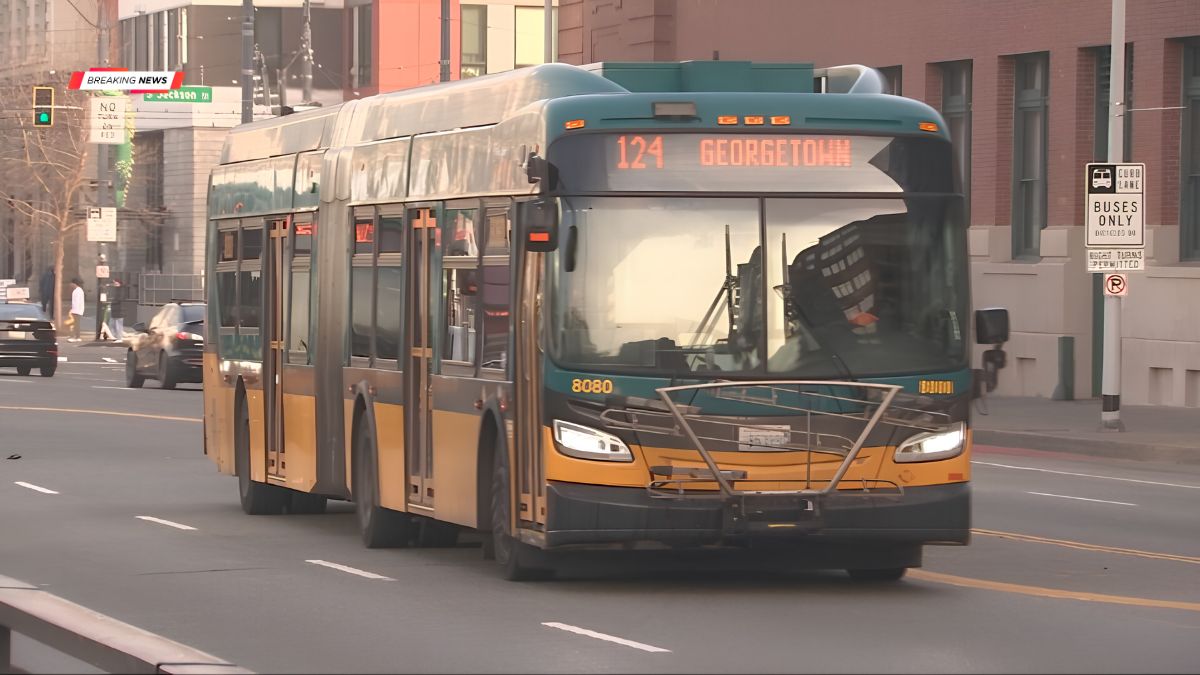
Wilson said they began using light rail more often after gas prices increased.
“We were always just drivers, and then gas hit $6 a gallon,” Wilson said.
Transportation costs have become a significant concern for many households as fuel prices, insurance rates, and vehicle expenses continue affecting monthly budgets.
Spending
Higher prices have also changed how some residents approach everyday purchases. According to The Seattle Times, restaurant prices in the Seattle area increased 6.2% over the year ending in June.
Jessica Fu reported that activities such as takeout meals and dining out, once considered normal expenses, are becoming less common for some households.
Veronica Brown, a 36-year-old technology worker, said she is financially comfortable but has still adjusted her spending habits.
She explained that she stopped ordering takeout after a typical pad thai delivery order reached more than $40 after taxes, fees, and a tip. Previously, she ordered delivery once or twice a month.
Brown said higher costs have also made larger purchases, such as buying a home, feel more difficult.
“Our money doesn’t go as far,” she said.
Response
Seattle officials have acknowledged affordability as one of the city’s major challenges. A spokesperson for Mayor Katie Wilson said the administration is focused on issues including housing, childcare, employment opportunities, and access to public services.
The mayor’s office highlighted several efforts aimed at reducing financial pressure on residents, including proposals addressing renter fees, expanding shelter construction, improving public transportation options, and increasing access to public benefits.
The office also pointed to initiatives involving public libraries, school meals, utility discounts, and other programs designed to support lower-income residents and families.
Future
The financial pressures facing Seattle residents reflect a wider discussion about the cost of living in major metropolitan areas. While the region remains a center for technology and economic growth, many households say rising prices have made it harder to maintain the lifestyle they once expected.
For families like the Gatchecos, downsizing represents a way to adjust to changing economic conditions. Others are reducing discretionary spending, changing transportation habits, or delaying major purchases.
As Seattle continues to grow, the challenge for policymakers and residents will be finding ways to balance economic opportunity with affordability. The experiences of local families show how inflation and housing costs are influencing everyday decisions across the region.
FAQs
Why are Seattle families downsizing?
Rising housing and living costs are driving changes.
What is Seattle inflation rate?
Seattle area inflation was reported at 4.5%.
Why are tech workers concerned?

Layoffs have created uncertainty in the industry.
Who is Liesl Gatcheco?
She is a Seattle-area self-employed esthetician.
What costs increased most?
Housing, food, gas, and insurance costs rose.














Kayla Nicole Opens Up About Love and Relationships After Travis Kelce’s New Chapter