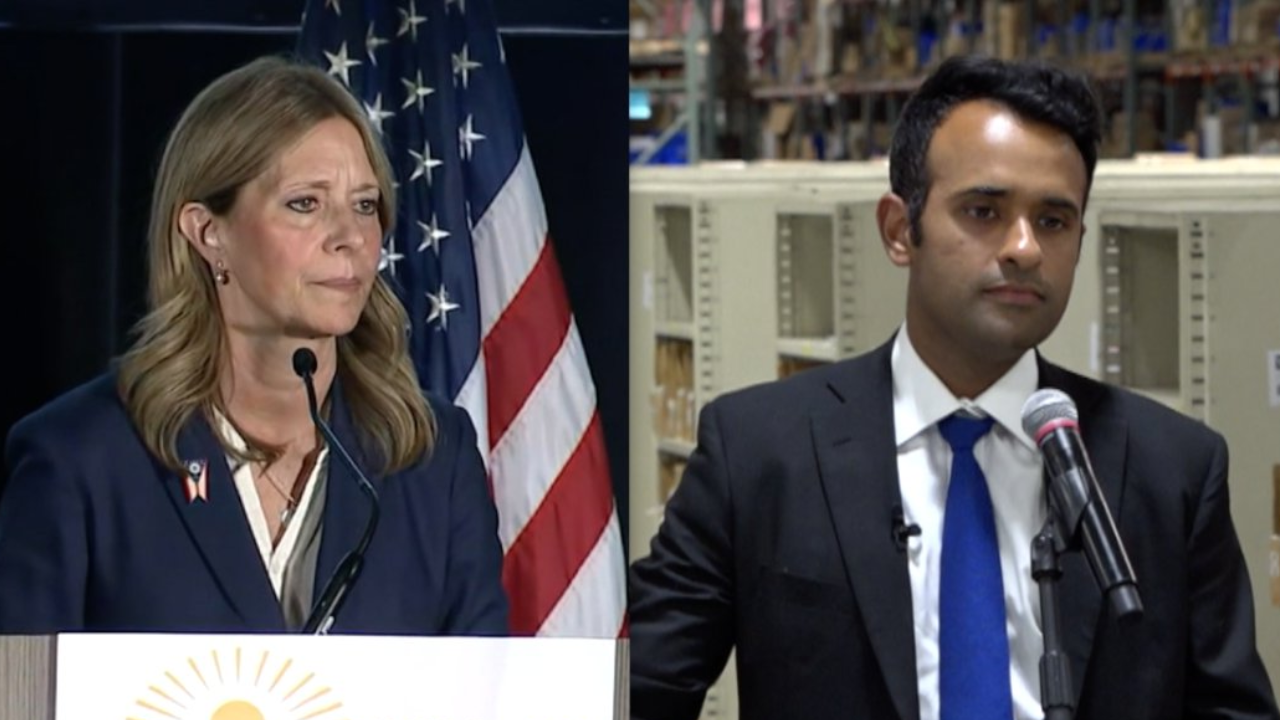
Both major candidates competing for the position of Ohio governor have made tax relief a central part of their campaigns, promising voters that they will work to reduce the financial burden on residents. However, while both candidates have emphasized the need for lower taxes, they have provided limited details about exactly how their proposals would work or how they would affect the state’s budget.
The debate over taxes has become a major issue in the governor’s race as Ohio residents continue to discuss the cost of living, government spending, and economic growth. Candidates have argued that tax reductions could help families and businesses, but questions remain about the specific policies, timelines, and funding approaches behind their promises.
Candidates Make Tax Relief a Campaign Focus
The candidates running for governor in Ohio have positioned tax relief as an important part of their economic messages. Both have argued that residents should be able to keep more of their income and that reducing taxes could strengthen the state’s economy by encouraging consumer spending and business investment.
Campaign statements have focused on the idea that Ohio families are facing financial pressure from rising costs, making tax policy a key concern for voters. Supporters of tax cuts say they could provide immediate benefits to households, while critics argue that lawmakers must carefully consider how reductions would affect public services, education, infrastructure, and state programs.
Despite making tax relief a major campaign theme, neither candidate has released extensive details outlining exactly which taxes would be reduced, how large the cuts would be, or how the state would manage potential revenue losses.
Questions Remain Over Funding and Implementation
Economic experts and political observers have raised questions about the feasibility of broad tax reduction promises without more specific proposals. Cutting taxes can provide financial benefits to residents, but state governments must also balance budgets and maintain essential services.
Ohio’s governor plays an important role in shaping the state’s tax policies, working with lawmakers to approve budgets and determine spending priorities. Any major tax changes would likely require legislative approval, meaning the governor’s ability to implement campaign promises would depend on cooperation with members of the Ohio General Assembly.
The lack of detailed plans has created uncertainty among voters who want to understand how proposed tax changes would affect them personally. Some residents may support the general idea of tax relief but want more information about which taxes would change and whether other areas of government spending would be affected.
Economic Impact Becomes Central Election Issue
The discussion around tax relief reflects a broader debate about Ohio’s economic future. Candidates often use tax policy as a way to demonstrate their approach to business development, job creation, and financial management.
Supporters of lower taxes argue that keeping more money in the hands of individuals and companies can stimulate economic activity. They believe reduced tax burdens can make Ohio more attractive for businesses and help families manage everyday expenses.
Opponents of major tax reductions caution that funding for public programs must also remain a priority. They argue that tax decisions should consider long-term economic stability and ensure that communities continue receiving necessary services.
| Ohio Governor Race Tax Debate | Details |
|---|---|
| Location | Ohio, USA |
| Main Issue | Tax relief proposals |
| Candidates’ Position | Both promise some form of tax relief |
| Major Concern | Limited details on implementation |
| Key Questions | Which taxes would be reduced and how would cuts be funded? |
| Potential Impact | Families, businesses, state budget, public services |
| Decision Makers | Governor and Ohio General Assembly |
| Economic Debate | Tax cuts versus maintaining government services |
| Voter Focus | Cost of living and economic growth |
| Current Status | Campaign proposals under discussion |
Tax relief has emerged as a major issue in the Ohio governor race, with both candidates promising to reduce the financial burden on residents. However, voters are still waiting for more detailed plans explaining how those promises would be carried out and what impact they could have on the state’s finances.
As the election campaign continues, tax policy is expected to remain a key topic of debate. The candidates’ ability to explain the details behind their proposals may play an important role in how Ohio voters evaluate their economic plans and leadership priorities.
FAQ’s:
What issue are Ohio governor candidates focusing on?
Both candidates have made tax relief a major part of their campaign platforms.
Have candidates provided detailed tax plans?
The candidates have discussed tax relief goals but have provided limited details about specific cuts or implementation plans.
Why is tax policy important in the election?

Taxes affect household finances, businesses, government revenue, and funding for public services, making the issue important to voters.
Who would approve major tax changes in Ohio?
Major tax changes would typically require action from the Ohio governor and the state legislature.
What are the main questions about the tax proposals?
Voters and experts are asking which taxes would be reduced, how much revenue would be affected, and how the state would maintain essential services.