
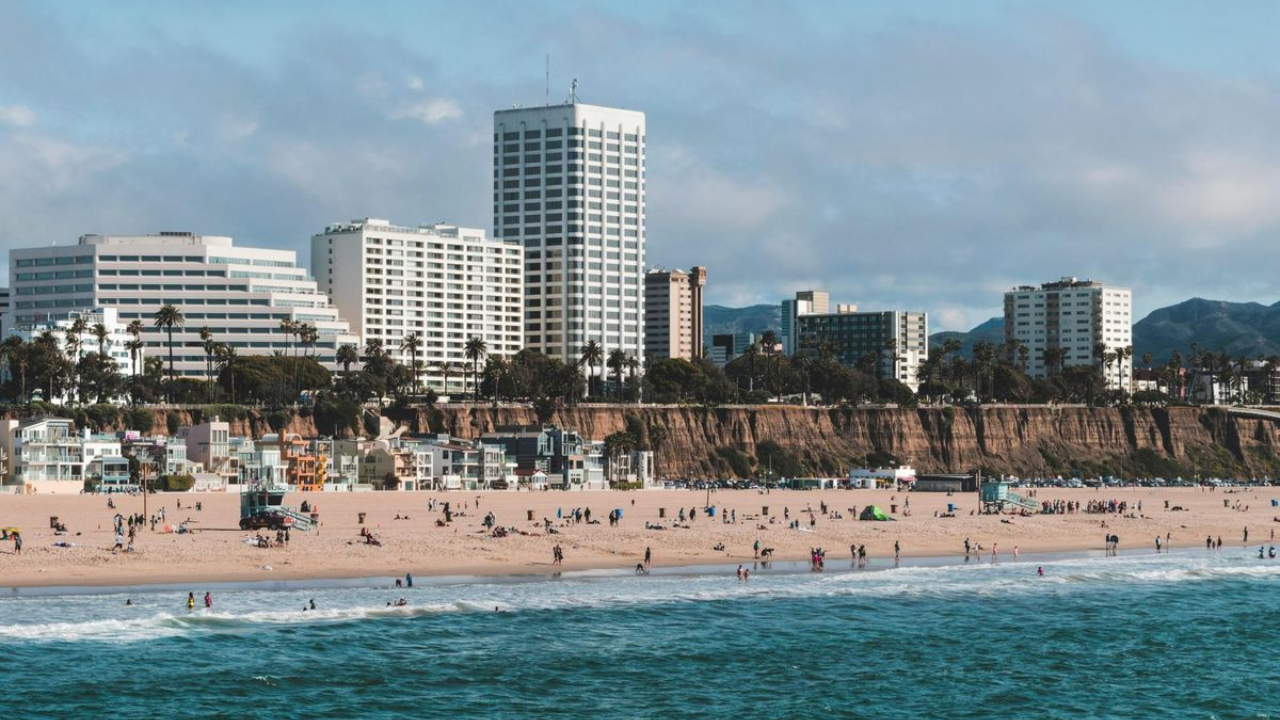
Santa Monica’s commercial real estate market is entering a period of transformation, and industry leaders are preparing to discuss what comes next for one of Los Angeles County’s most influential business districts. An upcoming Bisnow event focused on repositioning LA’s Westside will bring together developers, investors, brokers, city officials, and commercial property experts to examine the opportunities and challenges shaping the future of Santa Monica.
The forum comes at a critical time as the city works to attract new businesses, fill vacant office spaces, strengthen economic activity, and adapt to changing workplace trends. As companies rethink office needs and investors look for new opportunities, Santa Monica remains a focal point in conversations about the future of commercial real estate across Southern California.
Santa Monica Faces a Changing Commercial Real Estate Landscape
Over the past several years, Santa Monica has experienced significant shifts in its commercial real estate sector. Like many major business centers, the city has been affected by changing work habits, including hybrid and remote work models that have altered demand for traditional office space.
Property owners and developers have responded by exploring new uses for existing buildings, including mixed-use developments, creative office environments, hospitality projects, and community-focused destinations. These efforts are intended to help maintain Santa Monica’s reputation as a premier location for technology companies, creative industries, and professional services.
At the same time, city leaders continue working to attract investment while supporting local businesses. Economic development strategies increasingly focus on revitalizing commercial corridors, encouraging innovation, and improving the overall experience for workers, residents, and visitors.
Key Topics Expected at the Bisnow Event
The upcoming event is expected to examine a wide range of issues affecting Santa Monica and the broader Westside market. Industry professionals will discuss current office leasing conditions, investment trends, redevelopment opportunities, and the long-term outlook for commercial properties.
A major topic is likely to be the future of office buildings as employers continue adapting to evolving workplace expectations. Many companies now seek flexible workspaces that encourage collaboration while offering amenities designed to attract employees back to physical offices.
Participants are also expected to address retail recovery and the role of experiential destinations in driving foot traffic. Restaurants, entertainment venues, and mixed-use developments have become increasingly important components of commercial real estate strategies, particularly in high-profile coastal markets such as Santa Monica.
In addition, discussions may focus on infrastructure improvements, transportation access, sustainability initiatives, and public-private partnerships that can support long-term economic growth across the Westside region.
Opportunities for Investors and Developers
Despite challenges facing commercial real estate nationwide, many investors continue to view Santa Monica as a desirable market. The city’s coastal location, strong tourism sector, affluent population, and established business community provide advantages that remain attractive to property owners and developers.
Real estate experts suggest that repositioning existing assets could become one of the most important strategies moving forward. Rather than constructing entirely new projects, developers may focus on modernizing older properties to better meet current market demands.
This includes redesigning office spaces, improving energy efficiency, adding outdoor amenities, and incorporating mixed-use elements that combine residential, retail, and commercial functions. Such projects can help revitalize underutilized properties while responding to changing consumer and tenant preferences.
Investors are also paying close attention to Santa Monica’s ability to attract innovative industries, including technology, media, healthcare, and creative businesses. Continued growth in these sectors could support long-term demand for commercial space throughout the region.
Event Overview Table
| Category | Details |
|---|---|
| Event Focus | Santa Monica Commercial Real Estate |
| Organizer | Bisnow |
| Region | Los Angeles Westside |
| Main Topics | Office, retail, investment, redevelopment |
| Participants | Developers, investors, brokers, city leaders |
| Key Issue | Commercial property repositioning |
| Market Focus | Santa Monica and surrounding Westside communities |
| Industry Sectors | Office, retail, mixed-use, hospitality |
| Objective | Explore future growth opportunities |
| Expected Outcome | Industry insights and strategic discussions |
Economic Development and the Future of the Westside
The discussion extends beyond individual properties and focuses on broader economic development goals. Santa Monica plays a major role in the Westside economy, serving as a center for business activity, tourism, technology, and innovation.
Officials and business leaders recognize that maintaining competitiveness requires ongoing adaptation. Investments in infrastructure, public spaces, transportation systems, and workforce development are increasingly viewed as essential components of a successful commercial real estate strategy.
The city’s ability to balance growth with quality of life will also remain a key consideration. Residents, businesses, and policymakers continue to debate how best to encourage economic activity while preserving Santa Monica’s unique character and coastal appeal.
Industry observers believe that collaboration between the public and private sectors will be critical in shaping the next phase of development. Events such as the upcoming Bisnow forum provide opportunities for stakeholders to exchange ideas and identify solutions to shared challenges.
Why Santa Monica Remains a Key Market
Even amid market uncertainty, Santa Monica continues to rank among Southern California’s most recognizable commercial real estate markets. Its combination of beach access, cultural attractions, business infrastructure, and high-profile employers creates a unique environment that many cities struggle to replicate.
The area’s strong brand recognition helps attract companies seeking prestigious office locations and businesses looking to establish a presence in a vibrant community. Tourism also contributes to the local economy, supporting retail, hospitality, and mixed-use developments.
As commercial real estate continues evolving, Santa Monica’s ability to innovate and adapt may determine how successfully it navigates future challenges. The discussions taking place at industry forums are expected to play an important role in shaping that future.
The upcoming Bisnow event examining Santa Monica commercial real estate arrives at an important moment for Los Angeles’ Westside. As developers, investors, and public officials evaluate changing market conditions, the focus is increasingly shifting toward innovation, repositioning, and long-term economic sustainability.
Santa Monica remains one of Southern California’s most influential business hubs, and the decisions made today could shape its commercial landscape for years to come. By bringing together key stakeholders, the event aims to provide valuable insights into how the city can continue evolving while maintaining its position as a leading destination for business, investment, and community growth.
FAQ’s:
What is the main focus of the Bisnow event?
The event focuses on Santa Monica commercial real estate and the future of Los Angeles’ Westside market.
Who is expected to attend?
Developers, investors, brokers, city officials, and commercial real estate professionals.
What topics will be discussed?

Office leasing, redevelopment, investment trends, retail recovery, and economic development.
Why is Santa Monica important to the Westside economy?
It serves as a major center for business, tourism, technology, and commercial activity.
What is meant by repositioning commercial real estate?
It refers to updating or repurposing properties to better meet current market demands and tenant needs.











Ariana Grande Plans Break From Public Spotlight After Tour Amid Ongoing Scrutiny