
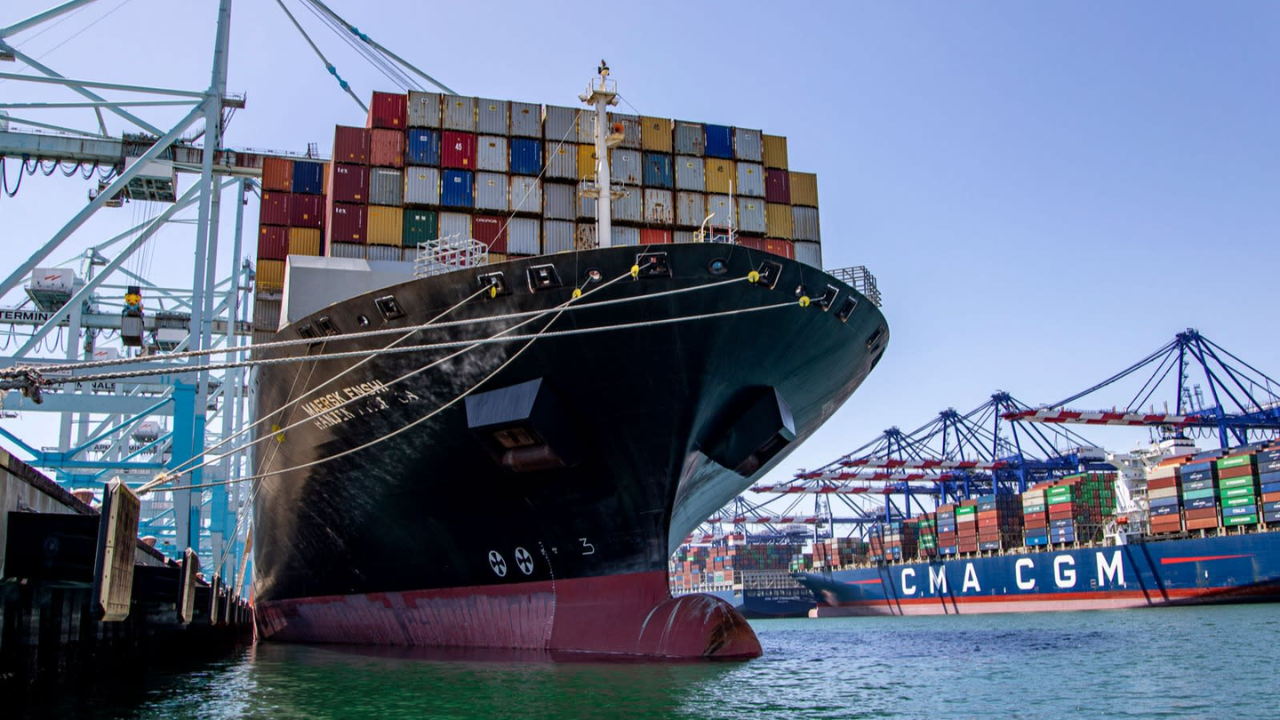
The Port of Los Angeles, the busiest container port in the United States, has forecast a 7% decline in container volume, raising concerns about the strength of global trade and the future outlook for supply chains. Port officials say the anticipated decrease reflects a combination of economic uncertainty, shifting trade patterns, inventory adjustments, and changes in international shipping demand.
The forecast comes after several years of dramatic fluctuations in cargo movement caused by pandemic-related disruptions, inflationary pressures, geopolitical tensions, and evolving consumer spending habits. While the port remains one of the most important gateways for international commerce, officials acknowledge that reduced cargo activity could affect businesses, transportation networks, and employment across Southern California and beyond.
Economic and Trade Factors Behind the Forecast
Port officials attribute the projected decline largely to changing economic conditions and uncertainty in global markets. Businesses have become more cautious with inventory purchases as consumers reduce discretionary spending and economic growth slows in several major economies. As a result, importers are bringing in fewer goods, leading to lower container volumes.
International trade policies and ongoing geopolitical challenges have also influenced shipping patterns. Companies continue adjusting supply chains to reduce risk, diversify sourcing locations, and respond to changing tariff policies. These shifts can affect cargo flows through major ports, including Los Angeles, which handles a substantial portion of goods entering the United States from Asia and other global markets.
Industry experts note that container volume trends often serve as an important indicator of broader economic activity. A decline in cargo movement can signal weaker consumer demand, slower manufacturing output, and reduced business investment.
Impact on Businesses, Workers, and Supply Chains
A decrease in container traffic could have significant implications for businesses that rely on port operations. Shipping companies, trucking firms, warehouse operators, rail providers, and logistics companies all depend on cargo volume to generate revenue and maintain employment levels.
Southern California’s economy is closely tied to the movement of goods through the Port of Los Angeles. Thousands of workers are employed directly or indirectly through port-related industries. While a 7% decline does not necessarily indicate a crisis, it could result in reduced workloads, fewer shipping contracts, and slower activity across the logistics sector.
Businesses that depend on imports may experience some benefits if reduced demand leads to improved supply chain efficiency and lower transportation costs. However, prolonged declines could create uncertainty for companies planning future investments and expansion projects.
Port Officials Remain Focused on Long-Term Growth
Despite the projected decline, port leadership remains optimistic about the long-term future of the Port of Los Angeles. Officials point to ongoing infrastructure investments, modernization efforts, and sustainability initiatives designed to strengthen the port’s competitive position in global trade.
The port continues investing in cargo-handling technology, environmental programs, and transportation improvements aimed at increasing efficiency. These projects are intended to prepare the facility for future growth while reducing congestion and improving operational performance.
Port leaders emphasize that shipping volumes naturally fluctuate based on economic conditions. While short-term declines can occur, the long-term importance of Los Angeles as a major trade gateway remains unchanged due to its strategic location, established infrastructure, and extensive transportation connections.
Port of Los Angeles Volume Forecast Overview
| Category | Details |
|---|---|
| Port | Port of Los Angeles |
| Forecast Change | 7% decline in container volume |
| Industry Affected | Shipping and logistics |
| Key Concern | Reduced cargo movement |
| Economic Factors | Slower demand and trade uncertainty |
| Business Impact | Potential decrease in freight activity |
| Worker Impact | Possible reduction in workload |
| Long-Term Strategy | Infrastructure modernization |
| Supply Chain Effect | Changes in cargo flow patterns |
| Outlook | Cautious but stable |
Global Shipping Industry Watching Closely
The forecast is attracting attention from shipping companies, economists, and trade analysts who closely monitor cargo volumes as indicators of economic health. Major ports worldwide have experienced varying levels of growth and decline as global trade patterns continue evolving.
Shipping carriers are adjusting schedules and capacity based on anticipated demand levels. Meanwhile, retailers and manufacturers are evaluating inventory strategies to avoid overstocking while ensuring products remain available for consumers. These decisions directly influence the number of containers moving through major ports.
Experts suggest that future cargo volumes will depend on several factors, including inflation trends, consumer confidence, international trade policies, and economic performance in key markets. Any improvement in global economic conditions could help stabilize or increase shipping demand.
What the Forecast Means for Southern California
The Port of Los Angeles serves as a critical economic engine for Southern California. Cargo arriving at the port supports jobs, tax revenue, and commercial activity throughout the region. A decline in container volume may create challenges for some industries, but officials stress that the port remains operationally strong and financially stable.
Regional leaders continue supporting initiatives that improve efficiency, reduce environmental impacts, and strengthen the competitiveness of California’s ports. Investments in infrastructure and technology are expected to help the port adapt to changing market conditions while maintaining its role as a key gateway for international commerce.
While the projected decline reflects current economic realities, many analysts believe the port is well-positioned to recover when trade activity strengthens and global demand improves.
The Port of Los Angeles’ forecast of a 7% decline in container volume highlights the challenges facing global trade and supply chains amid economic uncertainty. Reduced consumer demand, changing trade patterns, and cautious business spending are contributing to lower cargo expectations in the months ahead.
Although the forecast presents short-term concerns for shipping, logistics, and transportation industries, port officials remain focused on long-term growth through modernization and infrastructure investment. As economic conditions evolve, the Port of Los Angeles will continue playing a central role in connecting global markets and supporting the U.S. economy.
FAQ’s:
Why is the Port of Los Angeles forecasting a decline in container volume?
Officials cite slower consumer demand, economic uncertainty, and changing global trade patterns as major factors.
How much of a decline is expected?
The port has projected a 7% decrease in container volume.
Who could be affected by lower cargo traffic?

Shipping companies, truckers, warehouse operators, rail providers, and logistics businesses may experience reduced activity.
Does the forecast indicate a major economic crisis?
Not necessarily. Port volumes often fluctuate based on economic conditions and consumer demand.
What is the port doing to prepare for the future?
The Port of Los Angeles continues investing in infrastructure upgrades, technology improvements, and sustainability initiatives to support long-term growth.

















Ariana Grande Plans Break From Public Spotlight After Tour Amid Ongoing Scrutiny