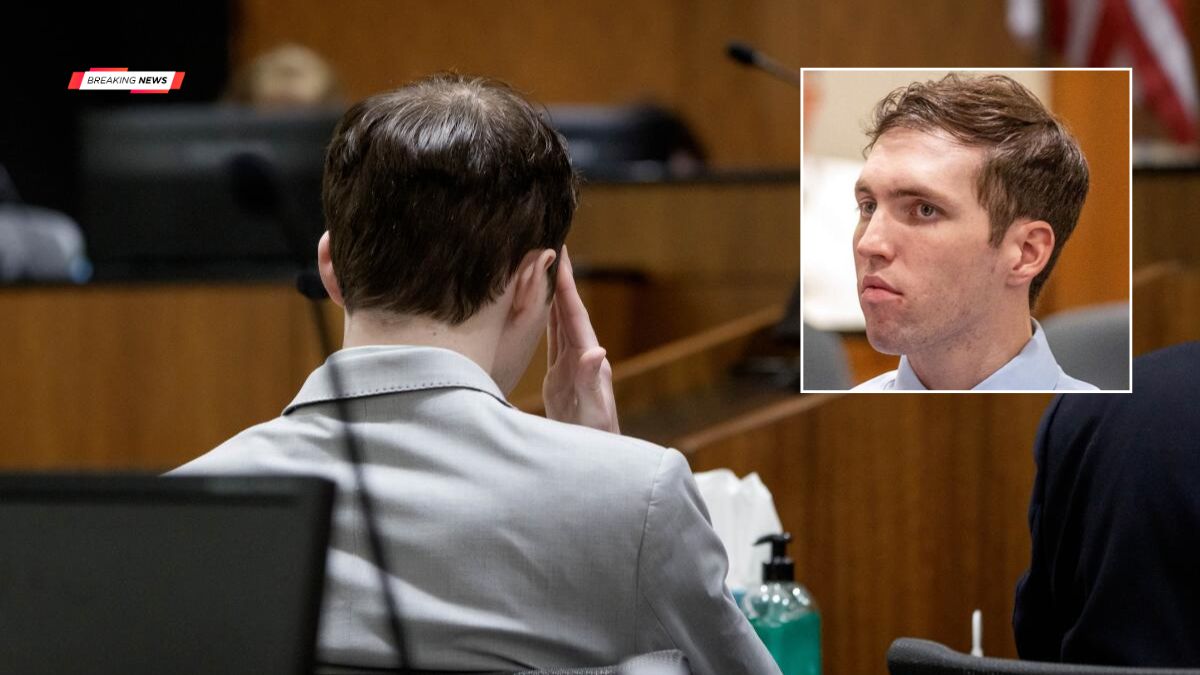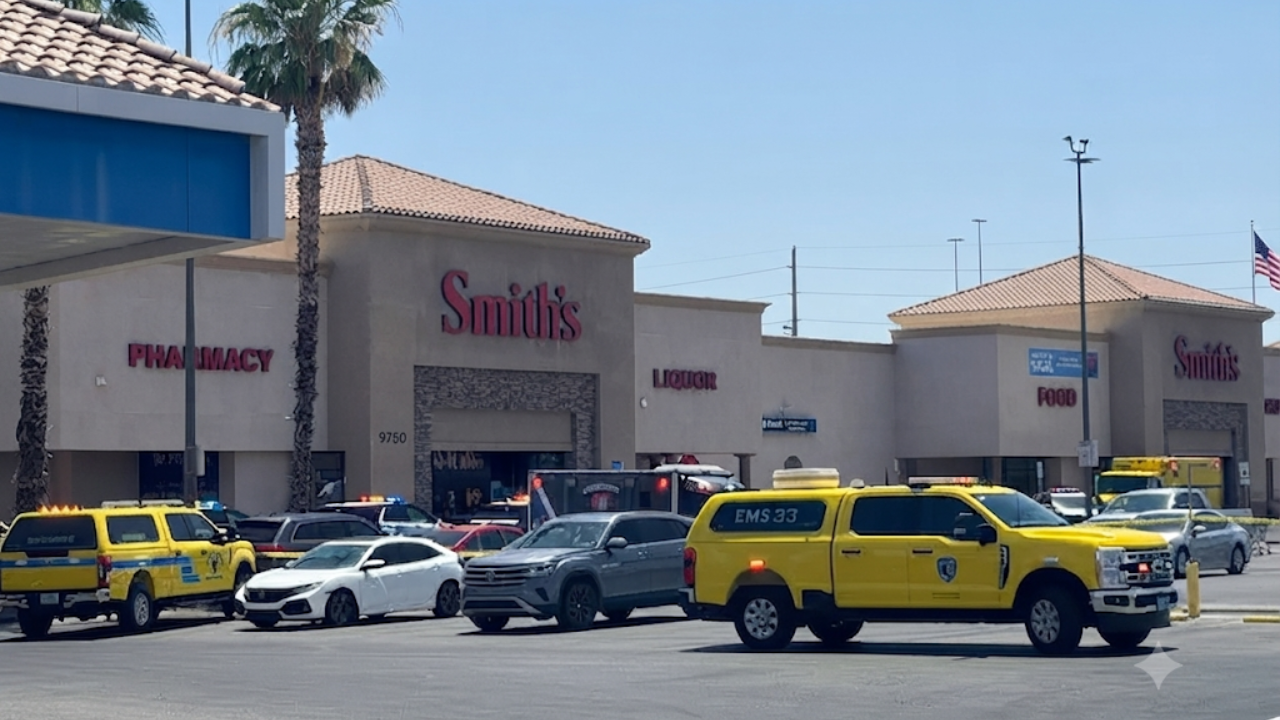
Newly obtained investigative photographs have provided additional insight into the aftermath of a fatal workplace shooting in Las Vegas, Clark County, Nevada. The images, obtained after the incident, document the conditions investigators encountered while processing the crime scene and continue to play a role in understanding the sequence of events that led to the deadly shooting.
Authorities say the homicide investigation remains an important example of how crime scene documentation supports criminal prosecutions. Detectives, forensic specialists, and evidence technicians carefully examined the workplace after the shooting, collecting physical evidence, photographing the scene, and reconstructing the events that resulted in the victim’s death. The investigation relied on extensive forensic analysis in addition to witness interviews and other evidence.
Crime Scene Documentation Reveals Scope of Investigation
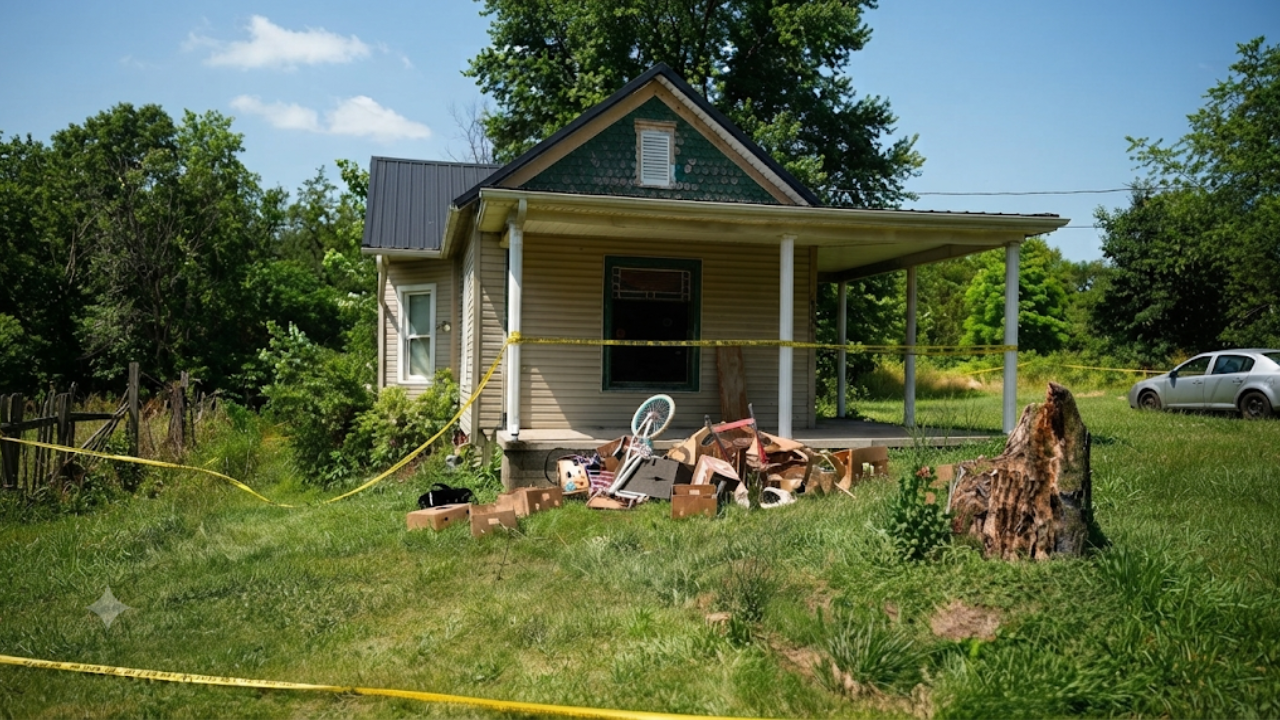
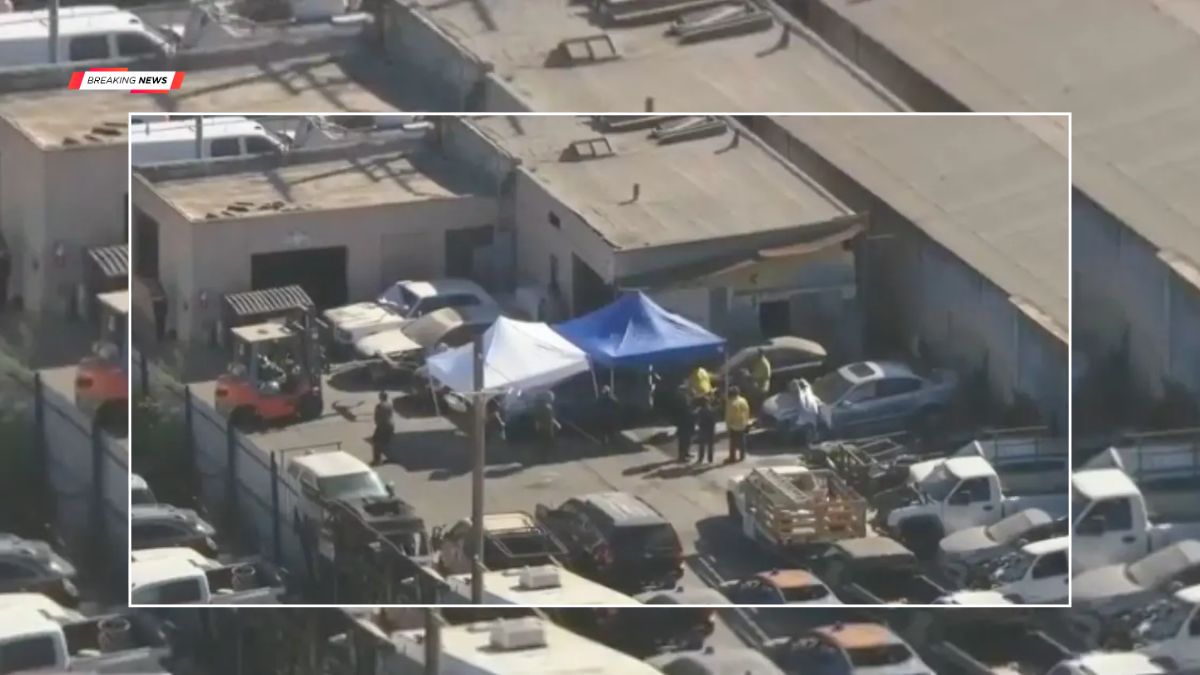
Following the fatal shooting, law enforcement officers secured the workplace to prevent contamination of evidence while crime scene investigators began documenting every aspect of the location. Newly released photographs reportedly show the extensive investigative process carried out after emergency responders had secured the building.
Investigators systematically photographed work areas, entrances, hallways, evidence locations, and other parts of the property. Crime scene photography is considered one of the most important investigative tools because it preserves the original condition of the scene before evidence is collected or moved for laboratory examination.
Evidence technicians also marked the locations of physical evidence, documented ballistic findings, and collected items that could assist forensic testing. Investigators carefully measured distances, prepared scene diagrams, and preserved potential fingerprints, DNA evidence, and trace materials that may later be presented during court proceedings.
Officials emphasize that crime scene photographs are not released to sensationalize violent incidents. Instead, such documentation forms part of the official investigative record and helps detectives, prosecutors, forensic experts, and juries understand how investigators reconstructed the events surrounding a homicide.
Detectives Reconstruct Timeline Through Evidence
Beyond photographing the scene, investigators worked to establish a detailed timeline leading up to the workplace shooting. Detectives interviewed employees, witnesses, emergency responders, and others who may have observed events before or after the shooting occurred.
Surveillance footage from inside and outside the workplace, electronic access records, emergency communications, and digital evidence were also reviewed to determine the movements of those involved. Combined with forensic findings, investigators used this information to reconstruct the sequence of events as accurately as possible.
Ballistics experts examined firearms, cartridge casings, bullet trajectories, and recovered projectiles to determine how the shooting unfolded. Forensic scientists also conducted laboratory testing on physical evidence collected at the scene, helping investigators verify witness accounts and establish important facts relevant to the investigation.
Authorities say homicide investigations require collaboration among patrol officers, detectives, forensic laboratories, medical examiners, and prosecutors. Each piece of evidence contributes to a broader understanding of what occurred and supports the legal process as the case moves forward.
Workplace Violence Investigation Highlights Importance of Evidence Preservation
The case underscores the critical role that evidence preservation plays in workplace violence investigations. Once officers secure a scene, investigators follow strict procedures to maintain the integrity of physical evidence so it remains admissible during future court proceedings.
Crime scene specialists document every stage of evidence collection, maintain chain-of-custody records, and ensure that forensic samples are properly packaged and transported for laboratory analysis. These procedures help prevent contamination while preserving the reliability of scientific testing.
Law enforcement officials note that workplace shootings often involve extensive reviews of security procedures, emergency response protocols, and witness statements. Investigators may also examine communication records and prior interactions relevant to establishing motive, although such determinations are based solely on verified evidence gathered during the investigation.
Authorities continue encouraging anyone with additional information related to the case to cooperate with investigators. While newly released photographs provide a clearer understanding of the investigative process, officials stress that the criminal case is built upon the totality of evidence rather than any single photograph or document.
| Key Information | Details |
|---|---|
| Incident | Fatal workplace shooting investigation |
| Location | Las Vegas, Clark County, Nevada |
| Evidence Released | Newly obtained crime scene photographs |
| Investigative Focus | Crime scene reconstruction and forensic analysis |
| Evidence Reviewed | Photographs, surveillance video, witness statements, ballistic evidence, forensic testing |
| Agencies Involved | Law enforcement, crime scene investigators, forensic specialists |
| Investigation Status | Ongoing criminal investigation |
| Purpose of Evidence | Documenting scene conditions and supporting prosecution |
The release of newly obtained crime scene photographs offers additional insight into the extensive investigative work conducted following the fatal workplace shooting in Las Vegas. Investigators carefully documented the scene, collected forensic evidence, interviewed witnesses, and reconstructed the timeline to establish an accurate understanding of the incident.
As the criminal case continues through the legal system, authorities emphasize that every piece of evidence—from photographs and ballistic findings to witness testimony and forensic laboratory results—contributes to ensuring a thorough and impartial investigation. Officials remain committed to presenting verified evidence while allowing the judicial process to determine the outcome of the case.
Frequently Asked Questions:
Where did the workplace shooting occur?
The incident occurred in Las Vegas, Clark County, Nevada.
What do the newly obtained photographs show?
The photographs reportedly document the aftermath of the crime scene and the evidence-processing efforts conducted by investigators after the fatal shooting.
Why are crime scene photographs important?
Crime scene photographs preserve the original condition of the scene, document evidence locations, and assist investigators, forensic experts, and prosecutors throughout the investigation and court process.
What evidence are investigators examining?
Authorities are reviewing crime scene photographs, surveillance footage, witness statements, ballistic evidence, forensic laboratory results, and digital records.
Is the investigation complete?
No. The investigation remains ongoing, and authorities continue evaluating evidence as the case proceeds through the criminal justice system.