Nearly 80 years after the murder of Elizabeth Short, commonly known as the “Black Dahlia,” filmmakers behind an upcoming documentary series say they have uncovered new evidence that they believe could help explain one of Los Angeles’ most enduring unsolved crimes. Their findings have not been verified by law enforcement, and the case officially remains unsolved.
Case
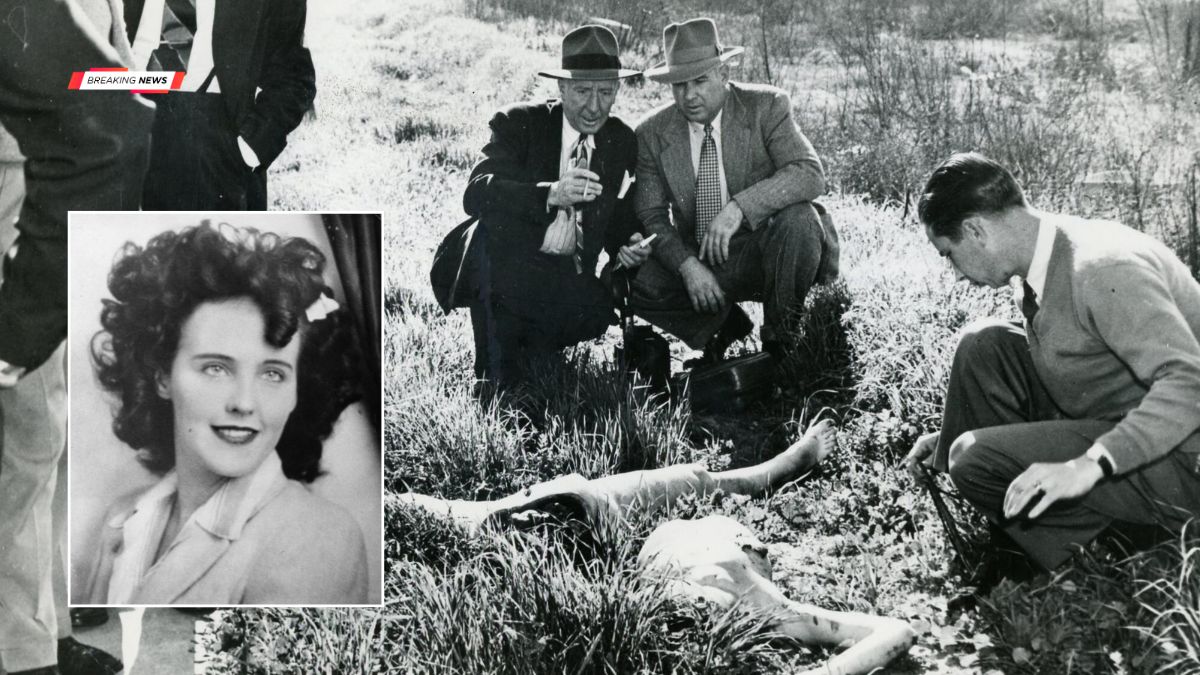
Elizabeth Short, 22, was found dead on January 15, 1947, in the Leimert Park area of Los Angeles.
Her body had been severed at the waist, and investigators noted injuries commonly described as a “Glasgow smile,” with cuts extending from the corners of her mouth toward her ears.
Authorities found no blood at the location where her body was discovered, leading investigators to conclude she was likely killed elsewhere before her remains were left at the scene.
Despite decades of investigation, no one has ever been convicted in connection with the case.
Claim
Filmmaker Jeff Thomas and producer Kimberly Lupini of Talestorm Productions say they believe they have identified the killer, the location where the murder occurred, and the weapon used.
“We believe we know who the killer is,” Thomas told People. “We believe we know where the murder was committed. We believe we know what the murder weapon was.”
Their investigation will be featured in the upcoming docuseries “Deconstructing Dahlia.”
Thomas said the project focuses on reexamining evidence rather than simply retelling the well-known murder case.
Discovery
According to the filmmakers, the breakthrough came after receiving information from the son of one of the detectives who originally investigated Short’s death.
Thomas assembled a team that included forensic specialists and Leslie Thompson, a senior criminalist with the Los Angeles County Sheriff’s Department.
The group examined a Los Angeles motel that has operated since the 1940s.
During the investigation, the team said they discovered what they described as evidence of a major bloodshed event hidden behind layers of drywall after removing a loose section of baseboard.
The reported findings have not been independently confirmed through official law enforcement statements.
Records
Thomas also said the production team obtained thousands of pages of investigative records that had not previously been made public.
According to Thomas, the documents helped identify locations connected to both Elizabeth Short and the person the filmmakers believe committed the crime.
He said eyewitness reports describing blood at specific locations matched areas where the team later identified blood evidence inside the motel room.
These conclusions represent the filmmakers’ interpretation of the available evidence and have not been validated through a criminal investigation.
Request
The filmmakers say they are seeking access to Elizabeth Short’s complete, unredacted autopsy report from the Los Angeles Police Department.
To support that effort, they have launched a public petition asking the LAPD to release the remaining records related to the case.
They argue that additional official documents could help determine whether their findings are consistent with the original forensic evidence.
Series
Talestorm Productions plans to present its investigation in the docuseries “Deconstructing Dahlia.”
As of now, no release date has been announced.
Although the filmmakers believe they have solved the mystery surrounding Elizabeth Short’s death, law enforcement has not announced any new conclusions. The Black Dahlia case remains officially unsolved, and the claims presented in the documentary have not been independently verified.
FAQs
Who was the Black Dahlia?
Elizabeth Short, a 22-year-old murder victim.
When was Elizabeth Short killed?
Her body was found on January 15, 1947.
Who made the new claims?
Filmmakers Jeff Thomas and Kimberly Lupini.
Has the case officially been solved?
No. It remains an unsolved case.
What is Deconstructing Dahlia?
An upcoming documentary investigation series.