
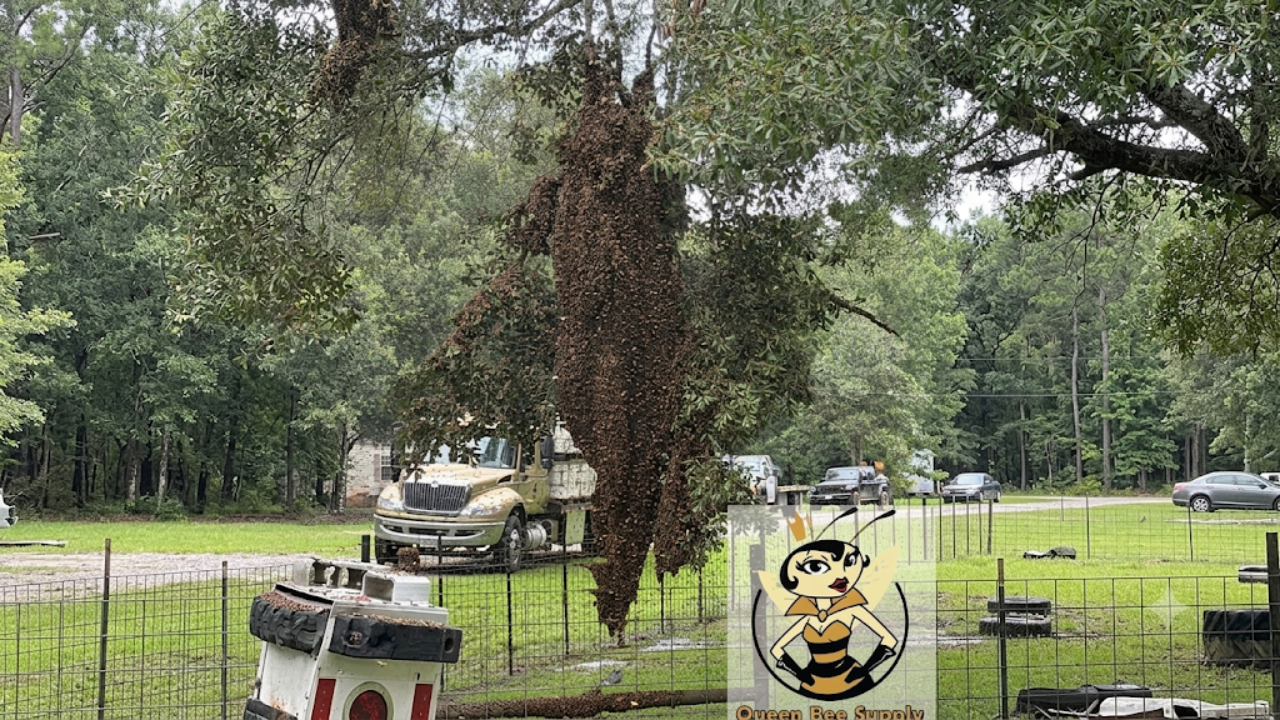
WHATCOM COUNTY, Washington — Authorities and emergency responders faced an unusual challenge after a semitruck carrying hundreds of beehives overturned, releasing millions of honeybees into the surrounding area. The crash prompted road closures, public safety warnings, and a large-scale recovery effort involving local officials, transportation crews, and experienced beekeepers.
The incident quickly drew national attention because of the sheer number of bees involved and the complexity of the response. Officials worked to secure the crash scene while specialists attempted to recover the escaped bees and restore damaged hives. Authorities also urged residents and motorists to avoid the area until conditions became safe.
Semitruck Carrying Beehives Overturns
The incident occurred when a semitruck transporting commercial beehives overturned along a roadway in Whatcom County. According to authorities, the crash caused numerous hive boxes to break apart and scatter across the scene.
As the damaged hives opened, millions of honeybees were released into the air. The sudden escape created a unique emergency situation that required assistance beyond the normal response provided during vehicle accidents.
Massive Swarm Emerges After Crash
Witnesses reported seeing large numbers of bees flying around the crash site shortly after the truck overturned. The insects quickly spread throughout the immediate area as they attempted to regroup and locate their queens.
Experts explained that bees naturally seek to reunite with their colonies following a disruption. Because many hives were damaged during the crash, large swarms formed while the insects searched for familiar colony structures.
Authorities Restrict Access to Area
To protect public safety, officials restricted access around the crash site and advised residents to stay away from the affected area. Drivers were encouraged to use alternate routes while emergency personnel worked to secure the scene.
Authorities noted that large concentrations of disturbed bees can become dangerous, particularly for individuals with allergies to bee stings. Keeping the public away from the site reduced the risk of injuries and allowed recovery teams to operate more effectively.
Beekeepers Join Recovery Effort
One of the most important parts of the response involved experienced beekeepers who traveled to the scene to assist with hive recovery operations. Their expertise proved essential in managing the displaced colonies and helping the bees re-establish their hives.
Beekeepers worked alongside emergency responders to identify queen bees, repair hive structures, and encourage the insects to return to functioning colonies. The process required patience and specialized knowledge because honeybee behavior is highly dependent on the presence of queens.
Why Honeybees Are Important
Honeybees play a critical role in agriculture and food production through pollination. Farmers rely on managed bee colonies to help pollinate crops ranging from fruits and vegetables to nuts and flowering plants.
The loss of large numbers of bees can affect agricultural operations and local ecosystems. Because of their economic and environmental importance, officials and beekeepers made significant efforts to save as many colonies as possible following the crash.
Recovery Operations Continue for Hours
The recovery effort continued long after the initial crash response. Crews carefully assessed damaged hive boxes while beekeepers monitored bee activity and colony behavior.
Experts explained that recovering escaped bees is not a quick process. Colonies require time to reorganize and relocate around queen bees. In many cases, beekeepers must wait for natural bee behavior to assist in rebuilding functioning hives.
Public Safety Concerns During the Incident
Authorities emphasized the importance of avoiding direct contact with large swarms. While honeybees are generally not aggressive unless threatened, disturbed colonies can become defensive under stressful conditions.
Emergency officials warned individuals not to approach the scene or attempt to handle bees themselves. Those with severe allergies faced a greater risk of medical complications if stung, making public safety precautions especially important.
Transportation of Commercial Beehives
The overturned truck was part of a larger agricultural transportation system that moves bees across the country. Commercial beekeepers frequently transport hives to different regions where pollination services are needed.
Millions of honeybees are relocated annually to support agricultural production. These journeys are carefully planned to protect the health of the colonies, though transportation accidents can create significant challenges when they occur.
Environmental and Agricultural Impact
Experts noted that the long-term impact of the crash would depend on how many colonies survived and how quickly damaged hives could be restored. The goal of recovery teams was to preserve as many bees as possible and minimize losses.
Agricultural specialists highlighted the importance of maintaining healthy pollinator populations. Successful recovery efforts help protect both local ecosystems and farming operations that rely heavily on bee pollination services.
Community Response to the Incident
Residents expressed surprise at the unusual nature of the accident, while many followed updates from local authorities regarding road closures and safety advisories. The sight of millions of bees surrounding a crash site created a scene rarely encountered by emergency responders.
Community members also praised the work of beekeepers who volunteered their expertise to help save the colonies. Their efforts were viewed as critical to reducing environmental and agricultural losses.
Investigation Into the Crash
Authorities continue investigating the circumstances that led to the semitruck overturning. Officials will review roadway conditions, vehicle operation, and other factors to determine the cause of the accident.
The investigation is expected to focus primarily on transportation safety issues rather than the bees themselves. Findings may help prevent similar incidents involving agricultural shipments in the future.
Key Facts About the Incident
| Category | Details |
|---|---|
| Incident Type | Semitruck rollover |
| Location | Whatcom County, Washington |
| Cargo | Commercial beehives |
| Bees Released | Millions of honeybees |
| Response Agencies | Local authorities and emergency crews |
| Additional Support | Professional beekeepers |
| Public Safety Action | Area restrictions and warnings |
| Agricultural Impact | Potential hive and colony losses |
| Recovery Goal | Restore and save colonies |
| Investigation Status | Ongoing |
The overturning of a semitruck carrying beehives in Whatcom County created an extraordinary emergency response involving millions of escaped honeybees. The incident highlighted both the challenges associated with transporting commercial pollinator colonies and the critical role that beekeepers play in protecting these valuable insects.
As authorities continue investigating the cause of the crash, recovery teams remain focused on restoring damaged hives and preserving as many colonies as possible. The event serves as a reminder of the importance of honeybees to agriculture, food production, and environmental health. Thanks to the coordinated efforts of emergency responders and beekeeping specialists, many of the displaced colonies may have an opportunity to recover despite the dramatic circumstances surrounding the accident.
FAQ’s:
Where did the incident occur?
The semitruck overturned in Whatcom County, Washington.
How many bees escaped?
Authorities reported that millions of honeybees were released after the crash.
Why were beekeepers called to the scene?

Beekeepers were needed to help recover damaged hives and guide bees back to functioning colonies.
Were roads closed after the crash?
Yes. Authorities restricted access to the area to protect public safety and support recovery efforts.
Why are the bees important?
Honeybees are essential pollinators that support agriculture, food production, and ecosystem health.















Ariana Grande Plans Break From Public Spotlight After Tour Amid Ongoing Scrutiny