
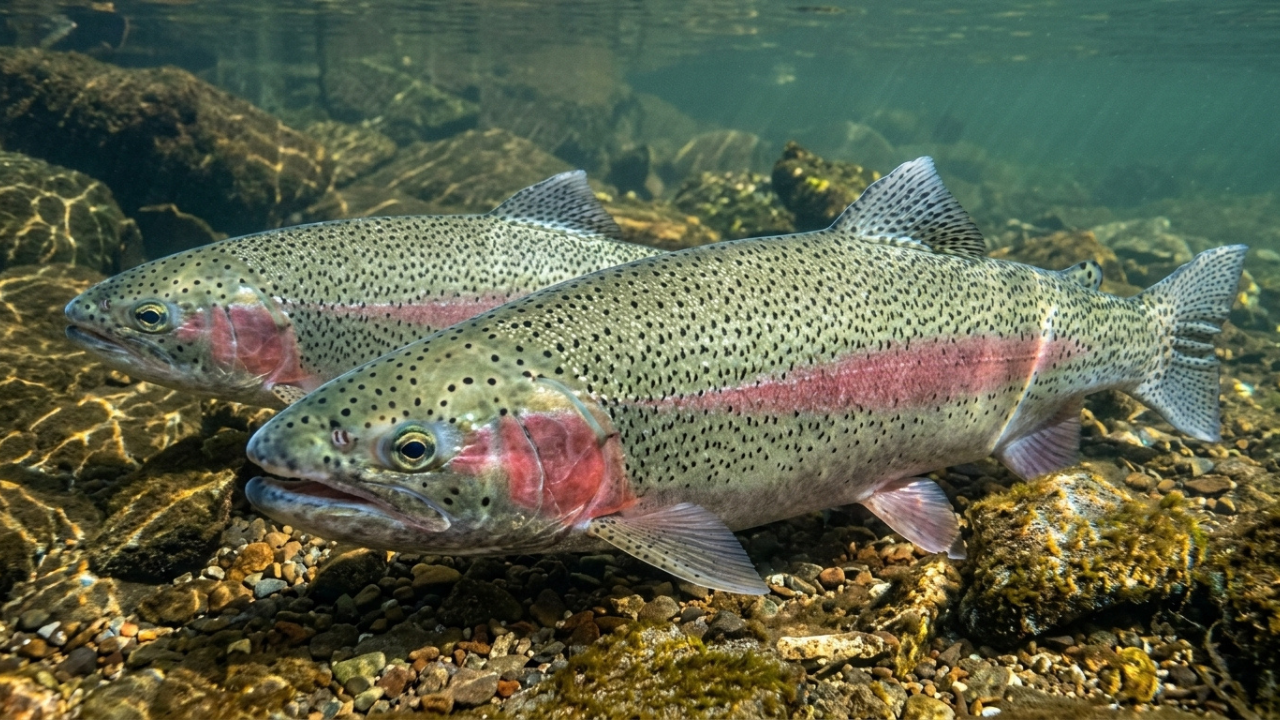
A remarkable conservation story has emerged from the Santa Monica Mountains, where the last known steelhead trout in a local stream not only survived the devastating Palisades fire but also went on to reproduce, offering rare hope for a species struggling to survive in Southern California’s changing environment. The fish, part of an endangered population of Southern California steelhead, endured extreme environmental stress caused by wildfire impacts, habitat disruption, and fluctuating stream conditions.
Researchers monitoring the stream were astonished to confirm that the surviving trout not only persisted through the ecological aftermath of the fire but also successfully spawned, producing offspring in the same habitat. The discovery is being described as a significant ecological milestone, highlighting both the resilience of the species and the importance of ongoing habitat restoration efforts in fire-affected landscapes.
Survival Against Post-Fire Environmental Collapse
The steelhead trout’s survival is particularly notable because wildfires in the Santa Monica Mountains severely alter stream ecosystems. After the Palisades fire, vegetation loss increased erosion, ash runoff entered waterways, and water temperatures fluctuated more dramatically, all of which typically create hostile conditions for sensitive aquatic species. These changes often reduce oxygen levels and degrade spawning habitats that steelhead rely on for reproduction.
Despite these challenges, the last known adult trout managed to persist in a limited stretch of stream habitat that remained viable after the fire. Scientists believe that small pockets of cooler water, combined with natural refuges within the streambed, may have helped the fish survive during the most critical post-fire period. The survival alone was considered extraordinary given the species’ already fragile status in the region.
Unexpected Reproduction and Signs of Recovery
In an even more surprising development, researchers later confirmed that the surviving steelhead trout had successfully reproduced. The presence of juvenile trout in the same stream indicated that spawning had occurred under conditions previously thought to be too unstable for successful reproduction after such a severe wildfire event.
This reproductive success is being viewed as a critical indicator of ecosystem resilience. Steelhead trout require specific environmental conditions to spawn, including clean gravel beds, sufficient water flow, and stable oxygen levels. The fact that these conditions were met, even temporarily, suggests that parts of the stream ecosystem remained functional despite widespread fire damage.
Scientists monitoring the population have emphasized that while this is an encouraging sign, it does not yet indicate full recovery of the species in the region. Instead, it represents a rare and important moment of survival that could inform future conservation strategies.
Conservation Efforts and Habitat Challenges
The Santa Monica Mountains steelhead trout population has long been considered critically endangered, with only a few remaining individuals documented in recent years. Habitat fragmentation, urban development, drought conditions, and climate change have all contributed to the species’ decline. Wildfires add another layer of risk by rapidly altering stream environments and reducing long-term habitat stability.
Conservation teams have been actively working to restore stream habitats through erosion control, vegetation recovery projects, and water quality monitoring. The survival and reproduction of the last known trout underscore the importance of these efforts, while also highlighting how fragile remaining populations are. Experts stress that continued intervention is essential to ensure that juvenile trout can survive into adulthood and potentially rebuild a stable population.
Ecological Summary Table
| Category | Details |
|---|---|
| Species | Southern California steelhead trout |
| Location | Santa Monica Mountains stream |
| Event Impact | Palisades fire and post-fire habitat damage |
| Key Finding | Last known adult survived wildfire aftermath |
| Major Development | Successful reproduction observed |
| Environmental Conditions | Altered stream flow, ash runoff, temperature shifts |
| Habitat Status | Fragmented but partially functional refuge |
| Conservation Status | Critically endangered population |
| Scientific Importance | Rare example of post-fire ecological resilience |
| Ongoing Efforts | Habitat restoration and population monitoring |
Role of Wildfires in Aquatic Ecosystem Change
Wildfires in Southern California are increasingly recognized as major disruptors of aquatic ecosystems, not just terrestrial landscapes. When fires burn through mountainous regions, they remove vegetation that stabilizes soil and regulates water flow into streams. This leads to increased sedimentation, sudden changes in water temperature, and chemical runoff that can severely impact fish populations.
For species like steelhead trout, which depend on cold, clean, and well-oxygenated water, these changes can be life-threatening. However, the survival of this individual trout suggests that some microhabitats may act as ecological refuges even in post-fire conditions. Scientists are now studying these refuges more closely to understand how they can be protected or replicated in restoration efforts.
Scientific and Conservation Significance
The discovery of both survival and reproduction in this isolated trout population has been described as scientifically significant because it challenges assumptions about how quickly sensitive species decline after major environmental disturbances. It also provides valuable data for conservationists working to protect endangered fish in fire-prone regions.
Researchers believe this case could help guide future restoration planning, particularly in identifying which stream features are most critical for survival during extreme events. It also highlights the importance of maintaining connectivity between habitats so that species have a better chance of recovering after localized disasters.
The survival and reproduction of the last known steelhead trout in the Santa Monica Mountains following the Palisades fire represents a rare and hopeful ecological event. Despite severe habitat disruption, the fish managed not only to endure but also to produce offspring, offering a glimpse of resilience in an endangered population that has been under long-term environmental pressure.
While scientists caution that the species remains at critical risk, this development provides valuable insight into how fragile ecosystems can persist under extreme stress. Continued conservation and habitat restoration efforts will be essential to ensure that this small but significant success can grow into a sustainable recovery.
FAQ’s:
Why is the steelhead trout story important?
It shows rare survival and reproduction of a critically endangered fish after a major wildfire event.
How did the trout survive the fire?
It likely survived in a small refuge area of the stream with suitable water conditions.
Did the fish really reproduce?

Yes, scientists confirmed the presence of juvenile trout in the stream.
Is the population now safe?
No, the species is still critically endangered and remains at high risk.
What threatens the trout’s survival?
Wildfires, habitat loss, drought, and climate change continue to threaten the population.

















Ariana Grande Plans Break From Public Spotlight After Tour Amid Ongoing Scrutiny