
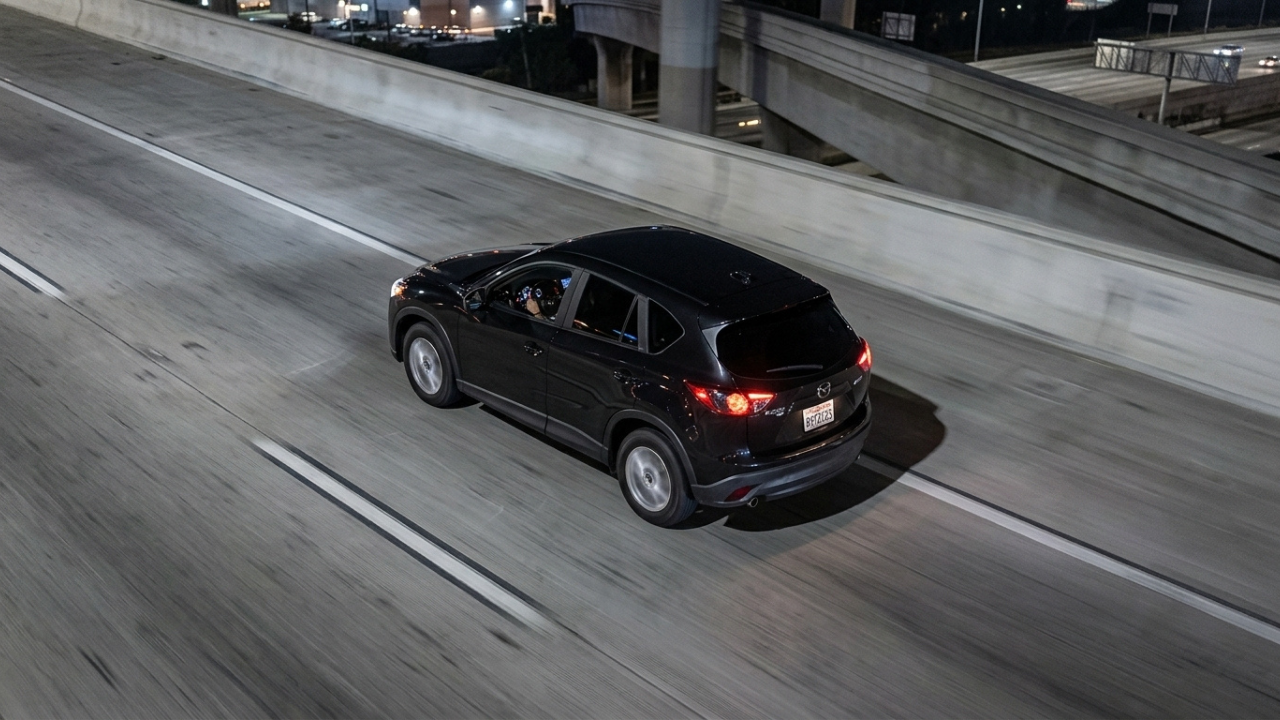
A police pursuit involving a driver suspected of driving under the influence came to an abrupt end after the Los Angeles Police Department decided to call off the chase due to public safety concerns. The incident unfolded on Wednesday night as officers followed a dark-colored SUV through several communities across Los Angeles County, including Long Beach, Compton, Lynwood, and South Los Angeles. The pursuit attracted significant attention as television news helicopters captured the chase from above while authorities monitored the suspect’s movements.
The decision to terminate the pursuit highlights the difficult balance law enforcement agencies must maintain between apprehending suspects and protecting the public. Although officers initially attempted to stop the driver on suspicion of impaired driving, the pursuit eventually reached a point where police determined that continuing the chase could create unnecessary risks for motorists, pedestrians, and officers. The incident remains under investigation as authorities review the circumstances surrounding the pursuit and the suspect’s actions.
Pursuit Begins and Moves Across Los Angeles County
The incident began when officers identified a driver believed to be operating a vehicle under the influence. As police attempted to initiate a traffic stop, the suspect allegedly failed to comply and continued driving, prompting officers to begin a pursuit. News footage showed multiple LAPD vehicles following the SUV as it traveled through several Southern California communities.
During the chase, the suspect navigated both major freeways and city streets. Authorities tracked the vehicle along the 91 Freeway, the 105 Freeway, and the 110 Freeway before the pursuit transitioned onto surface streets. The chase route carried the suspect through Long Beach, Compton, Lynwood, and portions of South Los Angeles, creating concerns about public safety in densely populated areas.
Law enforcement agencies routinely monitor factors such as traffic volume, road conditions, speed, and pedestrian activity during pursuits. As the chase continued through multiple jurisdictions and increasingly congested areas, officers evaluated whether the benefits of immediate apprehension outweighed the potential risks associated with continuing the pursuit.
LAPD Calls Off Chase Due to Safety Concerns
As the pursuit progressed, LAPD supervisors made the decision to terminate the chase. According to reports, the pursuit was officially called off because of safety concerns. Pursuit policies generally allow supervisors to end a chase when the danger posed to the public exceeds the need for immediate capture of the suspect.
The decision reflects standard law-enforcement practices designed to reduce the likelihood of collisions, injuries, or fatalities during vehicle pursuits. High-speed chases can create unpredictable situations, particularly when suspects travel through residential neighborhoods or heavily trafficked roadways. By ending the pursuit, officers sought to minimize the risk of harm while preserving the possibility of identifying and locating the suspect through other investigative means.
Authorities did not immediately release information regarding the suspect’s identity or whether additional enforcement actions were planned following the termination of the pursuit. Investigators often review surveillance footage, vehicle descriptions, and other evidence after a pursuit is discontinued.
Last Known Location and Ongoing Investigation
After the pursuit was terminated, the suspect vehicle continued traveling without active police pursuit. News helicopters monitoring the incident reported that the SUV was last observed near the intersection of San Pedro Street and 51st Street in South Los Angeles at approximately 9:15 p.m.
At the time the pursuit ended, authorities had not announced an arrest. However, law enforcement agencies frequently continue investigations after pursuits are called off, especially when officers have gathered identifying information about the vehicle or driver. Investigators may review traffic-camera footage, witness statements, and registration records to assist in locating the suspect at a later time.
Officials have not publicly disclosed whether the driver was eventually located or whether criminal charges are pending. Because the incident involved a suspected DUI offense, investigators may continue working to determine the circumstances that led to the pursuit and whether additional violations occurred during the chase.
Pursuit Overview Table
| Category | Details |
|---|---|
| Incident Type | Police pursuit involving suspected DUI driver |
| Lead Agency | Los Angeles Police Department (LAPD) |
| Date | June 10, 2026 |
| Vehicle | Dark-colored SUV |
| Initial Reason for Pursuit | Suspected driving under the influence |
| Areas Involved | Long Beach, Compton, Lynwood, South Los Angeles |
| Freeways Used | 91, 105, and 110 Freeways |
| Pursuit Outcome | Pursuit terminated |
| Reason for Cancellation | Public safety concerns |
| Last Known Location | San Pedro Street and 51st Street |
| Arrest Status | Not immediately announced |
Public Safety and Pursuit Policies
Police pursuits remain one of the most closely scrutinized aspects of law enforcement operations. Agencies across California have implemented policies intended to reduce risks associated with vehicle chases. Supervisors continually assess factors such as speed, traffic conditions, weather, and the seriousness of the suspected offense before deciding whether a pursuit should continue. In many cases, technological resources and investigative techniques provide alternatives to prolonged high-speed pursuits.
DUI-related incidents present unique challenges because impaired drivers may already pose a danger to the public. Officers must weigh the immediate threat posed by a suspected intoxicated driver against the additional risks that may arise from an active pursuit. These decisions often occur in real time and require rapid evaluation of changing conditions on the roadway.
The South Los Angeles incident serves as an example of how police agencies balance enforcement objectives with broader public safety considerations. While the suspect was not immediately apprehended, officials determined that ending the pursuit was the safest course of action under the circumstances.
Community Impact and Response
Residents in neighborhoods along the pursuit route witnessed a significant law-enforcement presence as the chase moved through multiple communities. Police pursuits often draw public attention due to their unpredictable nature and potential impact on traffic patterns. Helicopter coverage and live broadcasts further increased public awareness of the incident as it unfolded.
Community safety remains a central concern whenever pursuits occur in urban areas. The decision to terminate the chase likely prevented additional risks to drivers, pedestrians, and residents who may have been in the vicinity. Public safety advocates frequently support pursuit policies that prioritize reducing unnecessary dangers while still allowing law enforcement agencies to investigate and apprehend suspects through alternative methods.
As authorities continue reviewing the incident, officials may evaluate whether any policy or procedural lessons can be drawn from the pursuit. Such reviews are common after significant law-enforcement operations and help agencies refine their response strategies for future incidents.
The LAPD’s pursuit of a suspected DUI driver through Long Beach, Compton, Lynwood, and South Los Angeles ended when supervisors determined that continuing the chase posed unacceptable safety risks. The suspect vehicle traveled along multiple freeways and city streets before the pursuit was called off, with the SUV last seen near San Pedro Street and 51st Street.
While the suspect was not immediately taken into custody, the incident highlights the careful decisions law-enforcement agencies must make when balancing public safety against the need to apprehend fleeing suspects. Investigators continue to review the circumstances surrounding the pursuit, and authorities may pursue additional leads as they work to identify and locate the driver involved.
FAQ’s:
Why did LAPD begin the pursuit?
The pursuit began because officers suspected the driver of operating a vehicle under the influence.
Which areas were involved in the chase?
The pursuit traveled through Long Beach, Compton, Lynwood, and South Los Angeles.
What roads did the suspect use?

The SUV traveled on the 91, 105, and 110 freeways before moving onto surface streets.
Why was the pursuit called off?
LAPD supervisors terminated the chase because of public safety concerns.
Was the suspect arrested?
Authorities did not immediately announce an arrest following the termination of the pursuit.








Ariana Grande Plans Break From Public Spotlight After Tour Amid Ongoing Scrutiny